HeadPowder, a leading manufacturer based in Shandong, China, specializes in the design and production of advanced pneumatic conveying systems tailored for the efficient handling of coking coal and limestone powder. This article delves into the fundamental principles behind these systems, highlighting their operational mechanisms, key components, and practical applications in industrial settings.
Understanding Pneumatic Conveying Systems
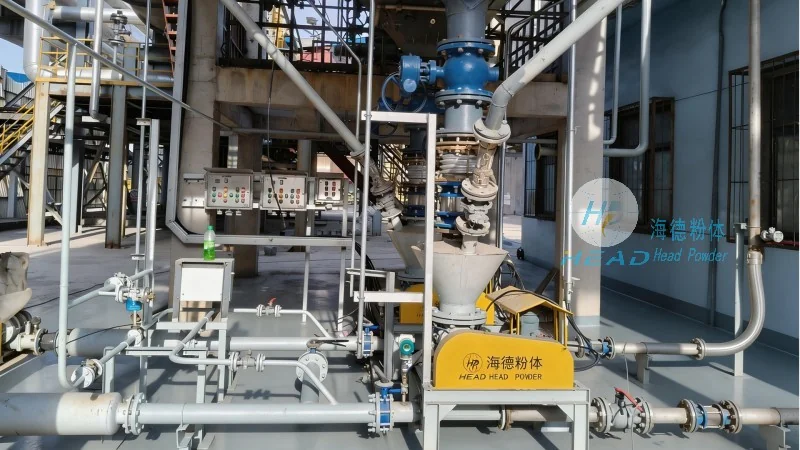
Pneumatic conveying equipment operates on the principle of transporting bulk materials through a pipeline using a gas stream, typically air or a mixture of air and other gases. In the context of coking coal and limestone powder, these systems are engineered to handle fine to medium-sized particles, ensuring minimal degradation and efficient transport from source to destination. The core concept involves creating a pressure differential within the pipeline, which propels the material forward while maintaining a stable flow rate.
Key Components of the Pneumatic Conveying Equipment
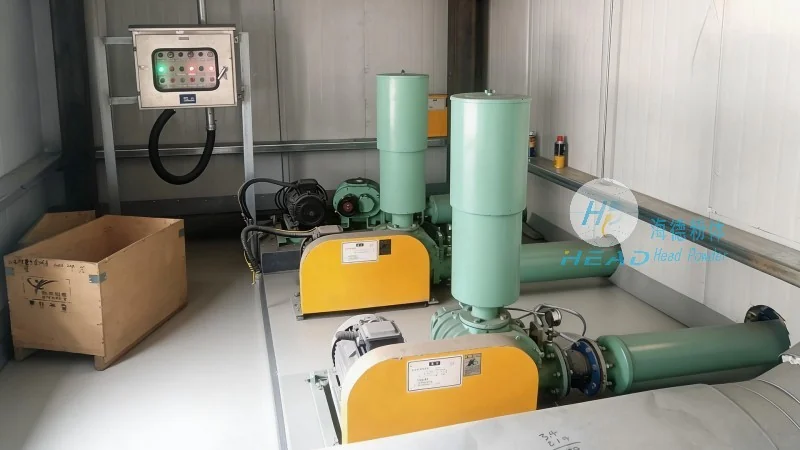
The effectiveness of a pneumatic conveying system for coking coal and limestone powder relies on several critical components that work in tandem. These include the material feed hopper, which stores and feeds the powder into the system; the air compressor or blower, responsible for generating the necessary airflow; the conveying pipeline, which forms the main transport path; and the discharge hopper or receiver, where the material is collected at the end of the process. Additionally, components such as rotary valves, filters, and pressure vessels may be integrated to enhance system performance and ensure material quality.
Operational Principles and Flow Mechanisms
The operation of the pneumatic conveying equipment for coking coal and limestone powder is governed by specific flow mechanisms, including dilute phase and dense phase conveying. Dilute phase systems use low pressure and high airflow to transport materials in a suspended state, while dense phase systems employ higher pressure and lower airflow to move material in a more compacted form. For coking coal and limestone powder, the choice between these modes depends on factors such as particle size, moisture content, and the required distance of transport. The system’s design ensures that the material is uniformly suspended or compacted, preventing blockages and maintaining consistent flow rates.
Advantages of Using Pneumatic Conveying for Coking Coal and Limestone Powder
Implementing pneumatic conveying systems for coking coal and limestone powder offers numerous advantages over traditional mechanical conveying methods. These include reduced material handling time, improved safety by eliminating manual handling of powders, and enhanced product quality through minimized exposure to contaminants. The systems also allow for flexible layout configurations, enabling easy integration into existing industrial processes. Furthermore, pneumatic conveying can handle materials with varying properties, such as different particle sizes or moisture levels, making it a versatile solution for diverse industrial applications.
Applications in Industrial Settings
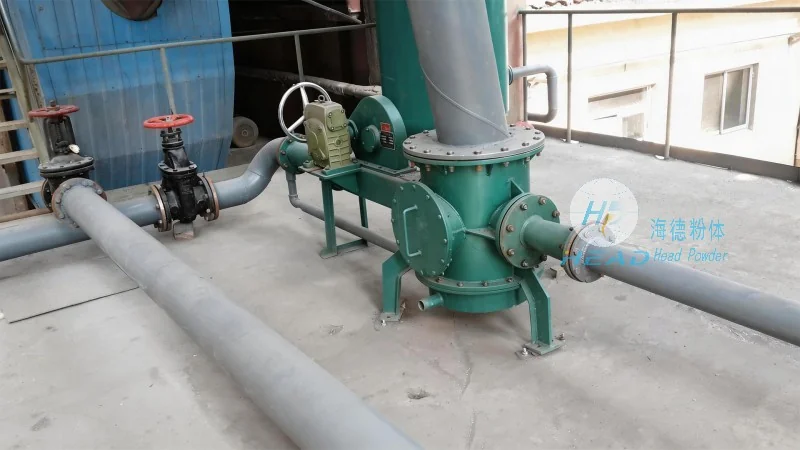
The pneumatic conveying equipment developed by Shandong HeadPowder Engineering Co., Ltd. is widely utilized in various industrial sectors, including steel production, cement manufacturing, and chemical processing. In steel plants, these systems efficiently transport coking coal to furnaces, ensuring consistent fuel supply and optimal combustion. In cement factories, limestone powder is conveyed to grinding mills, facilitating the production of high-quality cement. The equipment’s adaptability also makes it suitable for other industries where fine powders need to be transported over short to medium distances, such as in pharmaceutical and food processing applications.
Conclusion and Company Overview
Shandong HeadPowder Engineering Co., Ltd., based in Shandong, China, is committed to providing innovative and reliable pneumatic conveying solutions for coking coal and limestone powder. By leveraging advanced engineering principles and robust manufacturing processes, the company ensures that its equipment meets the highest standards of efficiency, durability, and safety. The principles and components discussed in this article underscore the importance of specialized equipment in optimizing material handling processes, contributing to improved productivity and operational excellence in industrial operations.




