HeadPowder Engineering, a leading provider in the field, specializes in the design and manufacturing of pneumatic conveying systems tailored for polyethylene pellets. The company, based in Shandong, China, leverages advanced engineering principles to deliver efficient and reliable solutions for material handling in various industrial applications. This article delves into the fundamental principles behind the operation of such equipment, focusing on the technical aspects that ensure optimal performance and durability.
Core Components and Their Functions
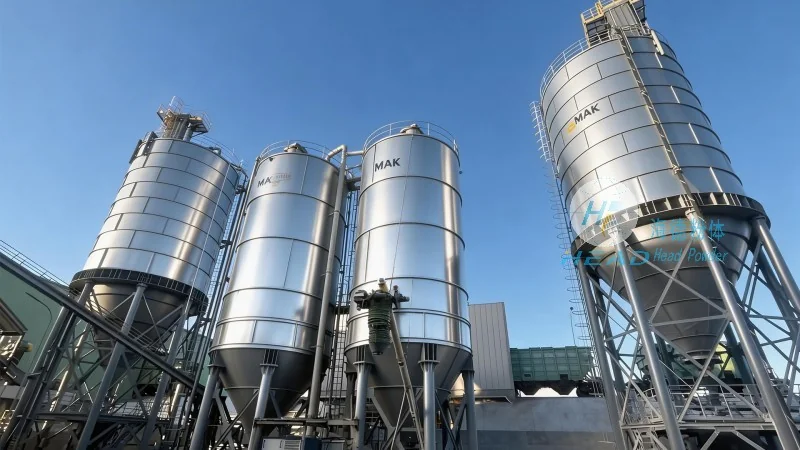
The pneumatic conveying system for polyethylene pellets typically consists of several key components, each playing a crucial role in the overall operation. The primary elements include the hopper or feeder, which holds the polyethylene pellets and regulates the flow rate; the air compressor or blower, responsible for generating the necessary air pressure to move the material; the conveying line, which transports the pellets through a pipeline; and the receiver or discharge unit, where the material is collected. Additionally, accessories such as filters, silencers, and check valves may be integrated to enhance system performance and safety.
Working Principle of Pneumatic Conveying
The fundamental principle of pneumatic conveying involves the use of compressed air to transport solid materials like polyethylene pellets. In a typical system, the polyethylene pellets are fed into the conveying line from the hopper. As the air compressor supplies high-pressure air, it creates a flow that entrains the pellets, forming a dense phase or dilute phase flow depending on the system design. The dense phase conveying, also known as plug flow, involves a higher air-to-material ratio, resulting in a more stable and efficient transport of the pellets with reduced particle degradation. Dilute phase conveying, on the other hand, uses a lower air-to-material ratio, suitable for longer distances but with potential for increased particle attrition. The choice between these modes depends on factors such as material properties, system length, and operational requirements.
Advantages of Pneumatic Conveying for Polyethylene Pellets
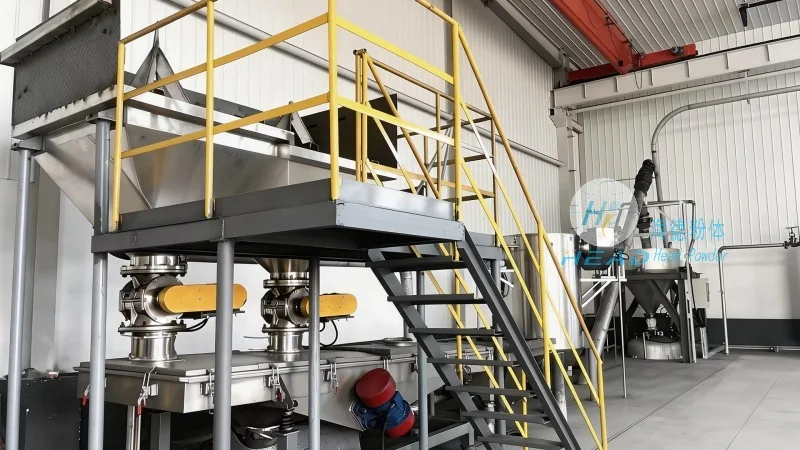
Implementing a pneumatic conveying system for polyethylene pellets offers several advantages over traditional mechanical conveying methods. Firstly, it eliminates the need for mechanical components like belts, chains, or screws, reducing maintenance costs and minimizing the risk of material contamination. The system is also highly flexible, allowing for changes in material flow direction and routing without significant modifications. Furthermore, pneumatic conveying can handle a wide range of particle sizes and shapes, making it suitable for various polyethylene pellet applications. The enclosed pipeline design prevents dust emissions, contributing to a cleaner and safer working environment. Additionally, the system can operate at different pressures and flow rates, providing adaptability to varying production demands.
Design Considerations and Material Compatibility
When designing a pneumatic conveying system for polyethylene pellets, several factors must be considered to ensure optimal performance and longevity. Material compatibility is a critical aspect, as the components must resist the chemical and physical properties of polyethylene. The hopper and feeder must be constructed from materials that prevent degradation or adhesion of the pellets, such as stainless steel or specialized polymers. The air compressor and blower must be selected based on the required air volume and pressure, ensuring they can handle the specific characteristics of polyethylene pellets without excessive energy consumption. The conveying line diameter and length are also crucial, as they directly impact the air-to-material ratio and overall system efficiency. Proper sizing and layout of the pipeline are essential to minimize pressure losses and prevent blockages, which can lead to system downtime.
Applications and Industrial Use Cases
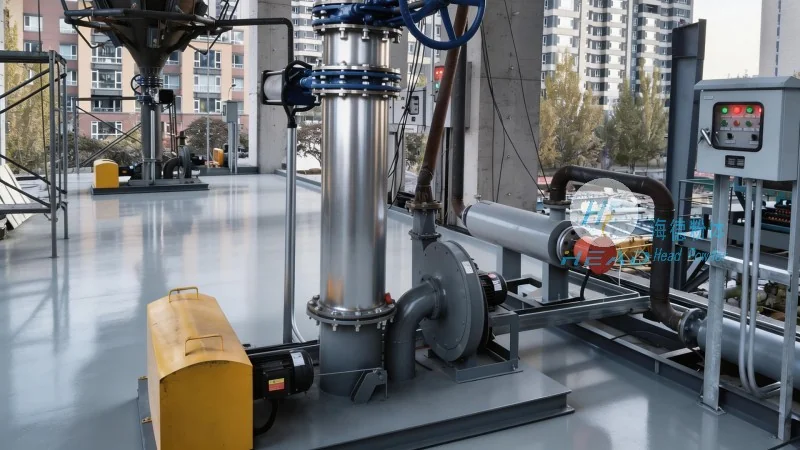
Polyethylene pellet pneumatic conveying systems are widely used in various industrial sectors, including plastics manufacturing, chemical processing, and food processing. In the plastics industry, these systems are employed in the production of polyethylene resins, where they facilitate the transport of pellets from storage to processing units, such as extruders or injection molding machines. The consistent and efficient delivery of pellets ensures smooth production processes and reduces downtime. In chemical processing, the system is used to transport polyethylene pellets in the manufacturing of additives or compounding agents, where precise material handling is essential. The food processing industry also benefits from these systems, particularly in the handling of food-grade polyethylene pellets used in packaging applications. The ability to maintain a clean and hygienic environment is crucial in food processing, and pneumatic conveying systems help achieve this by minimizing contamination risks.
Maintenance and Operational Tips
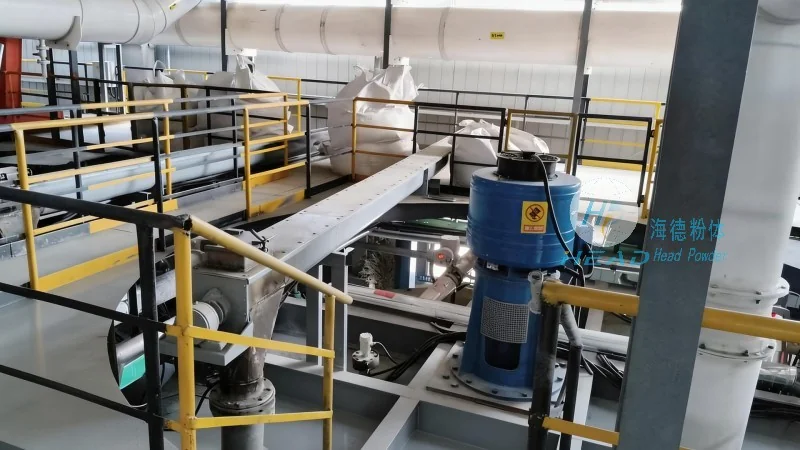
Proper maintenance is essential to ensure the long-term reliability and efficiency of a polyethylene pellet pneumatic conveying system. Regular inspection of the hopper and feeder for material buildup or blockages is necessary to prevent system failures. The air compressor and blower should be checked for proper operation, including pressure and flow rates, to maintain optimal performance. Filters and silencers should be cleaned or replaced as needed to prevent clogging and maintain air quality. Additionally, the conveying line should be inspected for any signs of wear or damage, such as leaks or corrosion, which can affect system efficiency. Implementing a preventive maintenance schedule, including routine checks and component replacements, can significantly extend the lifespan of the equipment and reduce the risk of unexpected breakdowns.
Conclusion
HeadPowder Engineering's expertise in designing and manufacturing polyethylene pellet pneumatic conveying equipment is evident in the robust and efficient systems they provide. By understanding the fundamental principles of pneumatic conveying and considering key design factors, these systems offer significant advantages over traditional material handling methods. The enclosed pipeline design, flexibility, and reduced contamination risks make them ideal for various industrial applications. With proper maintenance and operational practices, these systems can deliver reliable performance, contributing to increased productivity and cost savings in industrial operations. As a company based in Shandong, China, HeadPowder Engineering continues to innovate and provide tailored solutions to meet the evolving needs of the polyethylene pellet industry.




