Food pneumatic conveying is a critical technology used in the food processing industry to transport bulk materials such as powders, granules, and other food ingredients. This method involves using air or other gases to move materials through a pipeline system, offering advantages like hygienic operation, reduced contamination risk, and efficient material handling. For food manufacturers, selecting the right pneumatic conveying system is essential to ensure product quality, safety, and operational efficiency.
The Core Components of a Food Pneumatic Conveying System
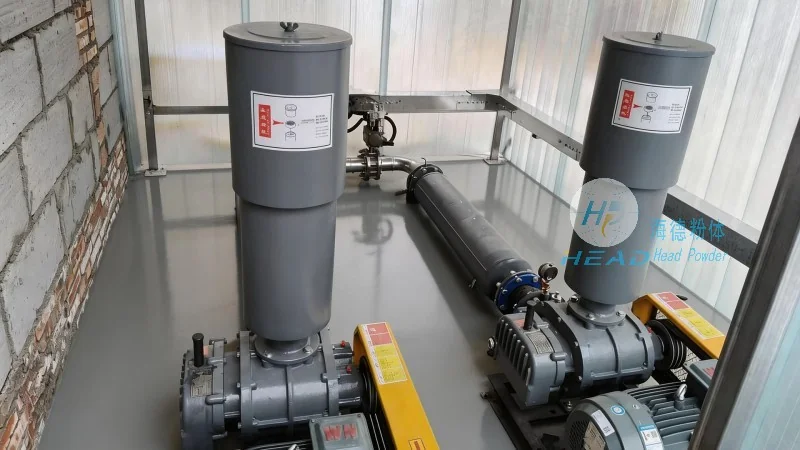
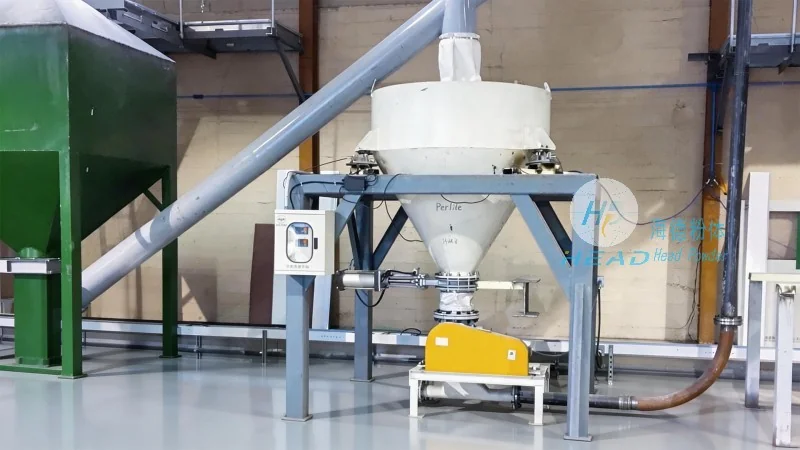
A typical food pneumatic conveying system consists of several key components that work together to transport materials. The main parts include the material feed hopper, which holds the bulk material; the air source, such as a blower or compressor, that generates the airflow; the conveying line, which is the pipeline through which the material and air travel; and the discharge device, which delivers the material to its final destination. Additionally, a filter system is often included to capture any fine particles and prevent them from being released into the environment, ensuring compliance with food safety regulations.
How Food Pneumatic Conveying Works: The Basic Principle
The operation of a food pneumatic conveying system relies on the principle of air movement. In a positive pressure system, the air source pushes air and material through the pipeline, while in a negative pressure system, the air is drawn from the pipeline, creating a vacuum that pulls the material. The choice between these two systems depends on factors like material characteristics, system layout, and the need for dust control. For food applications, positive pressure systems are often preferred because they are easier to clean and maintain, which is crucial for maintaining hygiene standards.
Design Principles for Food Pneumatic Conveying Systems
Designing an effective food pneumatic conveying system requires careful consideration of several factors to ensure optimal performance and compliance with industry standards. The first step is to analyze the material properties, including particle size, density, moisture content, and flowability. These characteristics determine the type of conveying system (e.g., dilute or dense phase) and the required air velocity and pressure. For example, materials with high moisture content or fine particles may require a dense phase system to prevent segregation and ensure consistent flow.
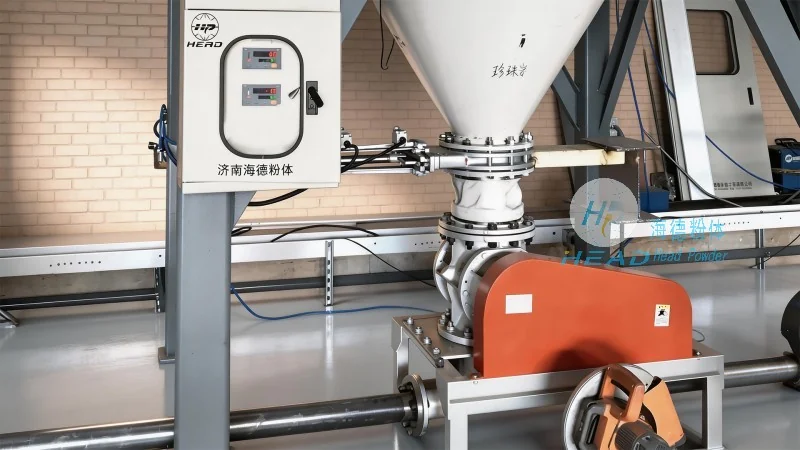
Another critical design consideration is the system layout and pipeline configuration. The pipeline must be designed to minimize pressure drops and ensure smooth material flow. This includes selecting appropriate pipe diameters, elbows, and other fittings that are easy to clean and maintain. In food processing, stainless steel is the preferred material for pipelines and components due to its corrosion resistance and ease of cleaning, which is essential for meeting food safety regulations.
Key Factors Influencing Food Pneumatic Conveying Design
Several key factors influence the design of a food pneumatic conveying system. Material characteristics, as mentioned earlier, are paramount. Additionally, the system's capacity and throughput requirements must be considered to ensure it can handle the production volume. The operating environment, including temperature and humidity, also plays a role in material handling, as some materials may be sensitive to environmental conditions. For instance, materials that are hygroscopic (absorb moisture from the air) may require a system with controlled humidity to prevent clumping or caking.
Energy efficiency is another important design factor. Modern food pneumatic conveying systems are designed to minimize energy consumption while maintaining performance. This includes using high-efficiency blowers and optimizing the system layout to reduce pressure losses. By reducing energy costs, manufacturers can improve their overall operational efficiency and reduce their environmental footprint.
Applications of Food Pneumatic Conveying in the Food Industry
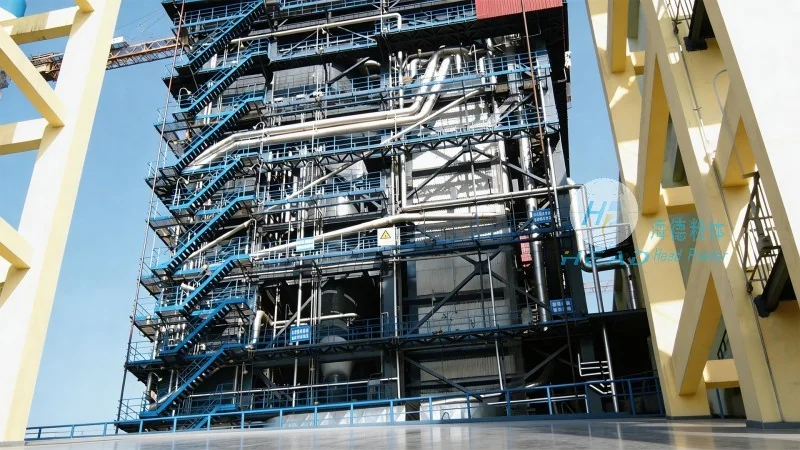
Food pneumatic conveying is widely used in various food processing applications. In the dairy industry, it is used to transport milk powder, cheese powders, and other dairy products. In the bakery industry, it is used to convey flour, sugar, and other dry ingredients. In the snack food industry, it is used to transport nuts, seeds, and other ingredients. The versatility of this technology makes it suitable for a wide range of food products, from powders to granules.
In each of these applications, the design of the pneumatic conveying system is tailored to the specific material and process requirements. For example, in the dairy industry, the system may be designed to handle high-moisture materials and ensure that the product remains fresh and uncontaminated. In the bakery industry, the system may be designed to handle fine powders and prevent segregation during transport.
Ensuring Compliance with Food Safety Regulations
When designing a food pneumatic conveying system, it is essential to ensure compliance with food safety regulations. This includes using materials that are food-grade and easy to clean, such as stainless steel. The system must also be designed to prevent cross-contamination between different products. This can be achieved through proper separation of pipelines and the use of dedicated equipment for each product line. Additionally, the system must be equipped with safety features, such as pressure relief valves and emergency shut-off switches, to prevent accidents and ensure operator safety.
Regular maintenance and cleaning are also critical to maintaining compliance with food safety regulations. The system must be cleaned and sanitized regularly to prevent the buildup of bacteria or other contaminants. This includes using appropriate cleaning agents and methods that are approved by regulatory agencies. By following these guidelines, manufacturers can ensure that their food pneumatic conveying systems are safe and effective for handling food products.
Conclusion: The Importance of Proper Design in Food Pneumatic Conveying
Food pneumatic conveying is a vital technology in the food processing industry, offering efficient and hygienic material handling solutions. However, the effectiveness of this technology depends on proper system design and maintenance. By considering factors such as material properties, system layout, and regulatory requirements, manufacturers can design a pneumatic conveying system that meets their specific needs and ensures product quality and safety.
Shandong HeadPowder Engineering Co., Ltd. specializes in providing high-quality food pneumatic conveying systems tailored to the needs of the food industry. With years of experience and a commitment to quality, the company offers customized solutions that meet the unique requirements of each client. Based in Shandong, China, HeadPowder Engineering is dedicated to helping food manufacturers improve their operational efficiency and maintain the highest standards of food safety.




