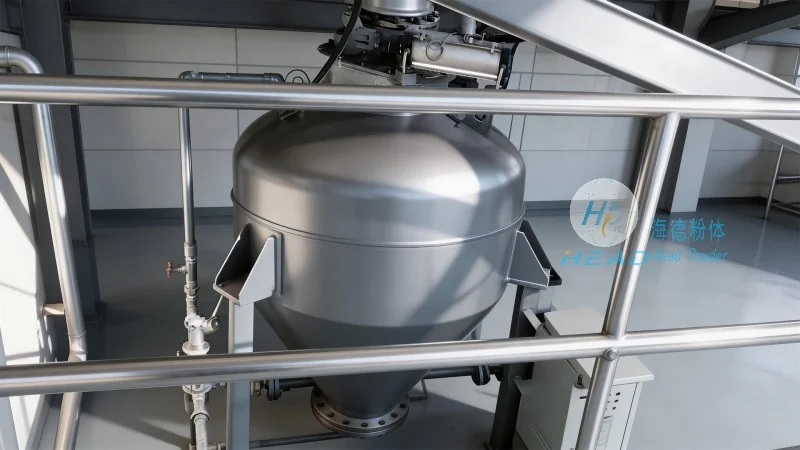
Clay pneumatic conveying is a specialized method used in material handling to transport clay and similar fine particulate materials through a pipeline using air pressure. This technology offers an efficient and often cleaner alternative to traditional mechanical conveying systems, particularly in industries dealing with clay-based products such as ceramics, pharmaceuticals, or construction materials. Understanding the fundamental principles behind its design is crucial for optimizing performance and ensuring reliable operation.
Introduction to Clay Pneumatic Conveying
Clay pneumatic conveying systems utilize the force of compressed air to move dry or slightly moist clay particles through a sealed pipeline. Unlike bulk material handling methods that rely on gravity or mechanical force, pneumatic conveying can transport materials over longer distances and with greater precision. The process typically involves a source of material, a feeding mechanism, a conveying line, and a discharge point, all integrated to maintain consistent flow and minimize material degradation.
Design Principles of Clay Pneumatic Conveying Systems
The design of a clay pneumatic conveying system is based on several key principles to ensure efficient and reliable operation. First, the system must maintain sufficient air velocity within the pipeline to prevent material settling or blockages. This is achieved by calculating the appropriate air volume and pressure based on the particle size, density, and moisture content of the clay. Second, the system incorporates components that minimize pressure drop and energy consumption, such as properly sized ducts and efficient air separation units. Third, the design considers the potential for material degradation, which can occur due to friction or excessive air velocity, and includes features like soft start mechanisms and gentle material handling components to mitigate these effects.
Key Components in a Clay Pneumatic Conveying System
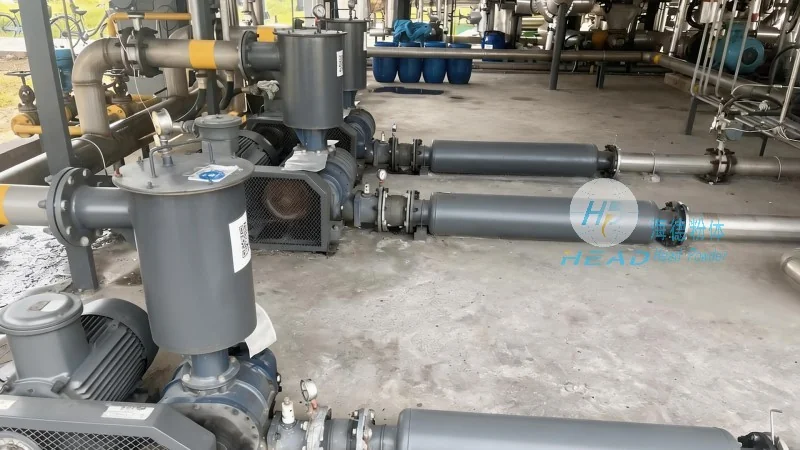
A typical clay pneumatic conveying system consists of several critical components that work in tandem to achieve effective material transport. The primary components include a material feeder, which ensures a consistent and controlled flow of clay into the system; a blower or compressor, which generates the necessary air pressure to move the material; a conveying pipeline, which may include bends, expansions, or reductions to accommodate changes in direction or flow rate; and a dust collector or air separation unit, which removes fine particles from the exhaust air to maintain air quality and prevent contamination. Additionally, the system may include a control panel to monitor and adjust parameters such as air pressure, flow rate, and material feed rate in real-time.
Applications and Benefits of Clay Pneumatic Conveying
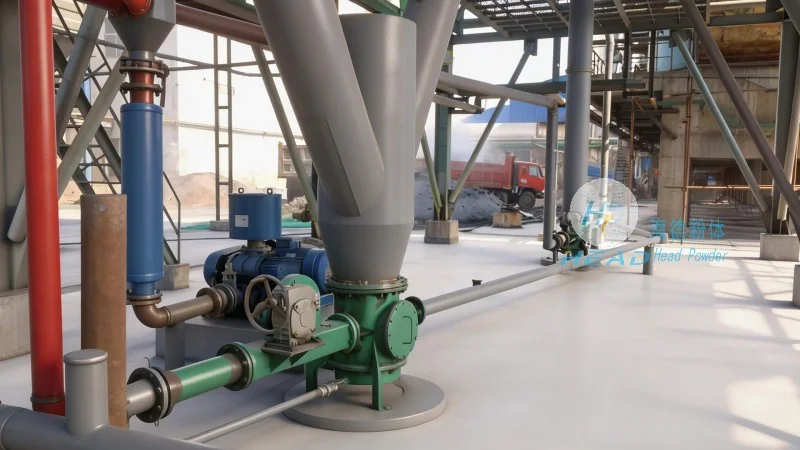
Clay pneumatic conveying is widely used in various industries due to its advantages over traditional conveying methods. In the ceramics industry, for example, it is used to transport raw clay from storage to processing facilities, ensuring a consistent and clean material supply. In pharmaceutical applications, the system helps maintain high standards of cleanliness and hygiene by minimizing dust exposure and contamination. The benefits of this technology include reduced labor costs, lower maintenance requirements compared to mechanical systems, and the ability to handle materials that are difficult to transport using other methods. Furthermore, the sealed pipeline design prevents environmental contamination and protects the material from external factors such as moisture or temperature changes.
Company Overview: Shandong HeadPowder Engineering Co., Ltd.
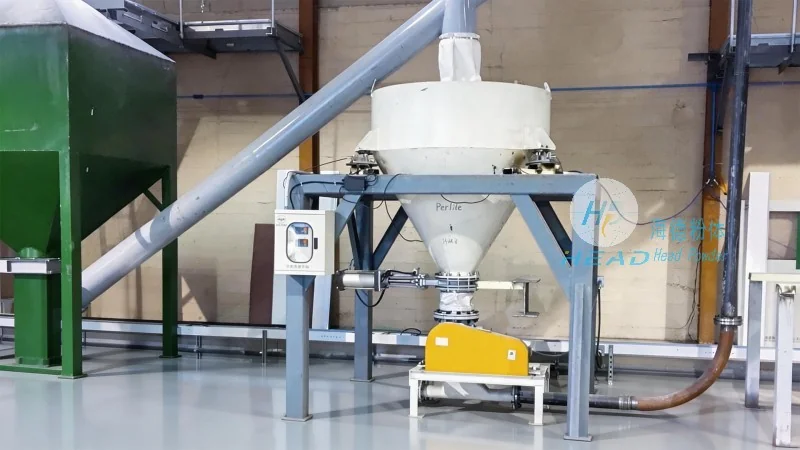
Shandong HeadPowder Engineering Co., Ltd., commonly known as HeadPowder, is a leading provider of specialized material handling solutions, including clay pneumatic conveying systems. With a strong focus on innovation and customer satisfaction, the company has established itself as a trusted partner in the industry. HeadPowder's expertise lies in designing and manufacturing customized conveying systems tailored to the specific needs of clients, ensuring optimal performance and reliability. The company's headquarters is located in Shandong, China, where it leverages advanced technology and skilled engineering to deliver high-quality products and services to its global clientele.
Conclusion
Clay pneumatic conveying represents a sophisticated and efficient solution for transporting fine particulate materials like clay. By understanding the core design principles and key components of such systems, industries can leverage this technology to enhance productivity, improve material quality, and reduce operational costs. With companies like Shandong HeadPowder Engineering Co., Ltd. offering specialized solutions, the adoption of clay pneumatic conveying continues to grow, providing a sustainable and effective approach to material handling in various sectors.




