HeadPowder, a leading engineering company based in Shandong, China, specializes in advanced material handling solutions. One of their core technologies focuses on the pneumatic conveying of polyethylene pellets, a critical process in the plastics industry. This article explores the fundamentals of polyethylene pellet pneumatic conveying and the key design principles that underpin this efficient material transport method.
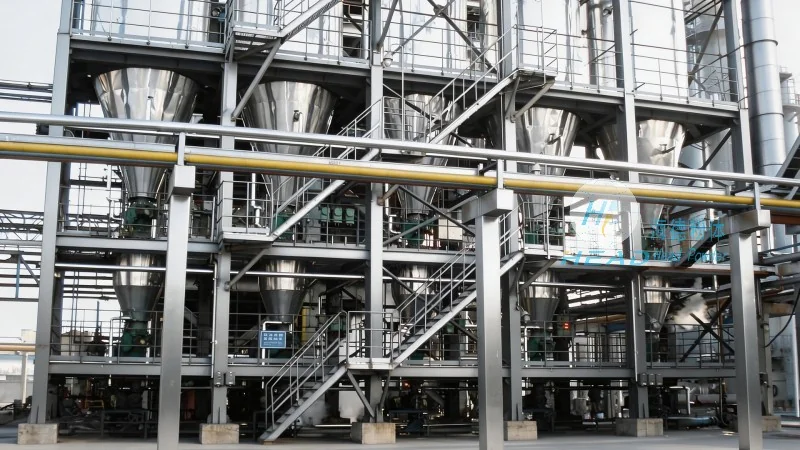
Understanding Polyethylene Pellet Pneumatic Conveying
Polyethylene pellets, commonly used in manufacturing various plastic products, require reliable and efficient transport systems to move them from storage to processing equipment. Pneumatic conveying offers a solution by utilizing air or gas to transport these lightweight pellets through a pipeline system. This method eliminates the need for mechanical components like belts or chains, reducing maintenance and increasing operational efficiency. The process involves generating a flow of air or gas within a pipeline, which then lifts and propels the polyethylene pellets from the source to the destination. This technology is particularly advantageous for polyethylene pellets due to their low density and the need for clean, dust-free handling.
Key Design Principles for Polyethylene Pellet Pneumatic Conveying Systems
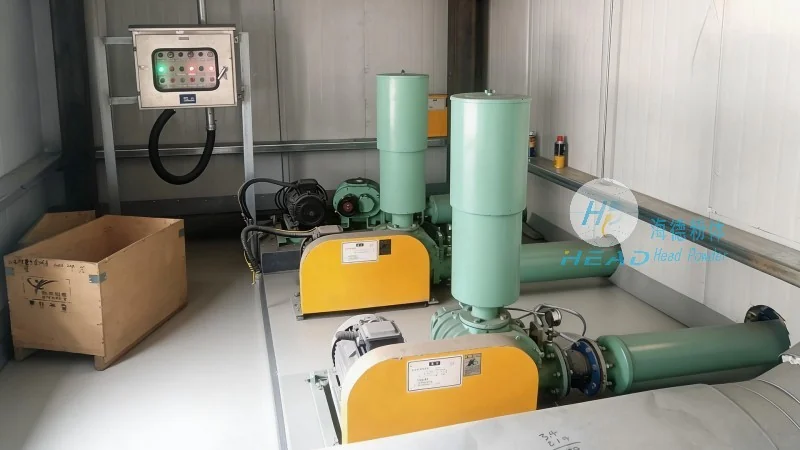
The design of a polyethylene pellet pneumatic conveying system involves several critical principles to ensure optimal performance, efficiency, and reliability. These principles are tailored to the specific characteristics of polyethylene pellets, such as their size, density, and flow properties. The first principle is the selection of the appropriate conveying velocity. The velocity must be high enough to overcome the gravitational forces acting on the pellets but low enough to prevent excessive wear on the pipeline and equipment. This balance is crucial for maintaining the integrity of the polyethylene pellets and minimizing energy consumption. Another key principle is the design of the air or gas flow system. The system must be capable of generating sufficient pressure or velocity to move the pellets through the pipeline without causing blockages or excessive pressure drops. This often involves the use of positive displacement blowers or rotary lobe pumps, which provide consistent and controllable airflow.
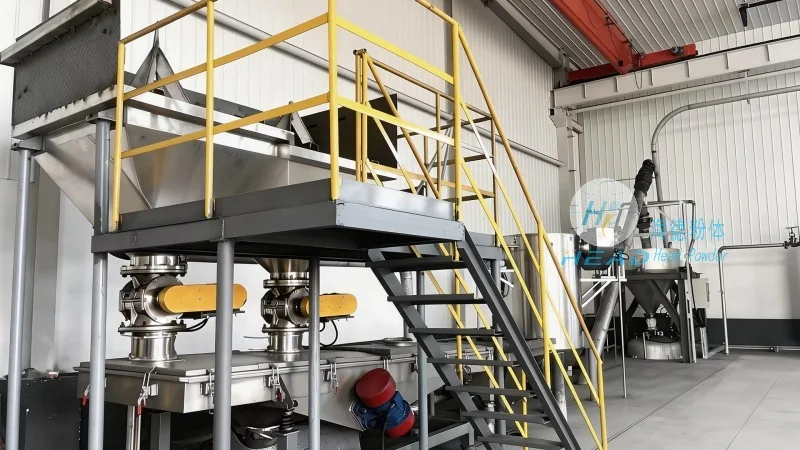
A third important design principle is the consideration of the pipeline layout and components. The pipeline must be designed to minimize bends, changes in direction, and restrictions that could impede the flow of pellets. Components such as elbows, tees, and filters are strategically placed to ensure smooth transport and prevent material buildup. The use of smooth, corrosion-resistant materials for the pipeline, such as stainless steel or high-density polyethylene, is essential to prevent wear and maintain the purity of the polyethylene pellets. Additionally, the system must include proper dust collection and filtration to ensure a clean and safe working environment, as polyethylene pellets can generate fine dust during transport.
Advantages of Polyethylene Pellet Pneumatic Conveying
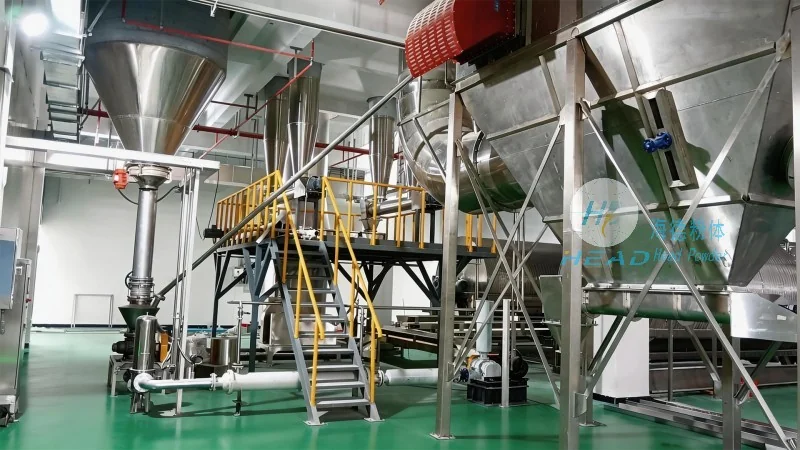
Pneumatic conveying of polyethylene pellets offers several advantages over traditional mechanical conveying methods. One of the primary benefits is the ability to handle polyethylene pellets in a dust-free environment, which is critical for maintaining product quality and preventing contamination. This method also reduces the risk of product degradation due to friction or exposure to external elements. Additionally, pneumatic conveying systems are more flexible in terms of layout, allowing for the integration of multiple processing units and the ability to reconfigure the system as production needs change. The system's compact design also saves space in manufacturing facilities, making it ideal for applications where floor space is limited. Furthermore, the reduced need for mechanical components results in lower maintenance costs and longer equipment life, contributing to overall operational efficiency.
Applications and Industries
Polyethylene pellet pneumatic conveying systems are widely used in various industries that rely on plastic manufacturing. These include the production of packaging materials, automotive parts, medical devices, and consumer goods. The technology is particularly beneficial in applications where the polyethylene pellets need to be transported over long distances or through complex layouts, such as in large-scale manufacturing plants. The ability to handle large volumes of polyethylene pellets efficiently and safely makes this technology a preferred choice for many companies in the plastics industry. HeadPowder's expertise in designing and implementing these systems ensures that clients receive tailored solutions that meet their specific production requirements and operational needs.
Conclusion
Polyethylene pellet pneumatic conveying is a sophisticated and efficient method for transporting polyethylene pellets, driven by key design principles that optimize performance and reliability. The technology offers significant advantages over traditional mechanical conveying, including dust-free handling, reduced maintenance, and flexible system layouts. As a leading provider in the field, HeadPowder, based in Shandong, China, continues to innovate and provide advanced material handling solutions that meet the evolving needs of the plastics industry. By understanding and applying the fundamental design principles, companies can enhance their production processes and improve overall operational efficiency.




