Denitration urea, also known as urea with denitrification, is a critical component in modern industrial processes, especially in environmental protection and chemical manufacturing. The denitration urea pneumatic conveying equipment is a specialized system engineered to handle and transport this material efficiently and safely. This equipment is essential for ensuring smooth operation in production lines, particularly in facilities that process or utilize denitration urea. The following sections will delve into the fundamental aspects of this equipment, including its design principles and operational mechanisms.
Key Components of the Pneumatic Conveying System
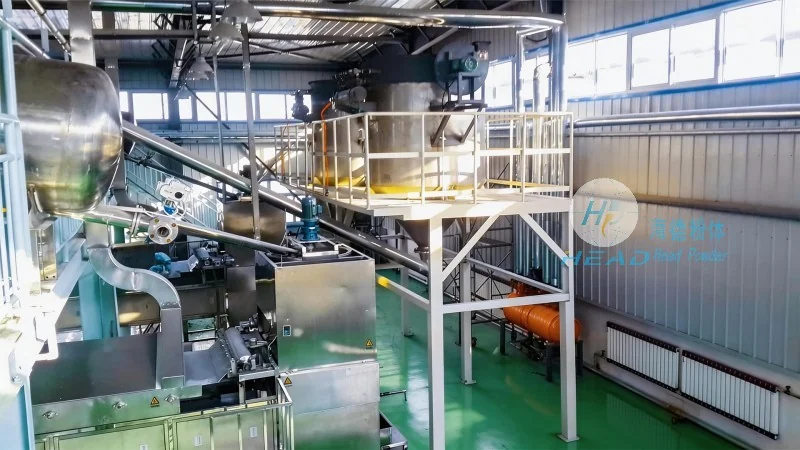
The denitration urea pneumatic conveying equipment typically comprises several core components that function together to achieve effective material transport. These components include the hopper for material storage, the conveying pipeline, the air compressor or blower that generates the airflow, and the control system for regulating operation. The hopper is designed to hold the denitration urea, ensuring consistent feed into the system. The conveying pipeline is usually constructed from materials resistant to corrosion and abrasion, such as stainless steel or specialized plastics, to withstand the chemical properties of the urea and prevent degradation over time. The air compressor or blower provides the necessary pressure and airflow to move the urea particles through the pipeline. The control system allows operators to adjust the conveying speed, monitor pressure levels, and ensure the safe and efficient operation of the entire system.
Design Principles and Operational Mechanisms
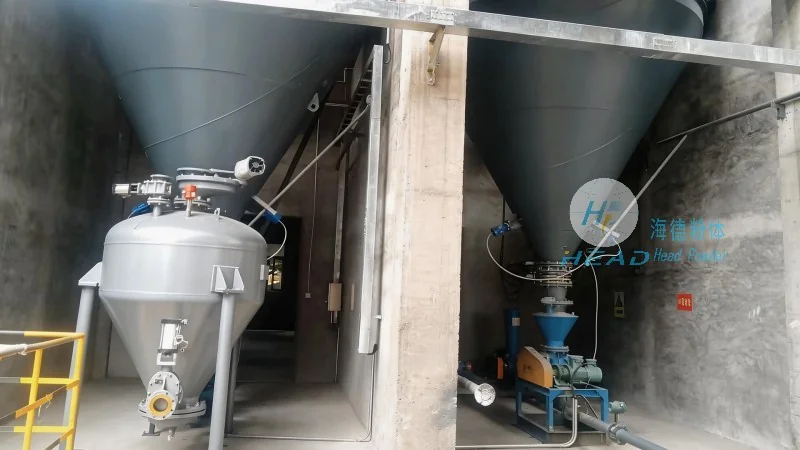
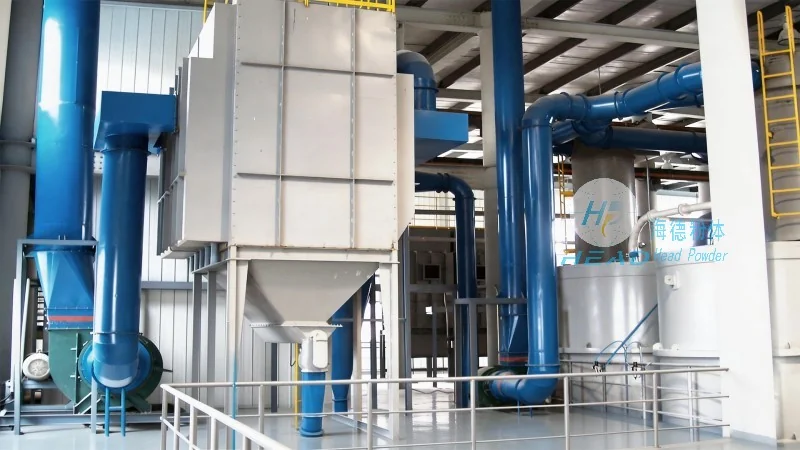
The design of the denitration urea pneumatic conveying equipment is based on several key principles to ensure optimal performance. The first principle is the use of positive pressure or negative pressure systems, depending on specific application requirements. Positive pressure systems utilize an air compressor to push the material through the pipeline, while negative pressure systems employ a vacuum to draw the material. For denitration urea, a positive pressure system is often preferred due to the material's characteristics and the need for consistent flow. The second principle involves selecting appropriate air velocities and pipeline diameters to prevent material deposition and ensure smooth transport. The air velocity must be high enough to keep the urea particles suspended in the air stream but not excessively high to cause wear on equipment components. The third principle is the incorporation of features like cyclones or separators to separate the urea from the air at the end of the conveying line, enabling material recovery and air recycling. These design elements are crucial for maintaining system efficiency and longevity.
Advantages and Applications of the Equipment
The denitration urea pneumatic conveying equipment offers several advantages over traditional conveying methods, such as belt conveyors or bucket elevators. One primary advantage is the ability to transport material over long distances without multiple transfer points, reducing spillage and contamination risks—critical for denitration urea due to its chemical properties. Another advantage is the compact design, saving space in industrial facilities. The equipment is also relatively easy to install and maintain, with fewer moving parts compared to other systems. Applications are widespread, including in denitration urea production for agriculture, urea-based fertilizer processing, and other chemical manufacturing. It is also used in environmental protection facilities to transport denitration urea for treatment or disposal, ensuring compliance with environmental regulations.
Company Information and Contact Details
Shandong HeadPowder Engineering Co., Ltd., a leading manufacturer of pneumatic conveying equipment, specializes in providing high-quality solutions for material handling across various industries. The company is headquartered in Shandong, China, with a strong reputation for innovative designs and reliable products. With years of experience, HeadPowder has developed a range of pneumatic conveying systems tailored to specific industry needs. The company's commitment to quality and customer satisfaction has established it as a trusted partner for many businesses globally. For more information about denitration urea pneumatic conveying equipment or other related products, please contact the company at its address in Shandong, China.




