Coagulant dry powder pneumatic conveying equipment is a specialized system designed to transport dry powder materials, particularly coagulants, through a pneumatic conveying process. This equipment is crucial in various industrial applications where efficient and reliable transportation of fine powders is essential. The system operates by using air as the conveying medium to move the powder from a source to a destination, ensuring minimal loss and contamination.
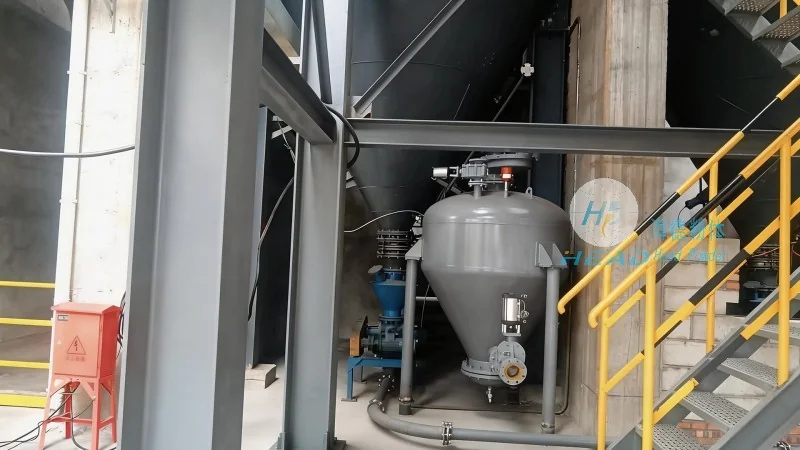
Key Components of the Pneumatic Conveying System
The core components of a coagulant dry powder pneumatic conveying system typically include a hopper for material storage, a feeder to control the flow of powder, a conveying line (often with a pipeline), a venturi or other air-moving device to create the necessary pressure differential, and a receiver for the delivered material. Each component plays a vital role in ensuring the smooth and efficient operation of the system. The hopper is designed to hold the coagulant powder, providing a consistent feed to the feeder. The feeder, such as a rotary valve or a screw feeder, regulates the flow rate, preventing overfeeding or underfeeding that could disrupt the conveying process. The conveying line, usually made of stainless steel or other corrosion-resistant materials, ensures the powder is transported without degradation or clogging. The venturi or air mover generates the airflow needed to pull the powder particles along the pipeline, while the receiver collects the material at the destination, often with a dust collection system to maintain air quality.
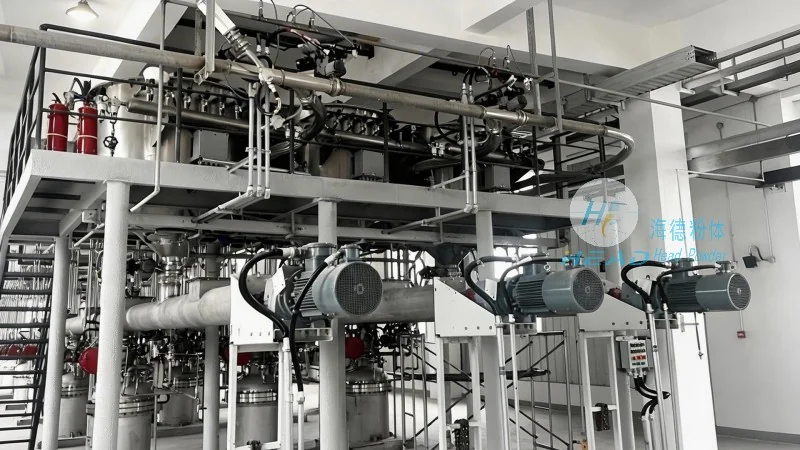
Design Principles and Operational Mechanisms
The design principles of coagulant dry powder pneumatic conveying equipment focus on several critical factors, including material properties, conveying distance, and system efficiency. The equipment must be tailored to the specific characteristics of the coagulant, such as its particle size, moisture content, and flowability. For example, if the coagulant is highly fine or has a tendency to agglomerate, the system may incorporate a pre-drying or de-agglomeration step to improve its transportability. The conveying distance is another key consideration; for short distances, a low-pressure system may suffice, while longer distances may require high-pressure or vacuum systems to maintain the flow. Additionally, the design aims to minimize energy consumption and maximize material throughput, making the system cost-effective and environmentally friendly. The operational mechanism involves creating a pressure difference between the source and destination. In a pressure system, air is pumped into the conveying line, pushing the powder forward. In a vacuum system, a vacuum is created at the receiver, pulling the powder from the source. The choice between pressure and vacuum depends on the application requirements and the distance between the source and destination.
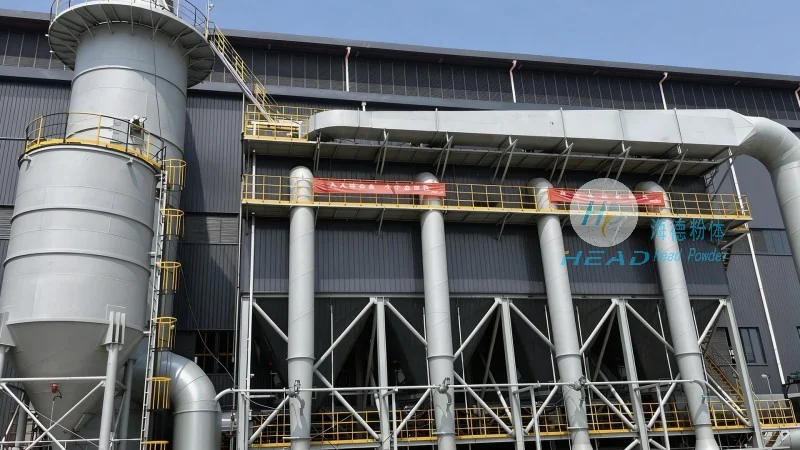
Advantages of Using Pneumatic Conveying for Coagulants
There are several advantages to using pneumatic conveying equipment for coagulant transport. First, it provides a closed system, which prevents dust contamination and environmental pollution, ensuring compliance with industrial regulations. Second, it offers high material throughput and low maintenance requirements compared to other conveying methods like belt conveyors or bucket elevators. Third, the system can handle a wide range of powder characteristics, from fine to coarse particles, and can transport materials over long distances without the need for intermediate storage or handling. Fourth, the equipment is flexible and can be easily integrated into existing industrial processes, allowing for seamless material transfer. These advantages make coagulant dry powder pneumatic conveying equipment a preferred choice in industries such as water treatment, chemical manufacturing, and mineral processing.
Applications in Industrial Settings
Coagulant dry powder pneumatic conveying equipment is widely used in various industrial settings where coagulants are essential for process control. In water treatment plants, for example, the equipment is used to transport coagulants from storage to the treatment tanks, ensuring consistent dosing and efficient water purification. In chemical manufacturing, it may be used to convey coagulants used in the production of polymers or other chemical products. In mineral processing, the equipment can transport coagulants used in the flotation process to separate valuable minerals from ore. The versatility of the system allows it to be adapted to different industrial needs, making it a valuable asset in many production lines.
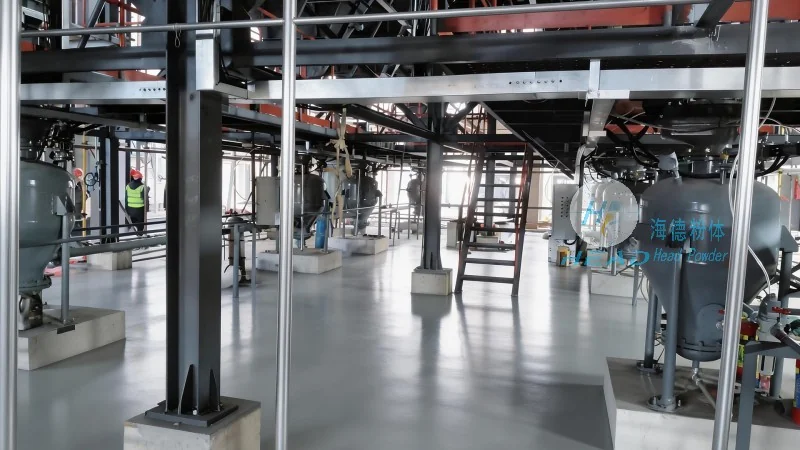
Company Overview: Shandong HeadPowder Engineering Co., Ltd.
Shandong HeadPowder Engineering Co., Ltd., commonly known as HeadPowder, is a leading manufacturer of coagulant dry powder pneumatic conveying equipment. The company is based in Shandong, China, and specializes in designing, manufacturing, and supplying high-quality pneumatic conveying systems tailored to the specific needs of various industries. HeadPowder has a team of experienced engineers and technicians who work closely with clients to understand their requirements and provide customized solutions. The company adheres to international quality standards and uses advanced manufacturing technologies to ensure the reliability and durability of its products. With a strong commitment to customer satisfaction and innovation, HeadPowder has established itself as a trusted partner in the industry, providing efficient and effective solutions for coagulant transport needs.




