For industrial operations that require efficient and reliable material handling, the bin pump pneumatic conveying system stands out as a versatile solution. This equipment is designed to transport bulk materials such as powders, granules, and fine particles over long distances with minimal maintenance and operational complexity. The system integrates a pressure vessel (the bin pump) with a pneumatic conveying network, enabling the movement of materials from storage silos or hoppers to processing units, packaging lines, or storage facilities. By leveraging the principles of fluidization and pressure differentials, the bin pump ensures consistent and controlled material flow, making it ideal for applications in chemical, food, pharmaceutical, and mining industries.
Key Components and Their Functions
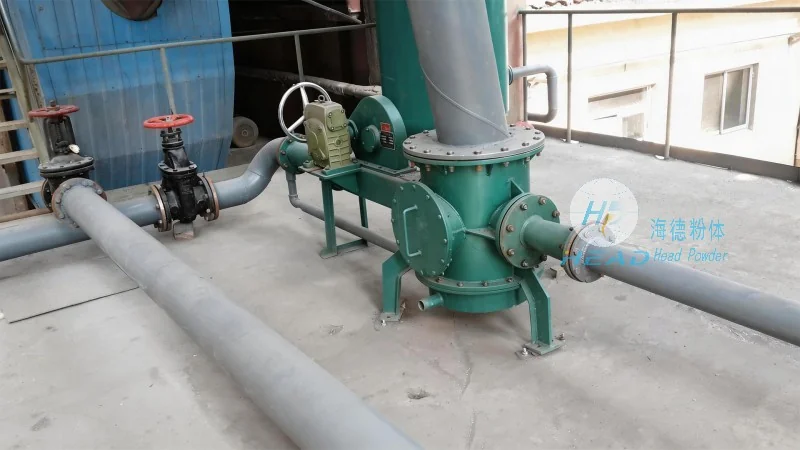
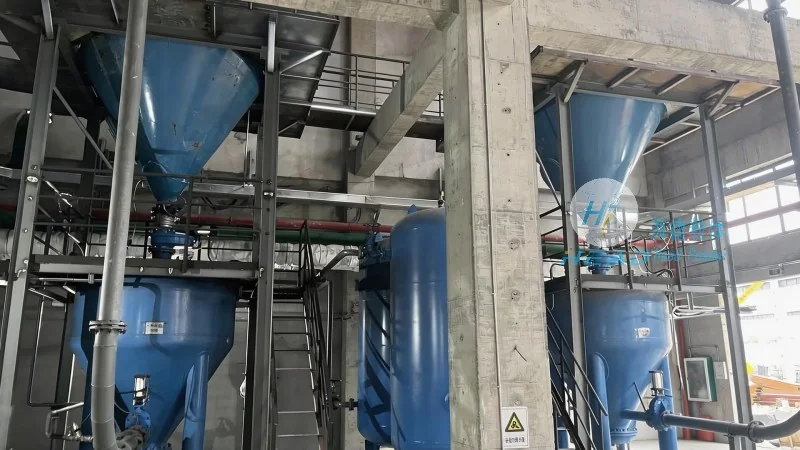
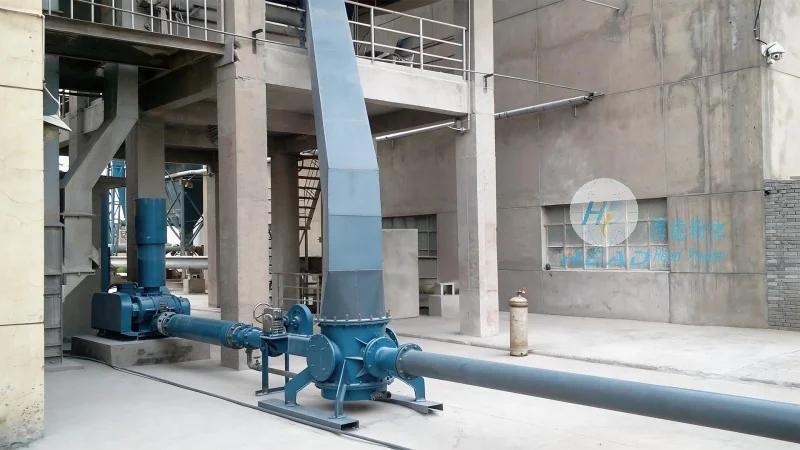
The bin pump pneumatic conveying system comprises several critical components, each playing a vital role in the overall operation. The primary components include the bin pump itself, which acts as a pressure vessel to store and pressurize the material; the feed mechanism, which introduces material into the pump; the air compressor or blower, which generates the necessary airflow to transport the material; the conveying pipeline, which carries the material from the pump to the destination; and the control system, which regulates the pressure, flow rate, and material discharge. Each component is engineered to work in harmony, ensuring the system operates smoothly and efficiently. For instance, the bin pump is typically made of durable materials like stainless steel or carbon steel, capable of withstanding high internal pressures and handling abrasive materials without degradation. The feed mechanism may include a rotary valve or a screw feeder, which controls the rate of material introduction and prevents backflow. The air compressor is chosen based on the required airflow and pressure, with options ranging from rotary lobe compressors to centrifugal blowers, depending on the application's specific demands. The conveying pipeline is usually constructed from materials such as stainless steel or PVC, selected for their resistance to corrosion and wear from the conveyed material. The control system often incorporates sensors and automation to monitor parameters like pressure, temperature, and material level, providing real-time feedback and adjustments to maintain optimal performance.
The Design Principles Behind the Bin Pump System
The design principles of the bin pump pneumatic conveying system are rooted in the physics of fluidization and the dynamics of gas-solid flow. The core principle is to create a pressure differential between the bin pump and the discharge point, which drives the material through the conveying pipeline. When the bin pump is pressurized, the material inside is fluidized by the introduced air, reducing its bulk density and allowing it to be entrained by the airflow. This process, known as pneumatic conveying, uses the kinetic energy of the air to transport the material. The design must consider factors such as the material's properties (e.g., particle size, density, moisture content), the required conveying distance, and the desired flow rate. Engineers must calculate the appropriate air velocity and pressure to ensure the material remains suspended in the air stream without settling or clogging the pipeline. For example, the air velocity is typically maintained between 20 to 30 meters per second for fine powders to prevent particle separation, while larger particles may require higher velocities to achieve stable suspension. The system's design also incorporates the concept of "pressure drop" along the pipeline, which is the difference in pressure between the pump and the discharge point, and must be managed to ensure sufficient energy is available to transport the material. Additionally, the control system plays a crucial role in maintaining the desired pressure and flow, adjusting the air supply and material feed in real-time to respond to changes in demand or material characteristics. This dynamic control helps prevent over-pressurization and ensures consistent material delivery to the end user.




