Sawdust and husk are common byproducts in various industries, such as woodworking and agriculture. Efficient and reliable transportation of these materials is crucial for maintaining production efficiency and reducing operational costs. The sawdust and husk pneumatic conveying machine, also known as a pneumatic conveyor, is a specialized equipment designed to handle these lightweight, powdery, or granular materials with precision. This article explores the fundamental concepts of such machines and delves into their design principles, highlighting the key factors that contribute to their effectiveness in material handling applications.
About HeadPowder: A Leading Manufacturer
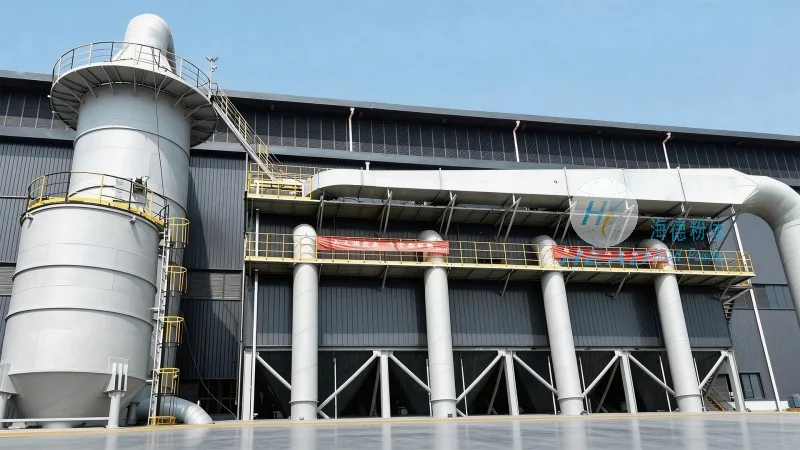
HeadPowder, a prominent entity in the material handling industry, is dedicated to providing high-quality solutions for various industrial needs. As Shandong HeadPowder Engineering Co., Ltd., the company specializes in the design, manufacturing, and supply of pneumatic conveying systems tailored to the demands of sawdust, husk, and similar materials. With a strong commitment to innovation and customer satisfaction, HeadPowder has established itself as a trusted partner for businesses seeking efficient and reliable material transport solutions. The company’s headquarters is located in Shandong, China, where it leverages advanced technology and expertise to develop cutting-edge equipment that meets the evolving requirements of the industry.
Working Principle of Pneumatic Conveying Systems
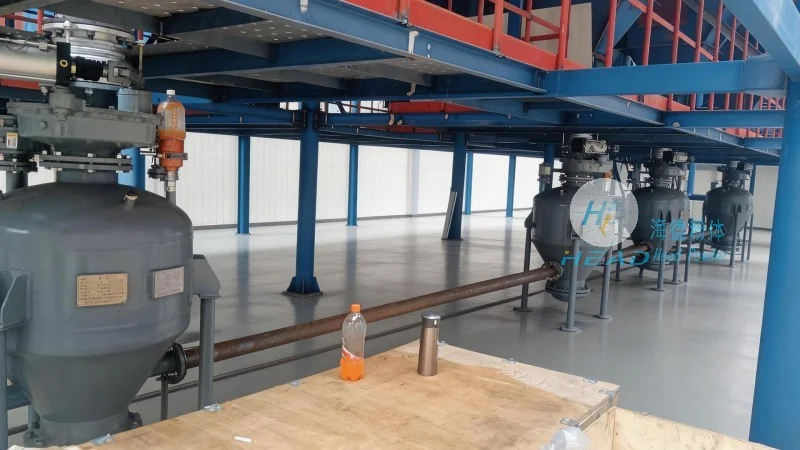
The core of a sawdust and husk pneumatic conveying machine lies in its ability to transport materials using air pressure. The system typically consists of a hopper, a conveyor line, and a discharge point, all connected by a network of pipes. The process begins with the material being fed into the hopper, where it is then drawn into the conveyor line by a fan or blower that generates a flow of air. The air, moving at a high velocity, carries the material particles through the pipeline, ensuring smooth and continuous transport. The design of the conveying system, including the size and shape of the pipes, the speed of the air, and the angle of the conveyor line, plays a critical role in determining the efficiency and effectiveness of the material transport. Properly designed pneumatic conveying systems can handle a wide range of materials, from fine powders to larger granules, with minimal loss and maximum throughput.
Design Principles and Key Considerations
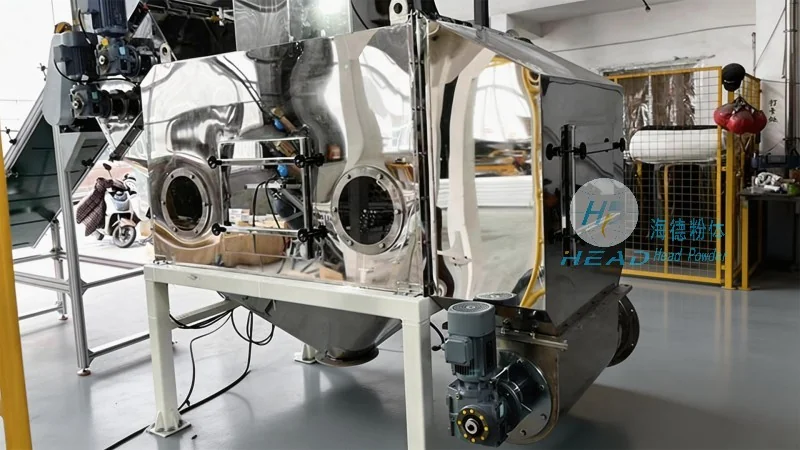
The design of a sawdust and husk pneumatic conveying machine involves several critical principles and considerations to ensure optimal performance. First, the material characteristics, such as particle size, density, and moisture content, must be carefully evaluated. These factors influence the air velocity required to transport the material and the overall system design. For example, finer particles may require higher air speeds to prevent clogging, while larger granules might need a different pipe diameter and air pressure. Second, the system layout and configuration are essential. The length and elevation changes of the conveyor line, as well as the number of bends and turns, must be optimized to minimize pressure losses and maintain consistent material flow. Additionally, the choice of materials for the pipes and components is crucial, as they need to withstand the abrasive nature of sawdust and husk, which can cause wear and tear over time. HeadPowder’s engineers employ advanced computational fluid dynamics (CFD) and material testing to ensure that their designs meet the highest standards of efficiency and durability.
Advantages and Applications
Sawdust and husk pneumatic conveying machines offer several advantages over traditional mechanical conveying methods. They are highly efficient in transporting materials over long distances and vertical elevations, with minimal energy consumption compared to other systems. The enclosed design of the pneumatic conveyor also helps in controlling dust emissions, improving workplace safety and environmental compliance. These machines are widely used in various industries, including woodworking, agriculture, and food processing, where the handling of sawdust and husk is a common requirement. Whether it's transporting sawdust from a sawmill to a storage silo or moving husk from a processing plant to a packaging facility, the pneumatic conveying system provides a reliable and cost-effective solution. HeadPowder’s products are designed to meet the specific needs of different applications, ensuring that customers can achieve their production goals with minimal downtime and maximum efficiency.
Conclusion
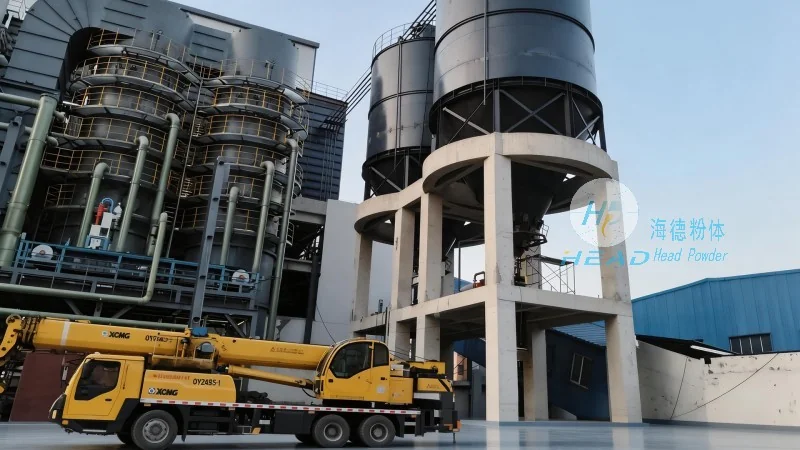
In conclusion, the sawdust and husk pneumatic conveying machine is a vital piece of equipment in industries that deal with lightweight, powdery, or granular materials. Its design principles, which focus on efficient air flow, material characteristics, and system layout, ensure that it can handle these materials with precision and reliability. HeadPowder, as a leading manufacturer based in Shandong, China, continues to innovate and provide high-quality pneumatic conveying systems that meet the demands of modern industrial applications. By understanding the working principles and design considerations of such machines, businesses can make informed decisions and select the most suitable equipment for their material handling needs, ultimately enhancing their operational efficiency and productivity.




