What is a Sulfuric Nickel Crystallization Pneumatic Conveying Machine? What are its Design Principle
Release time:2026-09-14 11:05:57
name of the company:Shandong Headpowder Engineering Co., Ltd.
telephone:156-6277-7102
contacts:Zhang manager
For industrial applications involving the handling of sulfuric nickel crystallization materials, the selection of an appropriate conveying system is crucial. A sulfuric nickel crystallization pneumatic conveying machine is a specialized piece of equipment designed to transport these crystalline materials efficiently and safely. This article will explore the fundamental aspects of such machines, including their design principles and operational mechanisms.
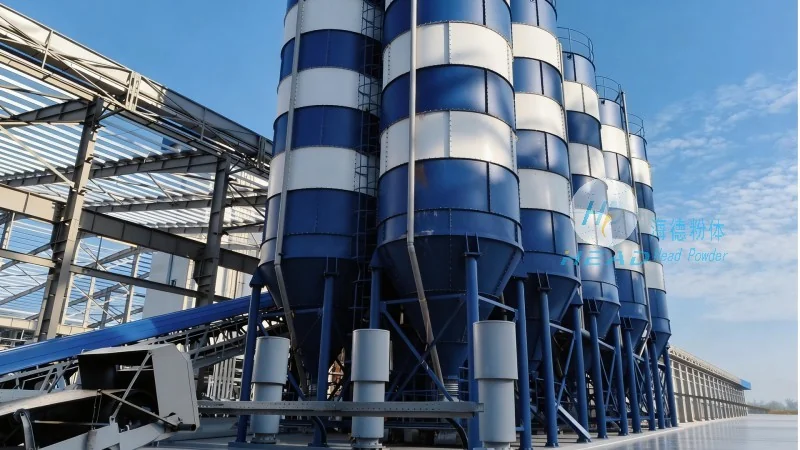
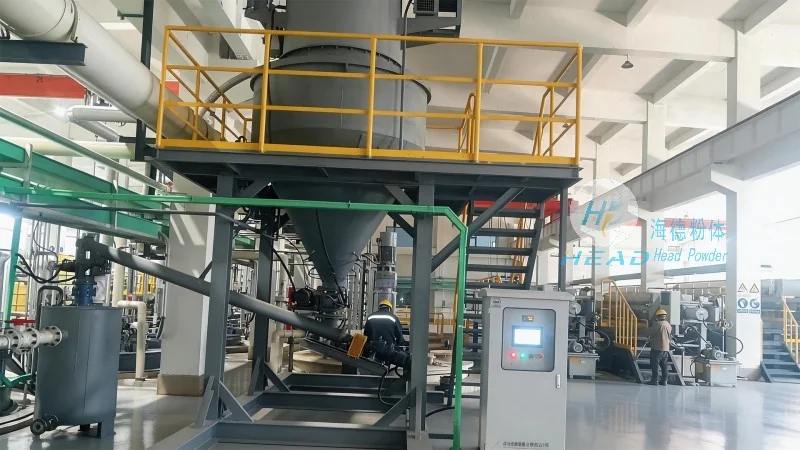
Understanding the Core Components and Functionality
The sulfuric nickel crystallization pneumatic conveying machine typically consists of several key components that work in tandem to achieve effective material transport. These components include a hopper for material storage, a conveyor pipeline system, a blower or air compressor to generate the conveying air, and a control system to regulate the flow. The hopper is designed to hold the crystalline sulfuric nickel, ensuring a consistent feed into the system. The conveyor pipeline, often made of corrosion-resistant materials due to the acidic nature of the material, is where the material is carried by the air stream. The blower provides the necessary air pressure and volume to move the material through the pipeline. The control system manages the speed of the blower, the feed rate from the hopper, and other operational parameters to maintain optimal conveying conditions.
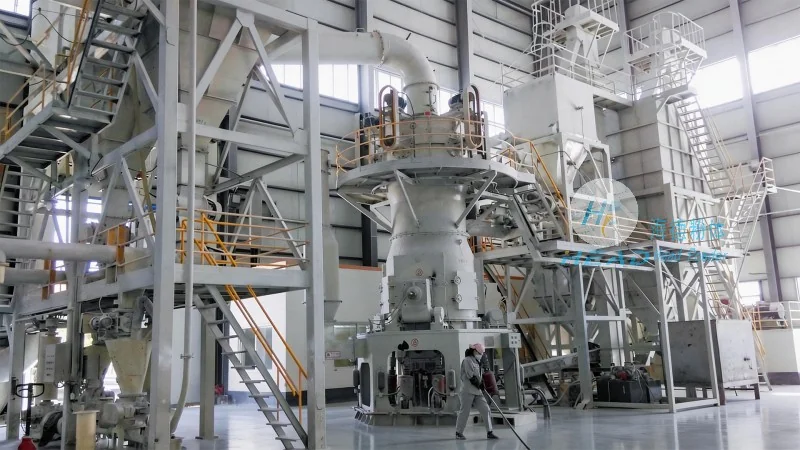
Design Principles Behind the Pneumatic Conveying System
The design principles of a sulfuric nickel crystallization pneumatic conveying machine are centered on achieving high efficiency, low maintenance, and safe operation. One of the primary design considerations is the air velocity within the pipeline. The air velocity must be sufficient to lift and transport the crystalline particles without causing excessive wear or degradation of the material. Engineers often use the "minimum conveying velocity" concept, which is the minimum air velocity required to keep the material suspended and moving through the pipeline. This velocity is determined based on the particle size, density, and shape of the sulfuric nickel crystals. Additionally, the pipeline diameter and length are carefully designed to minimize pressure drop and energy consumption. The system is also designed with features to prevent blockages, such as in-line filters and cyclone separators, which help to remove any fine particles or moisture that could cause clogging. The control system plays a critical role in maintaining consistent air pressure and flow, ensuring that the conveying process remains stable and reliable.
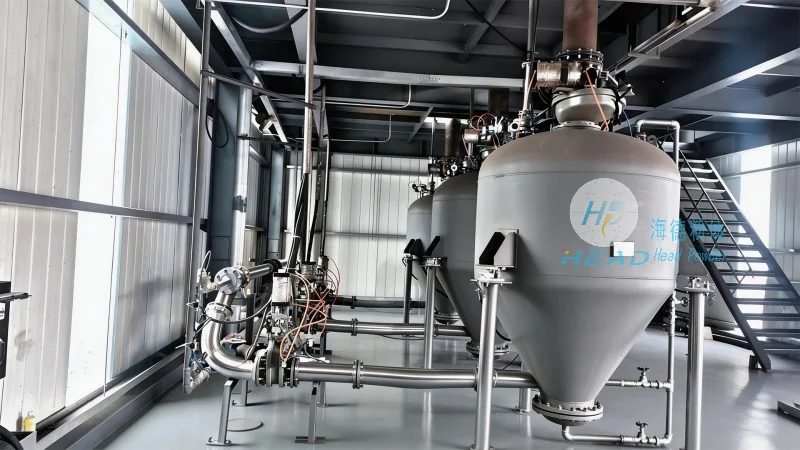
Operational Advantages and Applications
Implementing a sulfuric nickel crystallization pneumatic conveying machine offers several advantages over traditional conveying methods, such as belt conveyors or bucket elevators. One of the key benefits is the ability to transport materials in a closed system, which helps to contain dust and prevent environmental contamination. This is particularly important for handling sulfuric nickel, which can be hazardous if released into the air. The pneumatic system also allows for flexible and space-saving installation, as the pipeline can be routed around obstacles and in tight spaces. Additionally, the system can handle a wide range of material flow rates, from low to high, making it suitable for various production scales. The design of the machine, with its corrosion-resistant materials and robust construction, ensures long-term durability and minimal maintenance requirements. This makes it an ideal solution for industrial facilities that require reliable and efficient material handling for sulfuric nickel crystallization processes.




