Calcium hydroxide, commonly known as slaked lime, is a widely used chemical in various industrial applications. The efficient and safe transportation of this material from storage to processing units is crucial for maintaining production efficiency and ensuring operational safety. This article explores the concept of a calcium hydroxide pneumatic conveying system, detailing its components, operational mechanisms, and the underlying design principles that govern its functionality.
Understanding the Calcium Hydroxide Pneumatic Conveying System
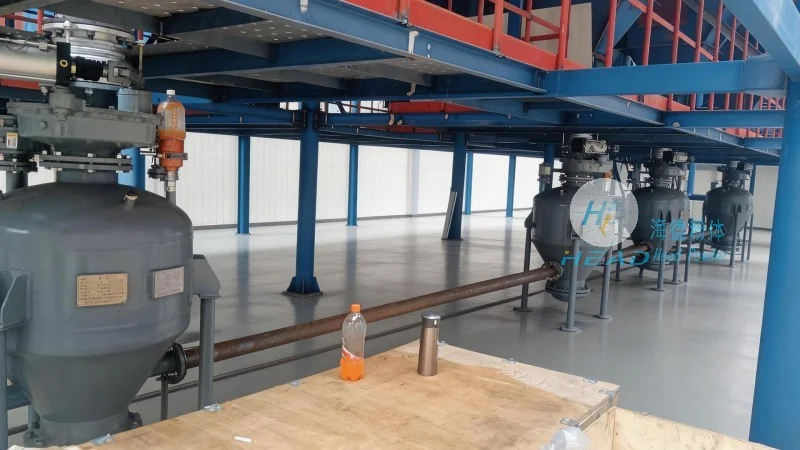
A calcium hydroxide pneumatic conveying system is a specialized piece of equipment designed to transport calcium hydroxide powder or granules through an enclosed pipeline using a pressurized air or gas stream. This method offers several advantages over traditional mechanical conveying systems, including reduced risk of dust exposure, improved material handling flexibility, and the ability to transport materials over longer distances without the need for multiple transfer points.
Key Components of the System
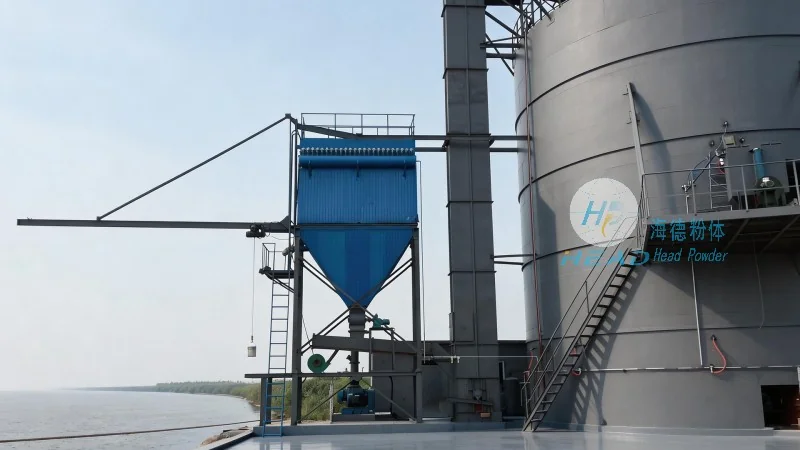
The calcium hydroxide pneumatic conveying system typically consists of several critical components that work in tandem to ensure effective material transport. These components include a material feeder, a conveying pipeline, a pressure vessel or receiver, a blower or air compressor, and a control system. The material feeder is responsible for accurately metering the calcium hydroxide into the pipeline, while the blower generates the necessary air pressure to move the material. The pipeline itself is designed to withstand the pressure and material flow, often made from corrosion-resistant materials to accommodate the chemical properties of calcium hydroxide. The pressure vessel collects the conveyed material and allows for any air to be separated and recycled back into the system.
Design Principles and Operational Mechanisms
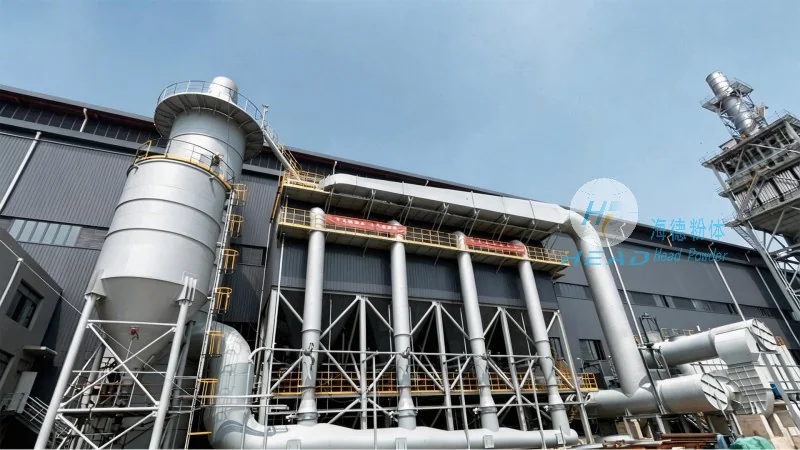
The design of a calcium hydroxide pneumatic conveying system is based on several fundamental principles to ensure optimal performance and reliability. One of the primary design considerations is the air-to-material ratio, which determines the velocity of the material within the pipeline. An appropriate ratio is crucial to prevent material deposition or blockages while maintaining efficient transport. The system also incorporates features such as pulse-jet or rotary airlock valves to control the flow and prevent backflow, ensuring smooth and continuous operation. Additionally, the system is engineered to handle the specific physical properties of calcium hydroxide, including its particle size distribution, moisture content, and flow characteristics, to minimize the risk of clogging or equipment wear.
HeadPowder Engineering: A Leading Provider of Pneumatic Conveying Solutions
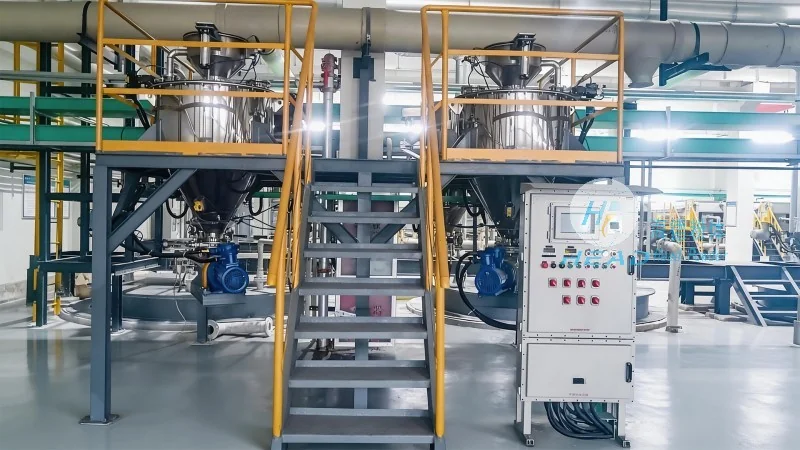
Shandong HeadPowder Engineering Co., Ltd. is a reputable company based in China, specializing in the design, manufacturing, and installation of advanced pneumatic conveying systems for various industrial applications. With years of experience in the field, HeadPowder has developed a comprehensive range of solutions tailored to meet the unique needs of clients handling calcium hydroxide and other bulk materials. The company's expertise lies in customizing systems to optimize material transport efficiency, reduce operational costs, and enhance overall process safety. HeadPowder's commitment to quality and innovation has made it a trusted partner for industries relying on reliable and efficient material handling solutions.




