For industrial applications that require precise handling and transportation of powders, an automatic weighing powder conveying line is a critical piece of equipment. This system is designed to efficiently move bulk materials while simultaneously measuring their weight, ensuring accurate dosing and inventory management. The design principles behind such a line are intricate, combining mechanical engineering, control systems, and material science to achieve reliable performance in demanding environments.
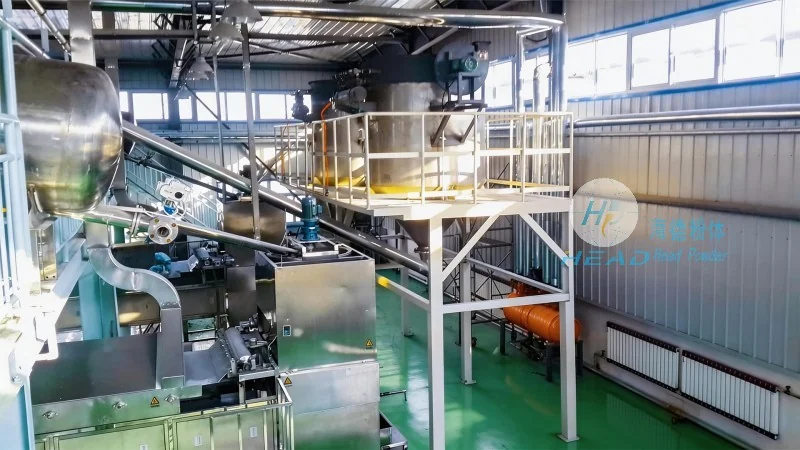
Understanding the Core Components of an Automatic Weighing Powder Conveying Line
The automatic weighing powder conveying line typically consists of several key components that work in tandem to achieve its objectives. These include a hopper or feeder for material storage, a conveyor system (such as a screw or belt conveyor) to transport the powder, a weighing scale integrated into the system, and a control unit that manages the entire process. Each component plays a vital role in ensuring the line operates smoothly and delivers accurate results.
The Role of the Feeder and Hopper in Material Handling
The feeder and hopper are the initial stages of the automatic weighing powder conveying line. The hopper serves as a storage vessel, holding the bulk powder until it is needed for processing. It is designed with a specific capacity to accommodate the volume of material being handled, and its shape often includes a conical or rectangular design to facilitate smooth flow. The feeder, positioned at the bottom of the hopper, regulates the flow of powder into the conveyor system. This component is crucial for maintaining a consistent feed rate, which directly impacts the accuracy of the weighing process. The design of the feeder, whether it is a rotary valve, a vibratory feeder, or a screw feeder, is tailored to the properties of the powder—such as its density, flowability, and moisture content—to prevent issues like bridging or segregation.
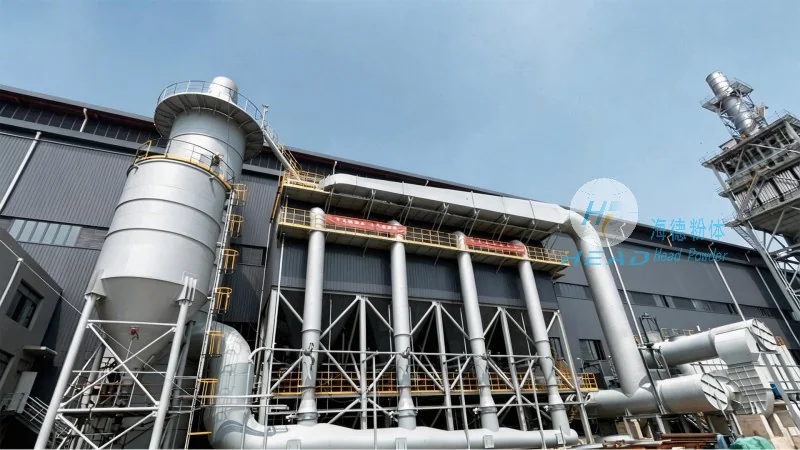
Conveyor Systems: Ensuring Efficient Material Transport
The conveyor system is the backbone of the automatic weighing powder conveying line, responsible for moving the powder from the hopper to the weighing scale. Different types of conveyors are used depending on the application, including screw conveyors, belt conveyors, and pneumatic conveying systems. Screw conveyors are particularly common for powders with good flowability, as they can handle materials that are prone to caking or bridging. These conveyors consist of a rotating screw inside a tube, which pushes the material forward. Belt conveyors, on the other hand, use a continuous belt to transport the powder, making them suitable for larger volumes and a wider range of materials. The choice of conveyor type depends on factors like the material's characteristics, the required throughput, and the space available in the facility. The conveyor system must be designed to minimize material loss and ensure a consistent flow rate, as any fluctuations can affect the accuracy of the weighing process.
The Weighing Scale: The Heart of the System
The weighing scale is the core component that enables the automatic weighing powder conveying line to measure the weight of the material being transported. It is typically an industrial load cell scale, which converts the force exerted by the powder into an electrical signal. The scale is integrated into the conveyor system, often placed at the discharge end or within the conveyor itself. Modern weighing scales are equipped with advanced sensors and digital processing units, allowing for real-time data acquisition and precise measurement. The scale must be calibrated regularly to maintain accuracy, as even minor deviations can lead to significant errors in the final product. The design of the weighing scale also considers factors like the load capacity, the resolution required, and the environmental conditions in which it operates, such as temperature and humidity.
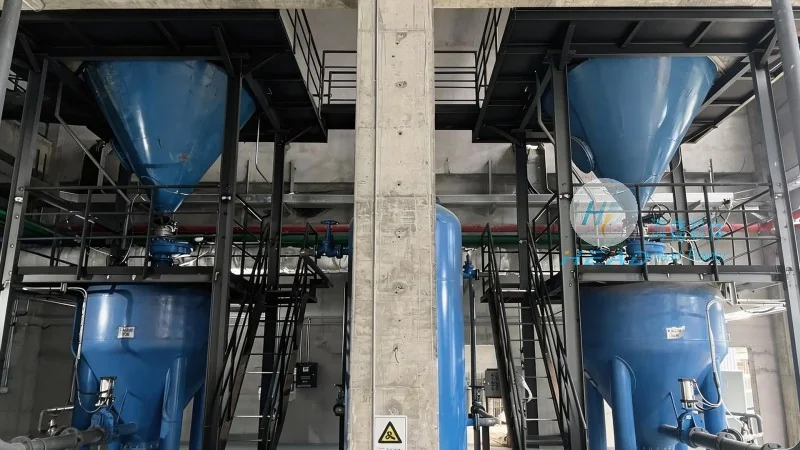
Control Systems: Managing the Entire Process
The control system is the brain of the automatic weighing powder conveying line, responsible for coordinating the operation of all components and ensuring the process runs smoothly. It includes a programmable logic controller (PLC), sensors, and a human-machine interface (HMI). The PLC monitors the status of the feeder, conveyor, and weighing scale, and adjusts the feed rate or conveyor speed as needed to maintain the desired weight. The sensors provide feedback on the system's performance, such as the level of material in the hopper or the speed of the conveyor. The HMI allows operators to set parameters, monitor the process, and troubleshoot any issues that may arise. The control system is designed to be user-friendly and intuitive, enabling operators to easily adjust settings and access real-time data. It also includes safety features to prevent overloading or other hazards, ensuring the system operates safely and reliably.
Design Principles: Balancing Efficiency and Accuracy
The design principles of an automatic weighing powder conveying line are centered on achieving a balance between efficiency and accuracy. Efficiency is achieved through the use of optimized components, such as the feeder and conveyor, which minimize energy consumption and maximize throughput. Accuracy, on the other hand, is ensured by the integration of a high-quality weighing scale and a robust control system. The design also considers the specific requirements of the application, such as the type of powder being handled, the required throughput, and the operating environment. Engineers must take into account factors like the material's flowability, density, and moisture content, as these properties can affect the performance of the system. The design process involves careful calculations and simulations to ensure that the system meets the desired specifications and operates reliably under various conditions.
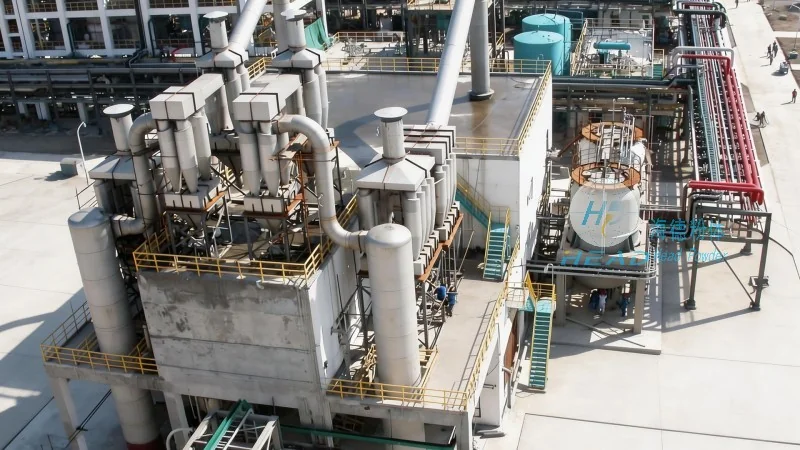
Applications and Benefits of Automatic Weighing Powder Conveying Lines
Automatic weighing powder conveying lines are widely used in various industries, including pharmaceuticals, food processing, chemicals, and mining. In the pharmaceutical industry, for example, these systems are used to handle active pharmaceutical ingredients (APIs) and excipients, ensuring precise dosing and compliance with regulatory standards. In the food industry, they are used to transport ingredients like flour, sugar, and spices, maintaining consistent quality and flavor. The benefits of using such a system include improved accuracy, reduced labor costs, increased throughput, and enhanced safety. By automating the process, companies can minimize human error and improve product consistency, leading to higher customer satisfaction and better profitability.
Conclusion: The Importance of a Well-Designed System
In conclusion, an automatic weighing powder conveying line is a sophisticated system that combines mechanical, electrical, and control engineering to achieve precise material handling and weighing. The design principles behind such a line are critical to its performance, as they ensure that the system operates efficiently and accurately under various conditions. The components, including the feeder, conveyor, weighing scale, and control system, all work together to deliver reliable results. For industries that rely on bulk powder handling, this system is an essential tool for maintaining quality, efficiency, and safety. By investing in a well-designed automatic weighing powder conveying line, companies can improve their operational performance and stay competitive in the market.




