Understanding the fundamental components and operational principles of soda ash powder conveying systems is crucial for industries that rely on efficient material handling. These systems are engineered to transport sodium carbonate (soda ash) powder, a widely used chemical in various applications such as glass manufacturing, paper production, and water treatment. The design of these systems addresses key challenges like dust control, material flow optimization, and system reliability, ensuring safe and effective operation.
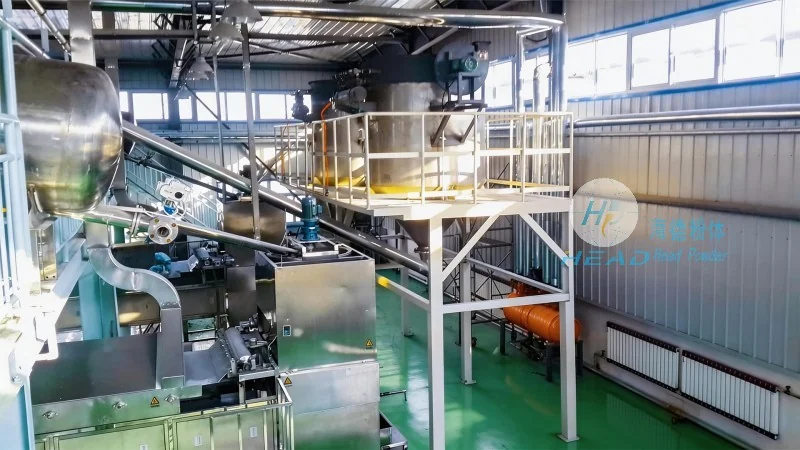
About Shandong HeadPowder Engineering Co., Ltd.
HeadPowder, a leading manufacturer based in Shandong, China, specializes in the design, development, and implementation of advanced powder handling solutions. With a strong commitment to quality and innovation, the company has established itself as a trusted partner for industries requiring reliable and efficient conveying systems for soda ash and other bulk materials. The company’s expertise lies in customizing systems to meet specific operational requirements, ensuring optimal performance and minimal downtime.
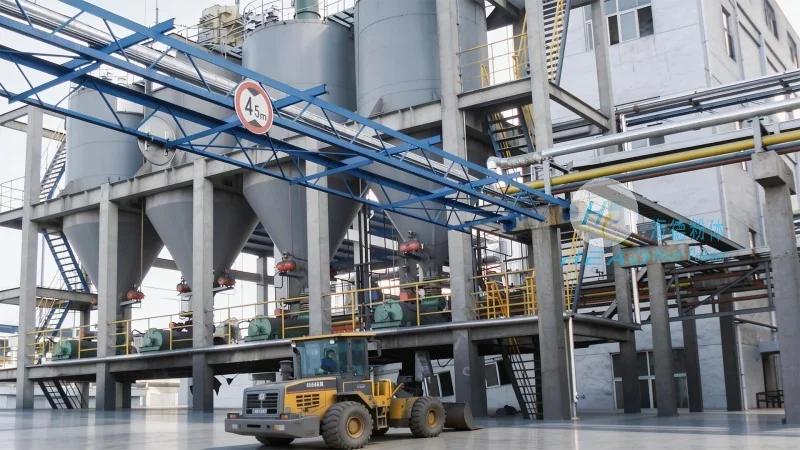
Design Principles of Soda Ash Powder Conveying Systems
The design of a soda ash powder conveying system involves several critical considerations to ensure efficient and safe operation. Key design principles include material flow control, dust suppression, and system integration. Material flow control is achieved through the use of specialized components such as feeders, hoppers, and conveyors that maintain consistent material movement. Dust suppression mechanisms, such as enclosures, filters, and sealing systems, are integrated to prevent airborne dust and ensure environmental compliance. System integration involves coordinating various components, including storage silos, conveying lines, and discharge points, to create a seamless material handling process. The design also emphasizes durability and maintenance ease, using corrosion-resistant materials and modular components that facilitate repairs and upgrades.
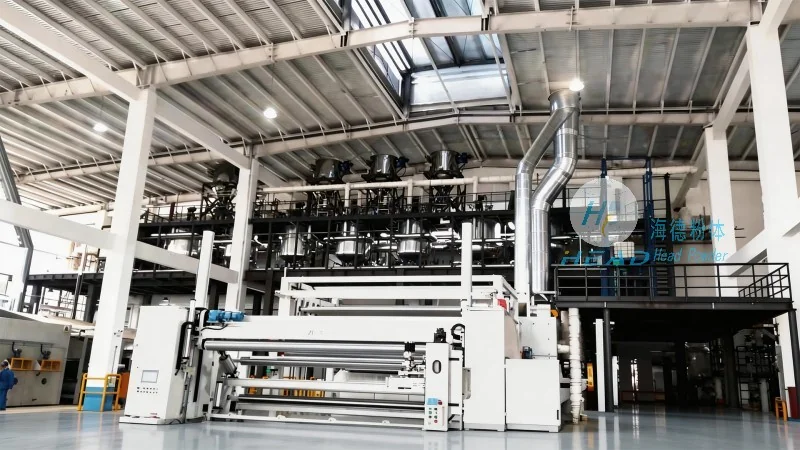
Key Components of the Conveying System
A typical soda ash powder conveying system consists of several interconnected components that work together to transport the material. The primary components include a storage silo or hopper for material storage, a feeder (such as a rotary or vibratory feeder) to control the material flow rate, a conveyor system (e.g., pneumatic or mechanical) to move the powder, and a discharge unit to release the material at the destination. The storage silo is designed to hold large quantities of soda ash while maintaining material stability and preventing caking. The feeder regulates the flow of powder from the silo to the conveyor, ensuring a consistent and controlled discharge rate. The conveyor system, whether pneumatic (using air pressure to transport the powder) or mechanical (using belts or screws), transports the material to the processing or storage location. The discharge unit, such as a rotary valve or a gate valve, controls the release of the powder from the conveyor line, preventing backflow and ensuring precise material delivery.
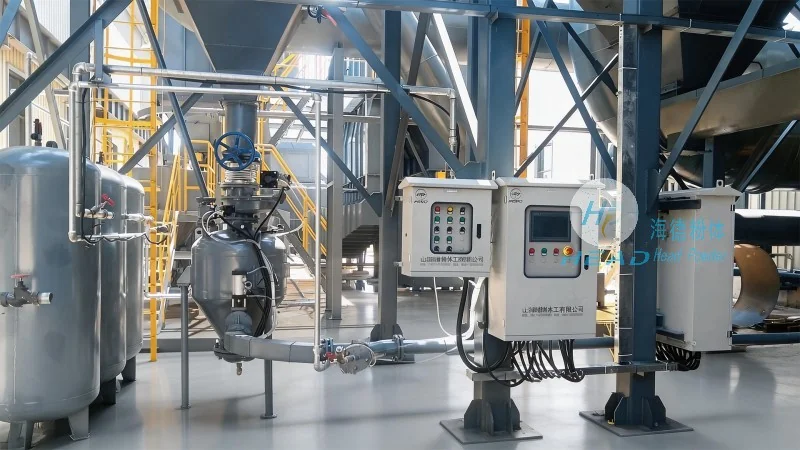
Operational Advantages and Applications
The soda ash powder conveying system offers several operational advantages that enhance productivity and safety in industrial settings. These systems are designed to minimize material loss and dust emissions, reducing environmental impact and improving workplace safety. The consistent flow control provided by the system ensures that downstream processes receive a steady supply of soda ash, preventing interruptions and maintaining production efficiency. Additionally, the modular design of the system allows for easy integration with existing facilities and future expansion, providing long-term value. Applications of these systems span various industries, including chemical manufacturing, food processing, and pharmaceuticals, where the handling of fine powders is critical. The reliability and efficiency of the system make it an essential component for any operation that requires the safe and efficient transport of soda ash powder.




