When it comes to handling and transporting silica sand powder, specialized equipment is essential to ensure efficiency, reliability, and the preservation of material quality. The silica sand powder conveying system equipment, developed by Shandong HeadPowder Engineering Co., Ltd. (commonly known as HeadPowder), represents a sophisticated solution tailored to the unique demands of the powder handling industry. This article explores the core functions of such systems and delves into the fundamental design principles that underpin their operation.
Introduction to Silica Sand Powder Conveying Systems
At the heart of many industrial processes, silica sand powder is a critical raw material used in applications ranging from construction to glass manufacturing and beyond. However, the fine nature of silica sand presents challenges during transportation, such as dust generation, caking, and the risk of material degradation. To address these issues, the silica sand powder conveying system equipment is engineered to transport the powder in a controlled, efficient manner while maintaining its integrity. HeadPowder, a leading manufacturer based in Shandong, China, specializes in the design and production of these systems, leveraging years of experience to meet the diverse needs of clients worldwide.
The Primary Function of the Silica Sand Powder Conveying System
The primary function of the silica sand powder conveying system is to move bulk silica sand powder from one location to another within a production facility or between different stages of a process. Unlike traditional methods like manual handling or simple bucket elevators, these systems utilize advanced technologies to achieve high throughput with minimal human intervention. The equipment is designed to handle varying particle sizes and moisture content, ensuring consistent performance even under challenging conditions. By automating the material transport process, the system reduces labor costs, minimizes the risk of accidents, and enhances overall operational safety.
Key Design Principles of the Silica Sand Powder Conveying System
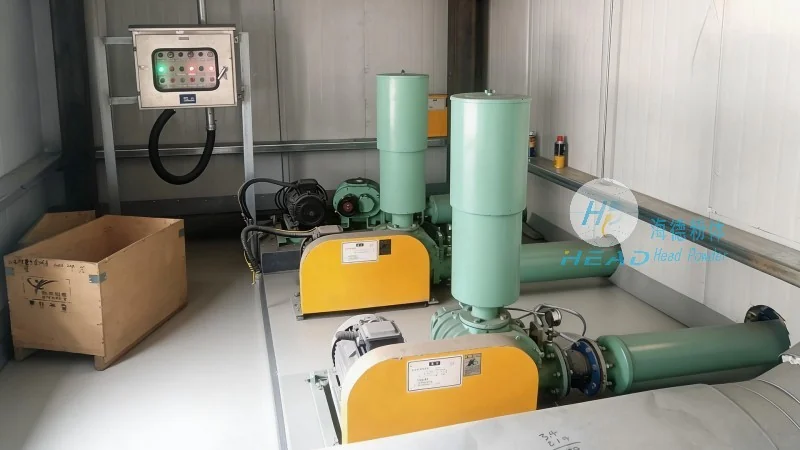
The design of a silica sand powder conveying system is guided by several critical principles aimed at optimizing performance, reliability, and cost-effectiveness. One of the most fundamental principles is the selection of an appropriate conveying method, which can include pneumatic (air-assisted) or mechanical (e.g., screw, belt) systems. Pneumatic systems are particularly effective for fine powders like silica sand, as they use compressed air to create a flow of material through a network of pipes. This method allows for flexible routing and the ability to transport materials over long distances without the need for multiple transfer points. The design also emphasizes the use of high-quality materials for components such as pipes, valves, and separation units to prevent corrosion and wear, which are common issues in powder handling applications.
Core Components and Their Roles
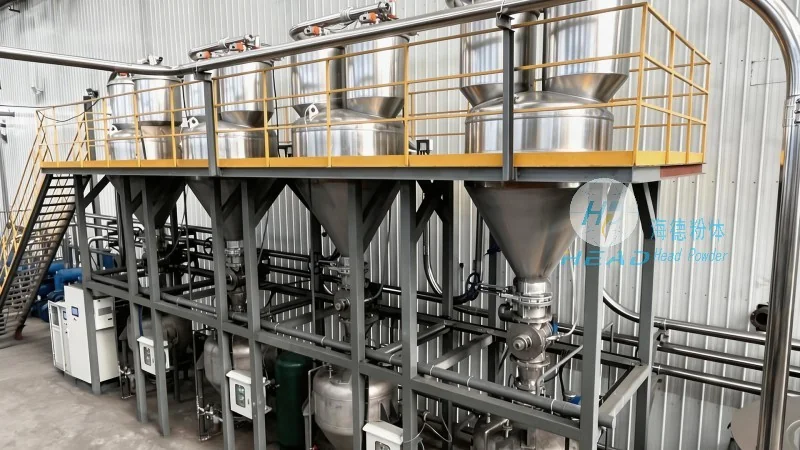
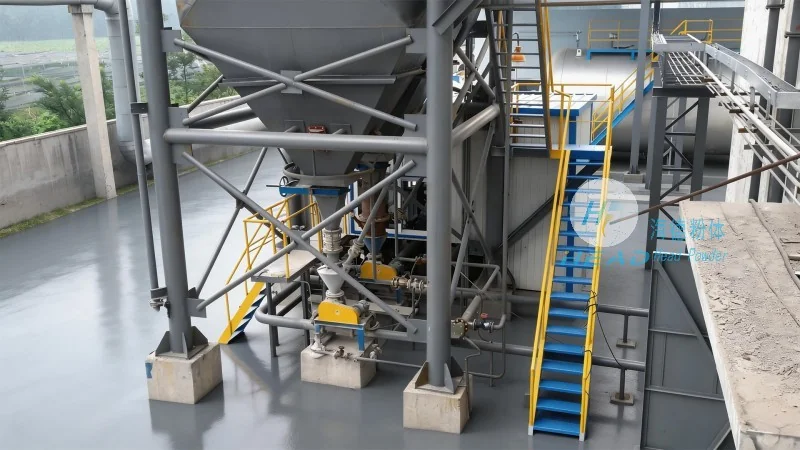
A silica sand powder conveying system typically consists of several interconnected components, each playing a vital role in the overall operation. The key components include the material feed hopper, which holds the silica sand and controls the flow rate; the conveying ducts, which transport the powder using air or mechanical force; the air source system (for pneumatic systems), which provides the necessary pressure to move the material; and the control valves, which regulate the flow and pressure within the system. Additionally, the system may incorporate a dust collection and filtration unit to ensure compliance with environmental regulations and to maintain a clean working environment. The separation unit, often a cyclone or bag filter, is crucial for removing excess air and separating the powder from the gas stream, preventing material loss and contamination.
Advantages of the Silica Sand Powder Conveying System
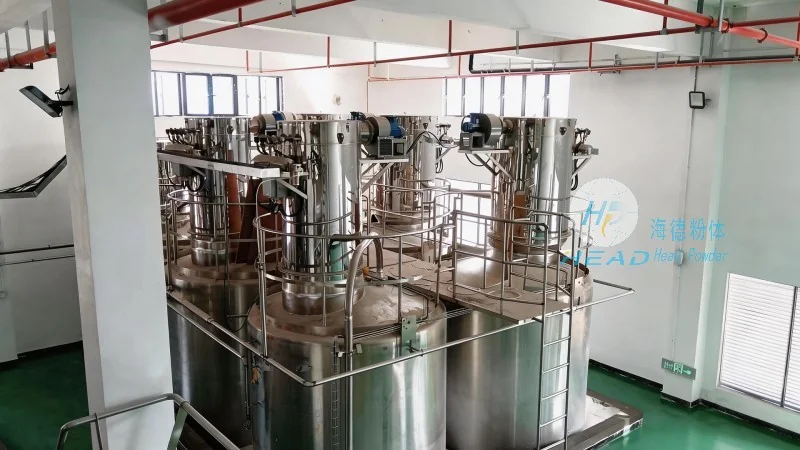
Implementing a silica sand powder conveying system offers numerous advantages for industrial operations. Firstly, it significantly improves efficiency by reducing the time and labor required for material transport. The automated nature of the system allows for continuous operation, minimizing downtime and maximizing production output. Secondly, the system minimizes material loss and degradation, as it prevents the powder from being exposed to air or moisture during transport. This is particularly important for silica sand, which can clump or degrade if not handled properly. Thirdly, the system enhances safety by eliminating the need for manual handling of bulk powders, reducing the risk of dust explosions or respiratory hazards. Finally, the modular design of these systems allows for easy integration into existing production lines and scalability to accommodate future growth.
Conclusion
In conclusion, the silica sand powder conveying system equipment is a vital component in modern industrial operations, enabling the efficient and safe transport of silica sand powder. The design principles and components of these systems are carefully engineered to address the unique challenges of handling fine powders, ensuring high performance and reliability. Shandong HeadPowder Engineering Co., Ltd., with its expertise and commitment to quality, provides cutting-edge solutions that meet the evolving needs of the industry. By investing in such a system, businesses can enhance productivity, reduce costs, and maintain compliance with environmental standards, ultimately contributing to a more sustainable and efficient operation.




