Plastic material handling equipment plays a crucial role in modern manufacturing and material processing industries. These specialized devices are engineered to efficiently transport, move, and manage plastic materials from one location to another within a production facility or processing plant. The primary objective of such equipment is to enhance operational efficiency, reduce labor costs, and ensure the safe and consistent handling of plastic materials throughout the production cycle.
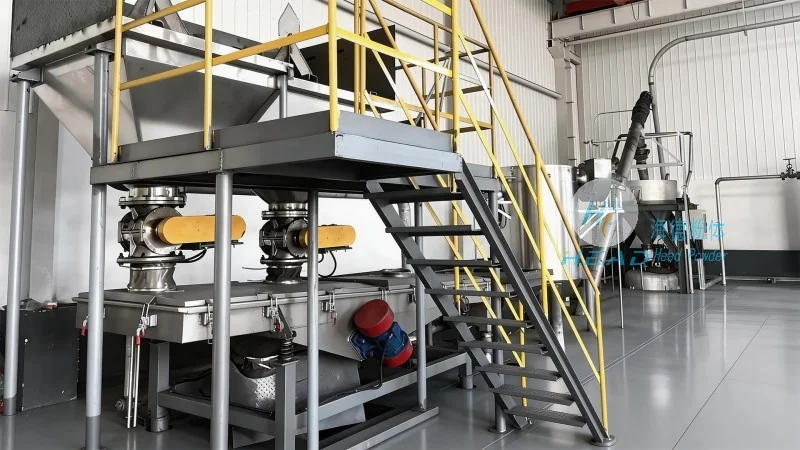
Key Functions of Plastic Material Handling Equipment
Plastic material handling equipment is designed to perform a variety of functions that are essential for the smooth operation of plastic processing operations. These functions include transporting raw plastic materials from storage areas to processing machines, moving finished products from production lines to packaging stations, and handling plastic waste or scrap for recycling. By automating these tasks, the equipment minimizes the need for manual labor, reduces the risk of human error, and ensures that materials are handled in a consistent and controlled manner. This not only improves productivity but also maintains the quality and integrity of the plastic products being manufactured.
Design Principles Behind Plastic Material Handling Equipment
The design of plastic material handling equipment is guided by several key principles that ensure its effectiveness and reliability. One of the fundamental principles is the consideration of material properties. Since plastic materials vary widely in terms of density, flexibility, and thermal characteristics, the equipment must be designed to accommodate these variations. For instance, some plastic materials may be lightweight and require low-friction systems, while others may be heavy or have abrasive properties that necessitate robust and wear-resistant components. Engineers must also consider the flow characteristics of plastic materials, as different types of plastics may behave differently when moved through conveyor systems or other handling mechanisms.
Another critical design principle is the integration of safety features. Plastic material handling equipment operates in industrial environments where safety is paramount. Therefore, the design incorporates safety mechanisms such as emergency stop buttons, protective guards, and sensors that detect obstructions or malfunctions. These features help prevent accidents and protect both operators and the equipment itself from damage. Additionally, the design emphasizes durability and longevity, as the equipment is subjected to continuous use and may be exposed to harsh conditions like temperature fluctuations or chemical exposure.
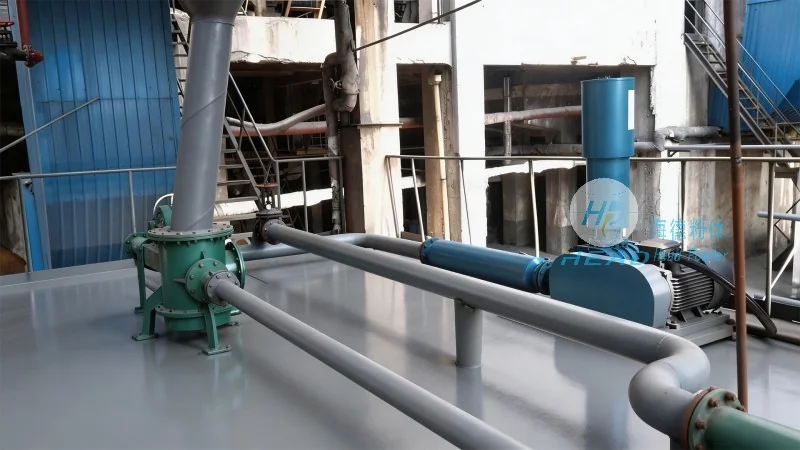
Components and Technologies Used in Plastic Material Handling Equipment
Plastic material handling equipment typically consists of several key components and technologies that work together to achieve its intended functions. Conveyors are a common component, including belt conveyors, chain conveyors, and roller conveyors, which are used to transport materials horizontally or at an incline. These conveyors can be customized with different belt materials or rollers to handle various types of plastic materials. Another essential component is the feeding and discharge mechanisms, which ensure that materials are loaded and unloaded efficiently. For example, hoppers and feeders are used to regulate the flow of plastic materials into processing machines, while discharge systems like chutes or elevators move finished products to the next stage of production.
Automation and control systems are also integral to modern plastic material handling equipment. These systems use sensors, motors, and programmable logic controllers (PLCs) to monitor and control the operation of the equipment. Sensors can detect the presence or absence of materials, while PLCs coordinate the movement of different components, ensuring that the equipment operates in a synchronized and efficient manner. Some advanced systems may also incorporate artificial intelligence or machine learning algorithms to optimize material flow and detect anomalies in real-time, further enhancing operational efficiency.
Applications of Plastic Material Handling Equipment in Various Industries
Plastic material handling equipment is widely used across various industries that rely on plastic processing. In the plastic manufacturing industry, these devices are used to transport raw plastic pellets or granules from storage silos to extrusion machines, injection molding machines, or other processing equipment. In the packaging industry, they are employed to move finished plastic containers or films from production lines to packaging stations or storage areas. The automotive industry also utilizes plastic material handling equipment to transport plastic components or parts from assembly lines to quality control or shipping areas. Additionally, in the recycling industry, these devices are used to sort and transport plastic waste for processing and reclamation.
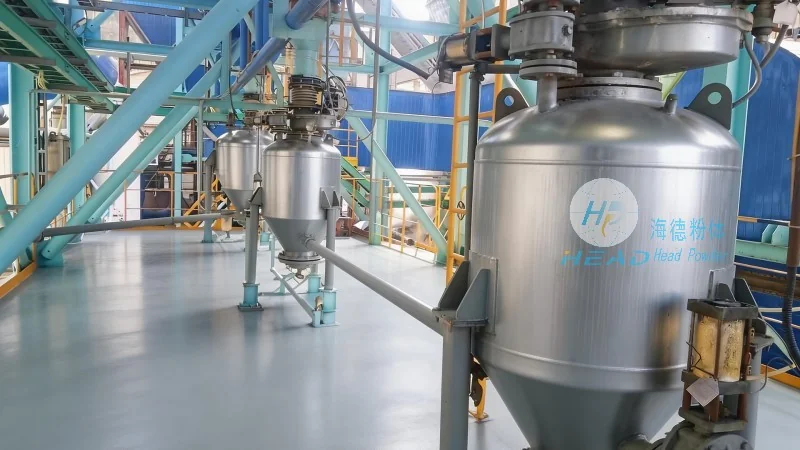
Choosing the Right Plastic Material Handling Equipment
When selecting plastic material handling equipment, several factors must be considered to ensure that the chosen system meets the specific needs of a production facility. The first consideration is the type and characteristics of the plastic materials being handled. Different plastics have different flow properties, and the equipment must be designed to accommodate these variations. For example, flexible plastics may require conveyor systems with adjustable tension, while rigid plastics may need sturdier and more robust components. The second factor is the production volume and throughput requirements. The equipment must be capable of handling the desired volume of materials without causing bottlenecks or delays. This involves selecting the appropriate conveyor speed, capacity, and number of handling units.
The third consideration is the available space and layout of the production facility. The equipment must be designed to fit within the existing space constraints and integrate seamlessly with other production equipment. This may involve customizing the equipment's dimensions or incorporating flexible components that can be reconfigured as needed. The fourth factor is the budget and cost considerations. While the initial investment in plastic material handling equipment may be significant, the long-term benefits, such as increased efficiency and reduced labor costs, often outweigh the initial expenses. It is essential to evaluate the total cost of ownership, including maintenance and operational costs, when making a decision.
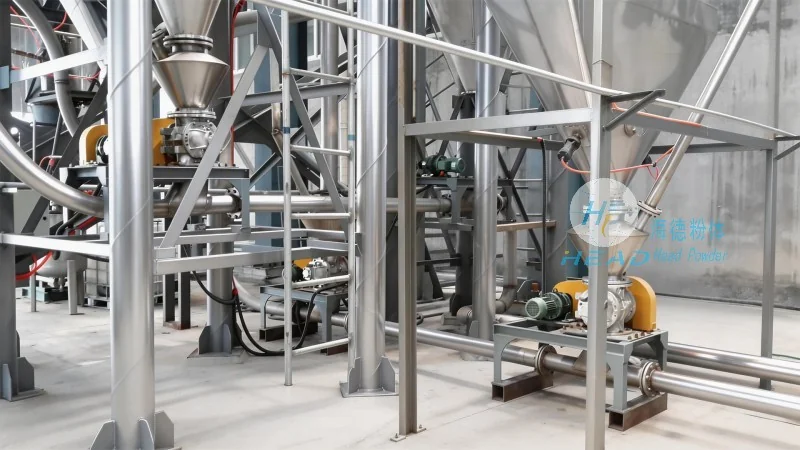
Maintenance and Operational Considerations for Plastic Material Handling Equipment
Proper maintenance and operational practices are crucial for ensuring the longevity and optimal performance of plastic material handling equipment. Regular maintenance is necessary to prevent breakdowns and extend the equipment's lifespan. This includes routine checks of components such as belts, rollers, and motors, as well as lubrication of moving parts. Additionally, cleaning the equipment regularly is important to prevent the accumulation of plastic debris or contaminants that could affect its performance. Proper training of operators is also essential to ensure that they understand how to operate the equipment safely and efficiently. Operators should be trained on the use of safety features, emergency procedures, and the proper handling of different plastic materials.
Operational considerations also include monitoring the equipment's performance and making adjustments as needed. This may involve tracking the throughput rate, checking for any signs of wear or damage, and adjusting the conveyor speed or tension as required. By maintaining the equipment properly and operating it according to best practices, manufacturers can maximize its efficiency and minimize downtime. This not only improves productivity but also reduces maintenance costs and extends the equipment's useful life.
Conclusion
Plastic material handling equipment is a vital component of modern plastic processing operations, enabling efficient and safe handling of plastic materials throughout the production cycle. The design of these devices is guided by principles that consider material properties, safety, durability, and operational efficiency. By understanding the key functions, components, and design principles of plastic material handling equipment, manufacturers can select and implement the right systems to enhance their production processes. With proper maintenance and operational practices, these equipment can provide long-term benefits, including increased productivity, reduced labor costs, and improved product quality. As the demand for plastic products continues to grow, the importance of reliable and efficient plastic material handling equipment will only increase, making it an essential investment for any plastic processing facility.




