Ash material handling equipment is a specialized system designed to manage the collection, transport, and disposal of ash byproducts from industrial and energy facilities. These systems are critical for industries such as power generation, waste-to-energy, and industrial incineration, where efficient ash management directly impacts operational efficiency and environmental compliance. Understanding the design principles behind these equipment is essential for optimizing performance and ensuring safe handling of ash materials.
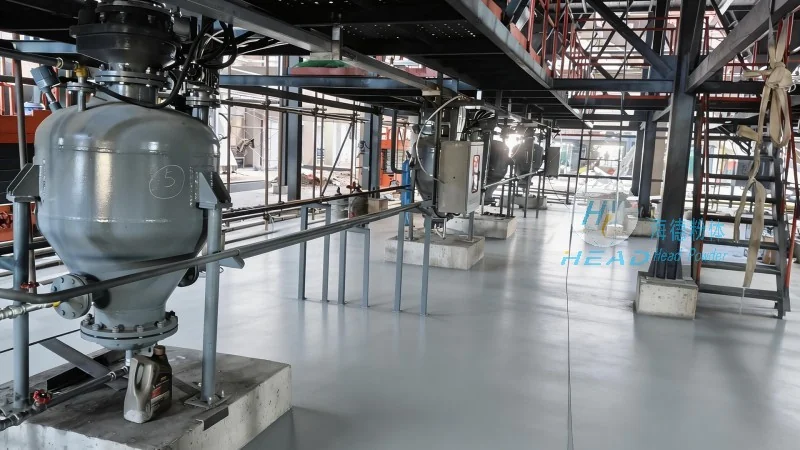
Overview of Ash Material Handling Equipment
Ash material handling equipment encompasses a range of machinery and components tailored to handle the unique physical properties of ash. Ash, which can include bottom ash (from boiler combustion) and fly ash (fine particles carried by flue gases), varies in characteristics like particle size, moisture content, and density. The equipment must be capable of handling these variations while maintaining high throughput and minimal material loss. Key applications include transporting ash from power plant boilers to storage or disposal sites, and from waste incinerators to treatment facilities.
Core Components and Design Considerations
The design of ash material handling equipment focuses on durability, efficiency, and safety. One primary component is the conveyor system, which can be belt, screw, or pneumatic conveyors. Belt conveyors are widely used for horizontal or slight incline transport due to their high capacity and reliability. Screw conveyors are ideal for vertical or inclined transport, providing a compact solution for confined spaces. Pneumatic conveyors use air pressure to move ash through pipelines, suitable for long-distance or enclosed environments. The choice of conveyor type depends on factors like ash characteristics, distance, and operational constraints.
Feeding and discharge mechanisms are critical for consistent ash flow. These systems prevent blockages and ensure smooth transfer from the source to the transport line. To address the abrasive nature of ash, equipment components are often made from high-strength steel or coated with wear-resistant materials. Robust bearings and seals are also incorporated to minimize wear and prevent ash leakage, which is essential for environmental protection.
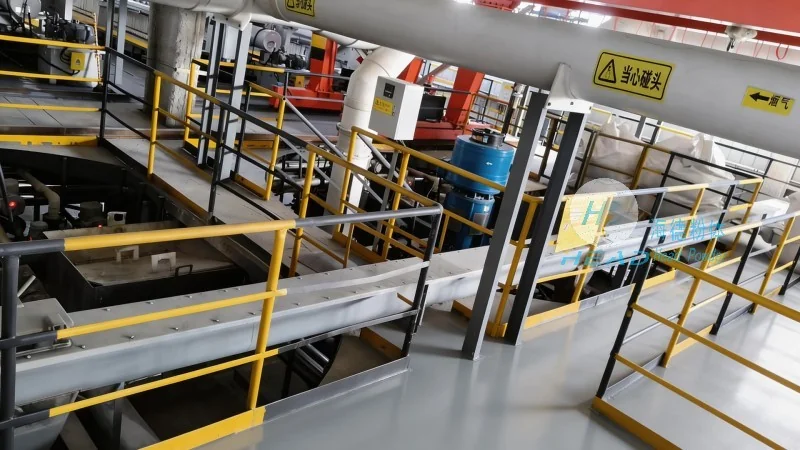
Design Principles for Optimal Performance
The design principles of ash material handling equipment prioritize efficiency, safety, and adaptability. A key principle is energy efficiency, achieved through variable speed drives that adjust motor speed based on load, reducing energy consumption. This not only lowers operational costs but also aligns with sustainability goals. Another principle is the minimization of material loss and contamination, achieved through sealed systems and proper sealing mechanisms to prevent ash from escaping into the environment.
Design also considers ease of maintenance and access to critical components. This allows for quick repairs and reduces downtime, ensuring continuous operation. The equipment is engineered to handle varying ash compositions, ensuring consistent performance under different conditions. Additionally, safety features such as emergency stop buttons and protective guards are integrated to protect operators and prevent accidents.
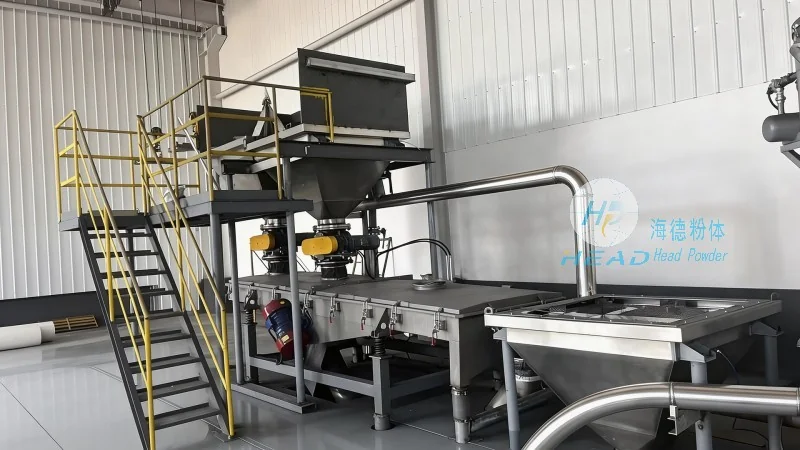
Applications and Industry Impact
Ash material handling equipment is integral to the operations of power plants, waste-to-energy facilities, and industrial incinerators. In coal-fired power plants, it transports bottom ash from boilers to storage or disposal areas, facilitating efficient plant management. In waste-to-energy plants, it handles both bottom and fly ash, supporting recycling efforts and reducing landfill usage. The equipment also plays a role in industrial incineration, where it transports ash from the incinerator to treatment or disposal facilities.
The effective design and operation of ash handling systems have a significant impact on industrial performance. By ensuring efficient ash transport, these systems contribute to higher plant throughput, reduced operational costs, and improved environmental performance. Furthermore, advanced material handling technology helps minimize the environmental impact of ash disposal, supporting sustainable industrial practices.
Conclusion
In conclusion, ash material handling equipment is a vital component in managing ash byproducts from industrial and energy facilities. The design principles, which focus on efficiency, safety, and durability, are tailored to handle the unique properties of ash. Companies like Shandong HeadPowder Engineering Co., Ltd., based in China, specialize in the development and manufacturing of such equipment, providing customized solutions to meet client needs. The continued advancement in material handling technology ensures that ash transport systems will remain essential in maintaining the operational efficiency and environmental responsibility of modern industrial operations.




