When it comes to the processing and transportation of lithium carbonate, the material handling conveyor system plays a crucial role in ensuring efficiency and safety. This article aims to explore the concept of a lithium carbonate material handling conveyor and delve into the fundamental design principles that underpin its operation.
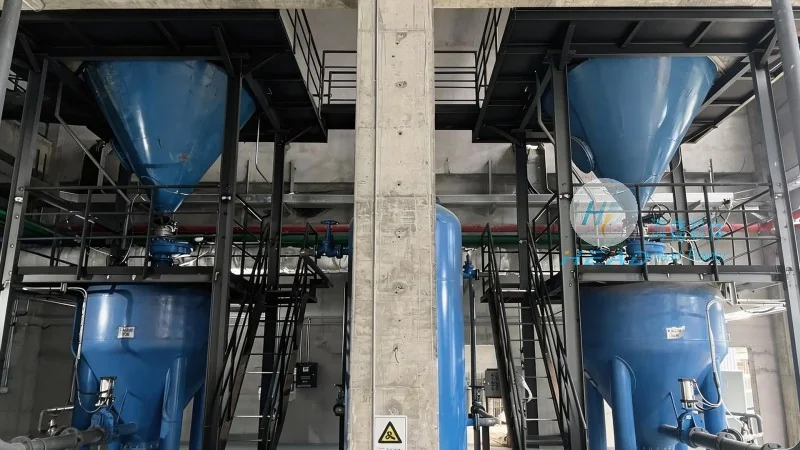
Introduction to Lithium Carbonate Material Handling Conveyors
Lithium carbonate is a critical raw material in the production of lithium-ion batteries, which are integral to modern electronics and renewable energy storage systems. The material handling conveyor, specifically designed for lithium carbonate, is a specialized equipment used to transport this material from one processing stage to another within a manufacturing facility. These conveyors are engineered to handle the unique properties of lithium carbonate, such as its fine powder form and potential for dust generation, while maintaining high levels of operational efficiency and safety standards.
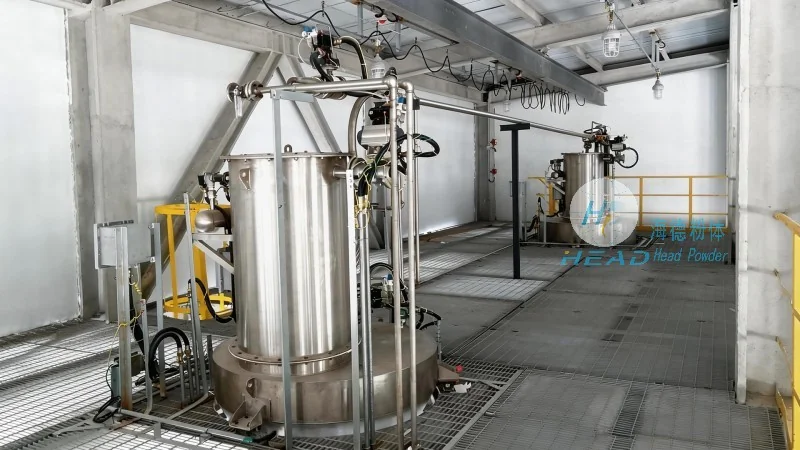
Key Components of a Lithium Carbonate Material Handling Conveyor
The design of a lithium carbonate material handling conveyor typically involves several key components that work in tandem to ensure smooth material transport. These components include the conveyor belt or conveyor chain, which serves as the primary transport medium; the drive system, which provides the necessary power to move the material; and the support structure, which maintains the conveyor's alignment and stability. Additionally, specialized features such as dust suppression systems, material feeding mechanisms, and safety sensors are often integrated to address the specific challenges associated with handling lithium carbonate.
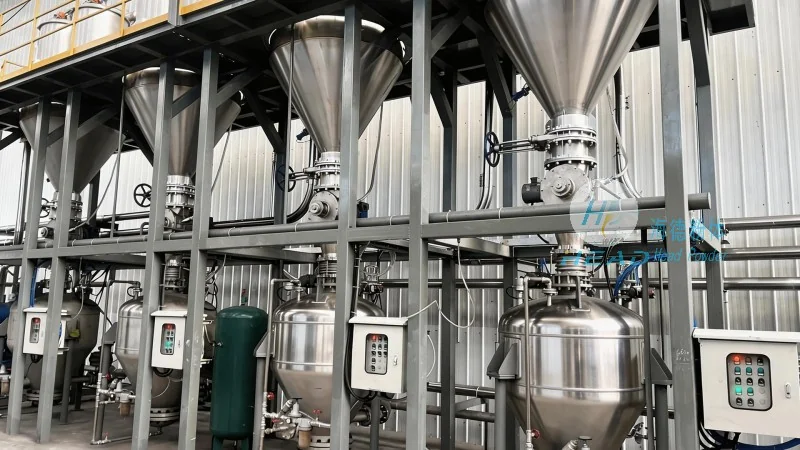
Design Principles for Efficient Lithium Carbonate Conveying
The design principles of a lithium carbonate material handling conveyor are centered on optimizing material flow, minimizing dust exposure, and ensuring operational reliability. One of the primary design considerations is the selection of appropriate conveyor materials, such as food-grade or industrial-grade plastics, which are resistant to chemical corrosion and can handle the abrasive nature of lithium carbonate powder. The conveyor's slope and speed are also carefully calculated to prevent material buildup and ensure consistent flow rates. Furthermore, the integration of dust collection and filtration systems is essential to maintain a safe working environment and comply with environmental regulations.
Operational Considerations and Safety Measures
Operational efficiency and safety are paramount when operating a lithium carbonate material handling conveyor. Regular maintenance and inspection of the conveyor components are necessary to prevent mechanical failures and ensure consistent performance. The use of enclosed conveyor systems and proper ventilation can help minimize dust exposure and reduce the risk of respiratory issues among operators. Additionally, implementing safety protocols, such as emergency stop buttons and access control systems, is crucial to protect personnel and equipment during operation.
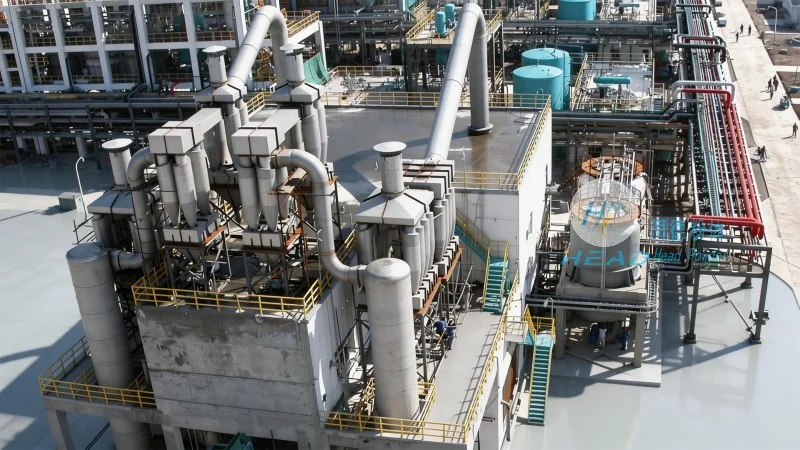
About Shandong HeadPowder Engineering Co., Ltd.
Shandong HeadPowder Engineering Co., Ltd., commonly known as HeadPowder, is a leading manufacturer of specialized material handling equipment for the chemical and battery industries. With a strong commitment to quality and innovation, HeadPowder has developed advanced solutions for the processing and transportation of lithium carbonate and other fine materials. The company's facilities are located in Shandong, China, where it leverages its expertise to deliver reliable and efficient conveyor systems tailored to the specific needs of its clients.




