High-pressure dense-phase material conveying lines represent a sophisticated method for transporting bulk materials, particularly in industries where efficiency, product integrity, and safety are paramount. This technology is designed to move powders, granules, and other particulate materials through pipelines under high pressure, creating a dense, plug-like flow that minimizes material degradation and ensures consistent delivery. Understanding the fundamentals of these systems and their design principles is crucial for industries such as pharmaceuticals, food processing, chemicals, and mining.
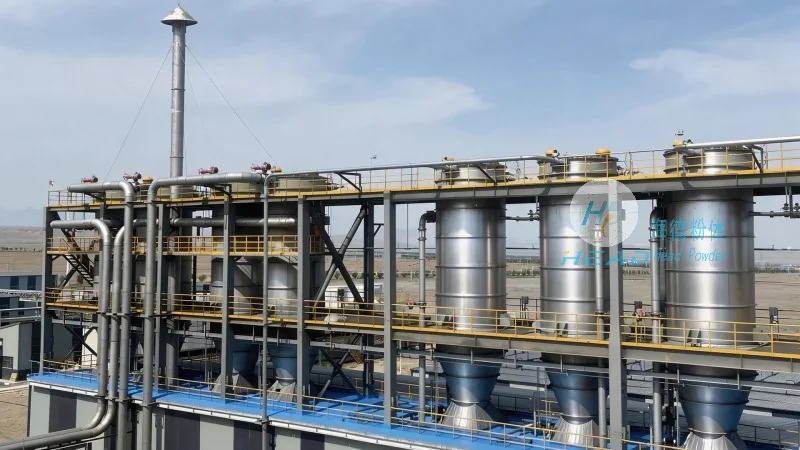
What is a High-Pressure Dense-Phase Material Conveying Line?
A high-pressure dense-phase material conveying line is a closed-loop system that uses compressed air or other gases to transport bulk materials through a network of pipes. The core principle involves pressurizing the material to a high density, typically by injecting air or gas into the material stream, which creates a solid plug that moves through the pipeline. This method is distinct from traditional pneumatic conveying, as it operates at higher pressures and lower air-to-material ratios, resulting in more efficient and reliable material transport. The system is particularly effective for materials that are prone to segregation, agglomeration, or degradation when handled by other means, such as traditional vacuum or low-pressure systems.
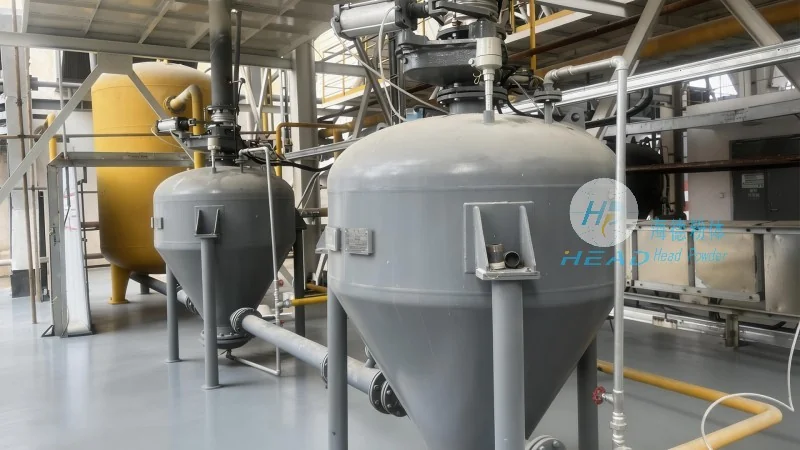
Design Principles of High-Pressure Dense-Phase Conveying Systems
The design of a high-pressure dense-phase conveying line is governed by several critical principles aimed at optimizing performance, ensuring safety, and maintaining material quality. First, the system must be engineered to handle the specific characteristics of the material being conveyed, including its particle size, density, flowability, and moisture content. Engineers must consider the material's compressibility and how it behaves under pressure to prevent blockages or uneven flow. Second, the pressure control is a key design element. The system typically operates at pressures ranging from 7 to 20 bar (100 to 300 psi), depending on the material and pipeline length. Precise pressure regulation is essential to maintain a consistent plug flow and avoid excessive energy consumption or equipment wear. Third, the pipeline design is critical. The diameter and length of the pipes are carefully calculated to minimize pressure drop and ensure that the material maintains its dense phase throughout the conveying process. The use of smooth, corrosion-resistant materials for the pipes is also essential to prevent material buildup and ensure long-term reliability.
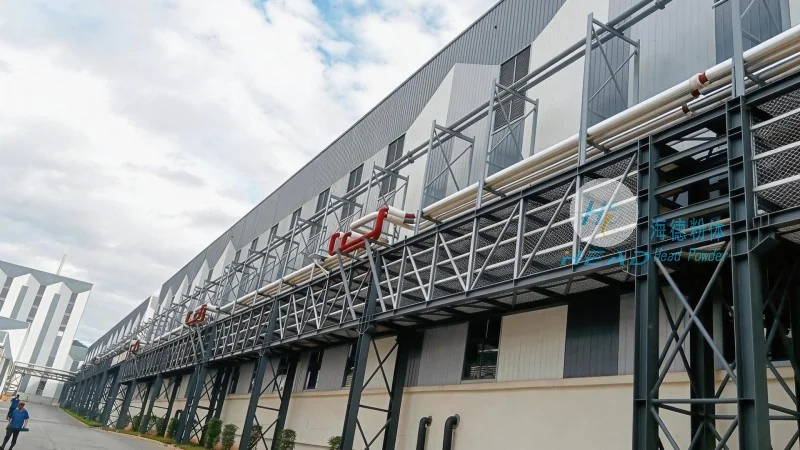
Key Components and Their Functions in the System
Several key components work together to ensure the efficient operation of a high-pressure dense-phase conveying line. The primary component is the conveying pump, which is responsible for generating the high pressure required to move the material. There are different types of pumps, including rotary lobe pumps and piston pumps, each with its own advantages depending on the material and application. The pump is connected to a hopper or feeder that feeds the material into the system, ensuring a consistent flow rate. The pipeline network connects the pump to the discharge point, with valves and regulators controlling the pressure and flow. The system also includes filters and separators to remove any air or debris that may be present in the material, preventing clogging and maintaining system efficiency. Additionally, safety features such as pressure relief valves and emergency shut-off systems are integrated to protect the equipment and personnel from potential hazards.
Application Scenarios and Industry Uses
High-pressure dense-phase material conveying lines are widely used in various industries due to their ability to handle a broad range of materials and their efficiency in transporting them over long distances. In the pharmaceutical industry, these systems are used to transport active pharmaceutical ingredients (APIs) and excipients, ensuring that the materials remain intact and free from contamination. In the food processing industry, they are used to convey ingredients such as flour, sugar, and spices, maintaining the quality and freshness of the products. The chemical industry utilizes these systems for transporting powders like catalysts, pigments, and specialty chemicals, where maintaining the material's properties is critical. In the mining and minerals sector, high-pressure dense-phase conveying is used to transport ores and other bulk materials from processing plants to storage or shipping facilities, improving operational efficiency and reducing handling costs. Overall, the versatility and reliability of these systems make them a preferred choice for industries that require precise and safe material transport.
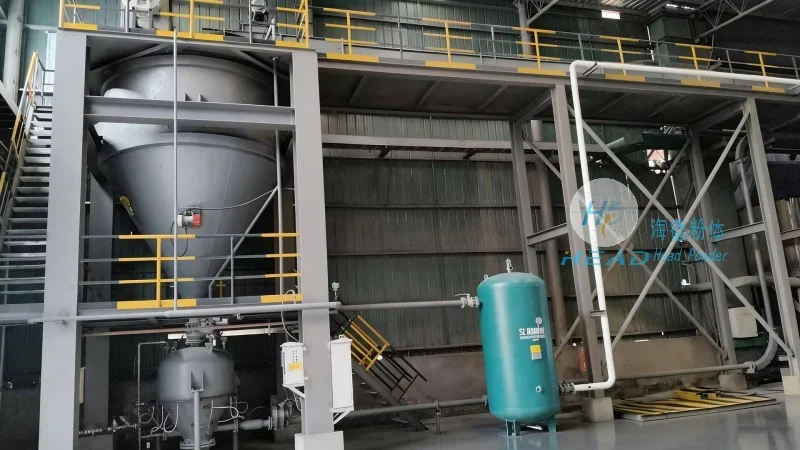
About Shandong HeadPowder Engineering Co., Ltd.
Shandong HeadPowder Engineering Co., Ltd. is a leading manufacturer and supplier of high-pressure dense-phase material conveying systems, with a strong focus on innovation and customer satisfaction. The company is headquartered in Shandong, China, and has established itself as a trusted partner for industries seeking reliable and efficient material handling solutions. With years of experience in the field, HeadPowder Engineering has developed a range of customized conveying systems tailored to the specific needs of its clients. The company's products are designed to meet international standards for safety and performance, ensuring that they are suitable for use in a variety of industrial applications. HeadPowder Engineering's commitment to quality and customer service has earned it a reputation as a leading provider of material conveying solutions in the industry.




