Diatomite, a natural sedimentary rock composed primarily of fossilized diatoms, is widely used in various industrial applications due to its unique properties such as high porosity, low bulk density, and excellent filtration capabilities. The efficient handling and transportation of diatomite powder are crucial for industrial processes, as these materials often require precise control to maintain quality and ensure smooth production flow. This article explores the concept of diatomite powder material handling equipment and delves into the fundamental design principles that underpin their functionality.
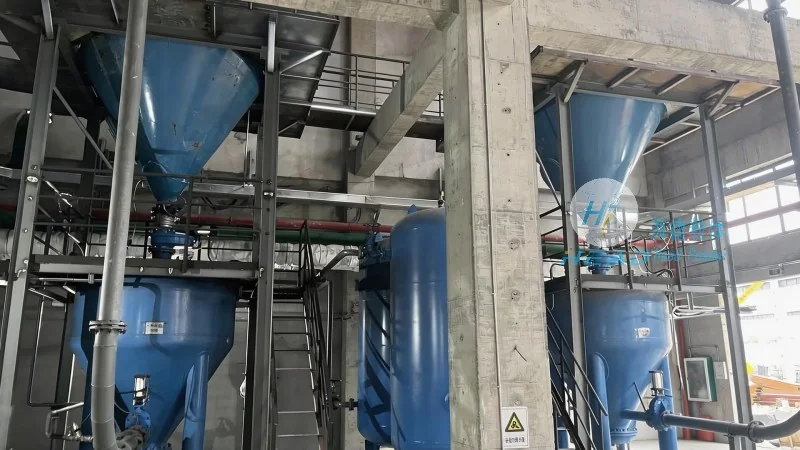
Understanding Diatomite Powder Material Handling Equipment
Diatomite powder material handling equipment refers to a range of machinery and systems engineered to transport, store, and process diatomite powder. These systems are designed to address the specific challenges associated with handling fine, lightweight powders, which can be prone to dust generation, segregation, and flow irregularities. The equipment typically includes components such as feeders, conveyors, storage silos, and control systems, all tailored to the unique characteristics of diatomite. By integrating advanced engineering solutions, these systems ensure that diatomite powder is handled safely, efficiently, and in compliance with industrial standards.
Key Design Principles for Diatomite Powder Handling Equipment
The design of diatomite powder material handling equipment is guided by several critical principles aimed at optimizing performance and reliability. One of the primary considerations is the prevention of material degradation and loss. Diatomite is a delicate material, and improper handling can lead to clumping, agglomeration, or degradation of its structural properties. Therefore, equipment design emphasizes features like smooth surfaces, minimal friction, and gentle material flow to maintain the powder's integrity. Additionally, the equipment must address the challenges of dust control and environmental safety, as diatomite powders can create airborne particles that require effective containment and filtration.
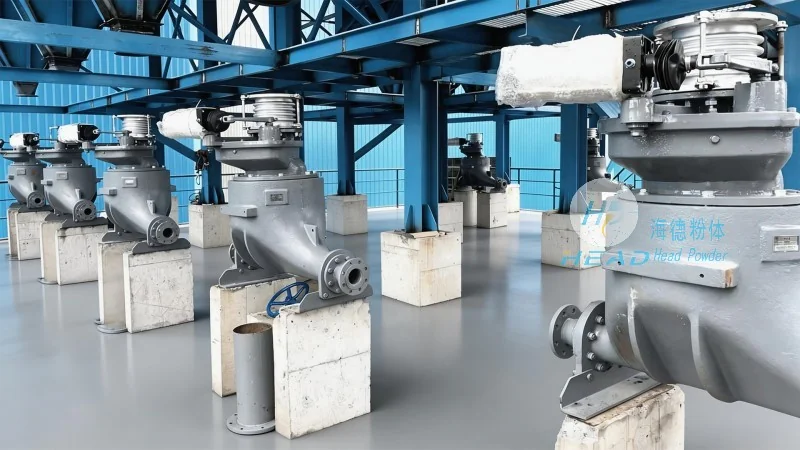
Another essential design principle is the optimization of material flow and storage. Diatomite powder often exhibits cohesive properties, which can cause bridging or rat-holing in storage silos. To mitigate these issues, equipment incorporates features such as agitators, vibrators, or air-swept systems to ensure consistent material flow. The design also focuses on energy efficiency, as diatomite handling systems may operate continuously over long periods. By integrating energy-saving components and efficient drive systems, the equipment minimizes operational costs while maintaining high performance.
Components and Functionalities of Diatomite Powder Handling Systems
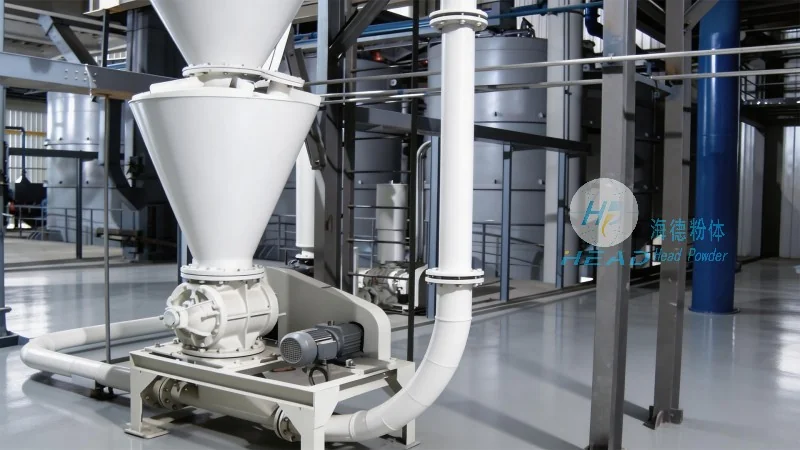
The functionality of diatomite powder material handling equipment is achieved through a combination of specialized components working in harmony. Feeders, such as rotary or vibratory feeders, are used to regulate the flow of diatomite from storage silos to downstream processing equipment. These feeders are designed to handle fine powders without causing blockages or uneven flow. Conveyors, including belt or pneumatic systems, transport the powder to various locations within the production facility. Pneumatic conveying systems, in particular, are advantageous for diatomite due to their ability to handle lightweight powders over long distances with minimal dust generation.
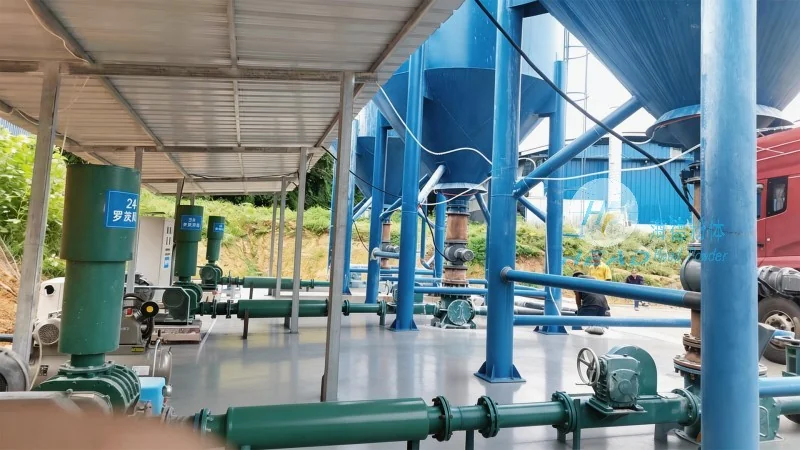
Storage silos are another critical component, designed to hold large quantities of diatomite powder while preventing segregation and maintaining consistent quality. These silos often feature internal agitators or vibrators to prevent material settling and ensure uniform flow. Control systems, including sensors and automation software, monitor key parameters such as flow rate, pressure, and level, providing real-time feedback to operators and ensuring optimal operation. The integration of these components results in a cohesive system that efficiently handles diatomite powder from receipt to processing.
The Role of Material Properties in Equipment Design
The unique physical and chemical properties of diatomite significantly influence the design of handling equipment. Diatomite is a lightweight, porous material with a low bulk density, which affects how it behaves in storage and transport. Its fine particle size makes it susceptible to dust generation and requires careful consideration of filtration and containment measures. The equipment must also account for the material's tendency to stick to surfaces, as this can lead to equipment wear and operational inefficiencies. Engineers design equipment with non-stick coatings or self-cleaning mechanisms to address these challenges and ensure long-term reliability.
Applications and Industry Relevance
Diatomite powder material handling equipment is widely used across various industries, including filtration, cosmetics, and construction. In the filtration industry, diatomite is used as a filter aid, and efficient handling ensures consistent quality in filtration processes. In cosmetics, diatomite is used as an exfoliant and absorbent, requiring precise control to maintain product consistency. The construction industry utilizes diatomite as a lightweight aggregate in concrete and other building materials, where uniform powder handling is critical for achieving desired properties. The versatility of diatomite and the reliability of handling equipment make them indispensable in these applications.
Conclusion
In conclusion, diatomite powder material handling equipment is a specialized and essential component of industrial operations, designed to address the unique challenges of handling fine, lightweight powders. The design principles, including material integrity preservation, dust control, and efficient flow management, are critical to ensuring optimal performance. By integrating advanced engineering solutions and tailored components, these systems enable industries to utilize diatomite effectively while maintaining safety and efficiency. As a leading provider in this field, Shandong HeadPowder Engineering Co., Ltd. specializes in designing and manufacturing high-quality diatomite powder handling equipment, ensuring that clients receive reliable and efficient solutions tailored to their specific needs.




