When it comes to handling nickel powder in industrial settings, the nickel powder material handling line plays a crucial role in ensuring efficient and safe material transport. This system is specifically designed to manage the movement of nickel powder from one location to another within a production facility or processing plant. Understanding the components and design principles of such a line is essential for optimizing operational efficiency and maintaining product quality.
Understanding the Nickel Powder Material Handling Line
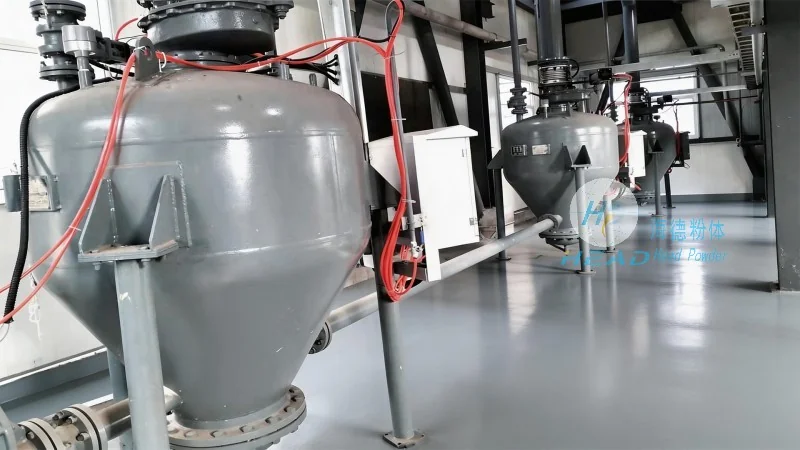
The nickel powder material handling line is a specialized system engineered to handle the unique properties of nickel powder. Nickel powder, due to its fine particle size and potential for static electricity, requires careful handling to prevent issues like dust explosions or material loss. The line typically includes components such as feeders, conveyors, storage silos, and control systems, all working in tandem to ensure smooth material flow. The primary goal is to maintain consistent material flow rates, minimize material degradation, and ensure safety throughout the handling process.
Key Design Principles for the Material Handling Line
Designing an effective nickel powder material handling line involves adhering to several critical principles. First, the system must address the challenges posed by nickel powder's physical characteristics, including its fine particle size and tendency to generate static electricity. To mitigate these issues, the design incorporates features like anti-static materials, proper grounding, and controlled environments to prevent dust accumulation and potential hazards. Second, the line is engineered for high efficiency and reliability, with components selected to handle the specific demands of nickel powder processing. This includes using appropriate conveyor types, such as pneumatic or mechanical conveyors, that can handle fine powders without causing blockages or degradation. Third, the system emphasizes safety and compliance with industrial standards, incorporating features like dust collection systems, explosion-proof designs, and regular maintenance protocols to ensure long-term operational safety.
Components of a Typical Nickel Powder Material Handling Line
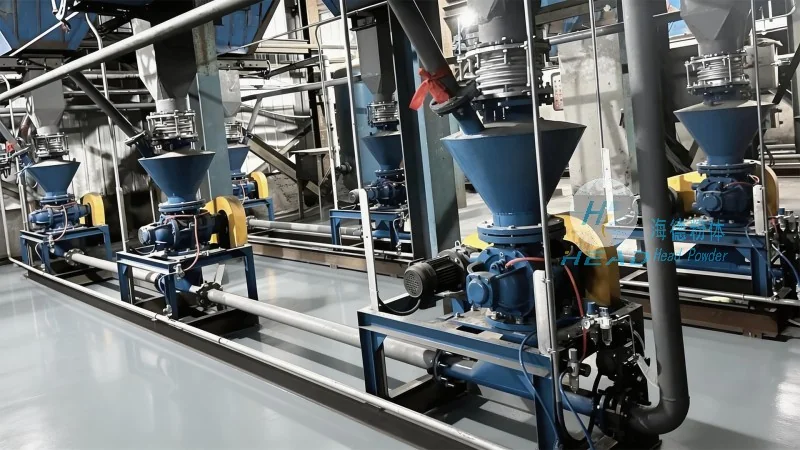
A typical nickel powder material handling line consists of several interconnected components, each serving a specific function in the material flow process. The feed section is where the nickel powder is initially introduced into the system, often from a storage silo or hopper. This section may include a rotary valve or feeder to control the flow rate and prevent material buildup. The conveyor system then transports the powder to the next stage, which could be a processing unit or a storage area. Common conveyor types for nickel powder include pneumatic conveying systems, which use air to move the powder through pipes, or mechanical conveyors like screw conveyors or belt conveyors, which are suitable for larger volumes or when a closed system is required. The storage section, often a silo or hopper, is designed to hold the powder in a controlled environment, with features like aeration or temperature control to maintain product quality. Finally, the control system monitors and regulates the entire process, ensuring that the flow rate, pressure, and other parameters remain within optimal ranges. This system may include sensors, valves, and a control panel to provide real-time feedback and adjust operations as needed.
The Role of Material Handling in Nickel Powder Processing
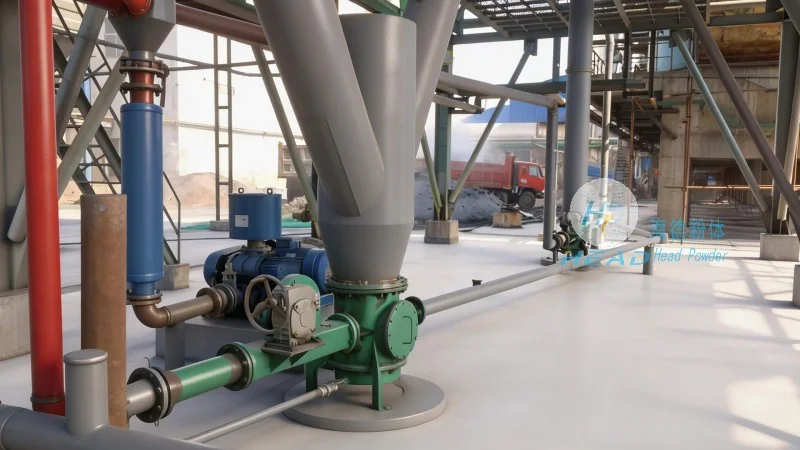
The nickel powder material handling line is integral to the overall nickel powder processing workflow. It ensures that the powder is moved efficiently from raw material storage to processing equipment, such as mixers, extruders, or sintering furnaces. The smooth operation of this line directly impacts the quality of the final product, as any disruptions or material degradation during transport can affect the end product's properties. Additionally, the system helps maintain a consistent supply of nickel powder to the processing stages, preventing production bottlenecks and ensuring that the manufacturing process runs smoothly. By integrating advanced design principles and components, the material handling line supports the entire production cycle, from raw material input to finished product output.
Conclusion: The Importance of a Well-Designed Material Handling Line
In conclusion, the nickel powder material handling line is a critical component in any facility that processes nickel powder. Its design must address the unique challenges of handling fine powders, including static electricity, dust hazards, and material degradation. By incorporating anti-static measures, efficient conveyor systems, and robust control mechanisms, the line ensures safe and efficient material transport. The system's components work together to maintain consistent flow rates, minimize product loss, and comply with industrial safety standards. For companies like Shandong HeadPowder Engineering Co., Ltd., based in China, the development and implementation of such systems are essential for meeting the demands of modern nickel powder processing. The expertise and engineering capabilities of such companies are vital in creating customized material handling solutions that meet the specific needs of their clients, ensuring optimal performance and reliability in nickel powder processing operations.




