Understanding the Dust Collector Ash Material Conveying Line and Its Design Principles
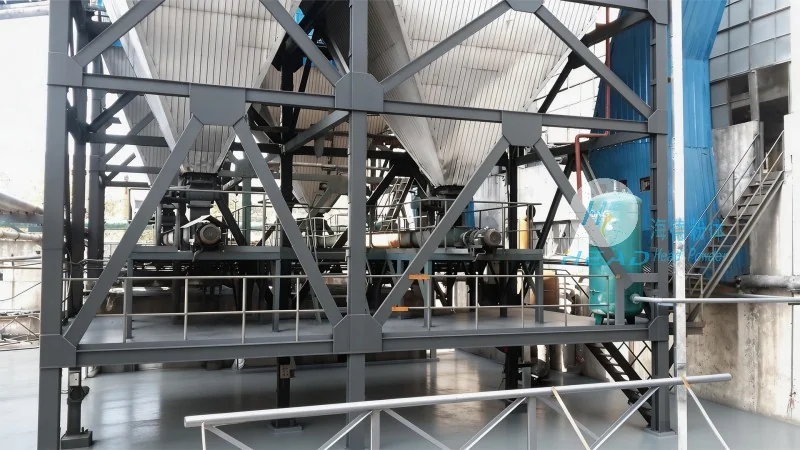
Introduction to Dust Collector Ash Material Conveying Lines
A dust collector ash material conveying line is a specialized system engineered to handle and transport ash or other fine particulate materials that are collected by industrial dust collectors. These systems are crucial in various industrial applications, particularly in power plants, cement factories, and other facilities where large volumes of dust and ash are generated during production processes. The primary function of such a conveying line is to efficiently collect, transport, and dispose of these materials, ensuring compliance with environmental regulations and maintaining operational efficiency. The design of these lines is tailored to the specific characteristics of the ash, such as its moisture content, particle size, and corrosive properties, to ensure reliable and safe operation.
Key Components of a Dust Collector Ash Material Conveying Line
The effective operation of a dust collector ash material conveying line relies on several key components that work in tandem to achieve the desired results. These components include:
1. Dust Collector: The initial stage where dust and ash are captured from the air stream. The efficiency of the dust collector directly impacts the quality of the material being conveyed.
2. Ash Hopper or Collection Bin: A container that stores the collected ash before it is transferred to the conveying system. The hopper is typically designed to handle the bulk of the ash and may include features like level sensors to monitor the material level.
3. Conveying Equipment: This is the core of the system, responsible for transporting the ash from the hopper to the disposal or processing area. Common types of conveying equipment include screw conveyors, pneumatic conveying systems, and belt conveyors, each chosen based on the specific characteristics of the ash and the operational requirements.
4. Control System: An automated system that monitors and controls the operation of the conveying line. This includes sensors for material level, pressure, and flow, as well as control panels that allow operators to manage the system's functions, ensuring safe and efficient operation.
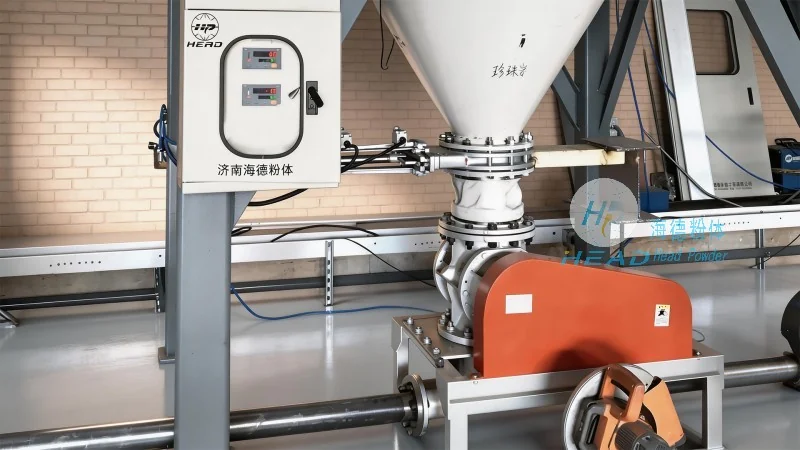
Design Principles for Dust Collector Ash Material Conveying Lines
The design of a dust collector ash material conveying line is based on several fundamental principles aimed at optimizing performance, safety, and cost-effectiveness. These principles include:
1. Material Compatibility: The design must consider the chemical and physical properties of the ash, such as its moisture content, particle size distribution, and potential corrosiveness. This ensures that the conveying equipment and materials of construction are suitable for the specific application, preventing degradation or failure over time.
2. Efficiency and Capacity: The system is designed to handle the expected volume of ash at a consistent rate. This involves selecting the appropriate conveying equipment with sufficient capacity to avoid bottlenecks or overloading, which can lead to system failure or reduced efficiency.
3. Safety and Environmental Compliance: The design incorporates safety features to prevent accidents, such as overfilling, blockages, or leaks. Additionally, the system is engineered to minimize dust emissions and comply with environmental regulations, ensuring that the operation is environmentally responsible.
4. Reliability and Maintenance: The system is designed for long-term reliability, with components that are easy to maintain and replace. This includes using durable materials and providing access points for routine inspections and maintenance, reducing downtime and operational costs.
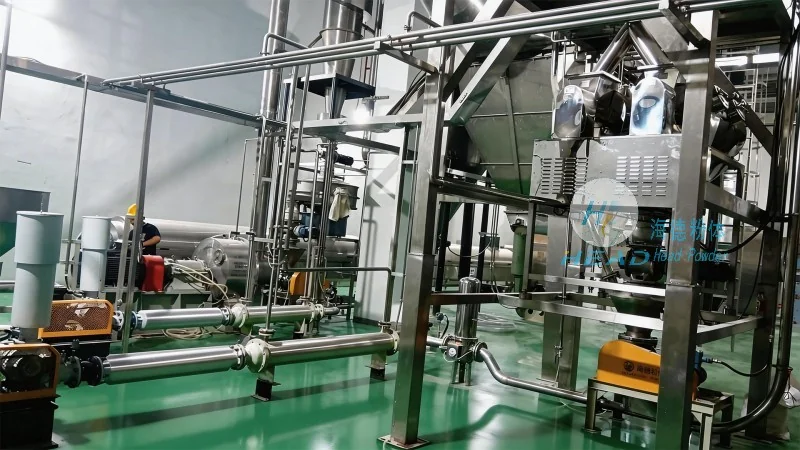
Applications and Benefits of Dust Collector Ash Material Conveying Lines
Dust collector ash material conveying lines are widely used in various industrial sectors, including:
1. Power Generation: In coal-fired power plants, these systems are essential for transporting fly ash from the electrostatic precipitators or baghouse filters to storage or disposal sites.
2. Cement Manufacturing: Cement factories generate large amounts of ash from the calcination process, and conveying lines are used to transport this material to the clinker production line or for disposal.
3. Industrial Manufacturing: Other industries, such as steel production and chemical processing, also use these systems to handle dust and ash generated during various production steps.
The benefits of implementing a well-designed dust collector ash material conveying line include improved operational efficiency, reduced labor costs, enhanced safety, and compliance with environmental regulations. By effectively managing the ash, these systems contribute to the overall sustainability and profitability of industrial operations.
About Shandong HeadPowder Engineering Co., Ltd.
Shandong HeadPowder Engineering Co., Ltd., commonly known as HeadPowder, is a leading provider of dust collector ash material conveying line solutions. With a strong commitment to innovation and quality, HeadPowder specializes in designing and manufacturing customized conveying systems tailored to the specific needs of industrial clients. The company's expertise lies in understanding the unique challenges of ash handling and developing solutions that ensure reliable, efficient, and safe operation. HeadPowder's products are engineered to meet the highest standards of performance and durability, providing long-term value to its customers. Based in Shandong, China, HeadPowder serves clients globally, delivering comprehensive solutions that enhance industrial productivity and environmental responsibility.




