When it comes to the oil and gas industry, especially in hydraulic fracturing operations, the efficient and reliable transportation of frac sand is crucial. A frac sand material handling system, also known as a frac sand conveyor system, is a specialized piece of equipment designed to transport frac sand from storage areas to the fracturing site. This system plays a vital role in ensuring the smooth operation of fracking processes, as it directly impacts the speed and consistency of the fracturing operation. In this article, we will explore what a frac sand material handling system is and delve into its fundamental design principles.
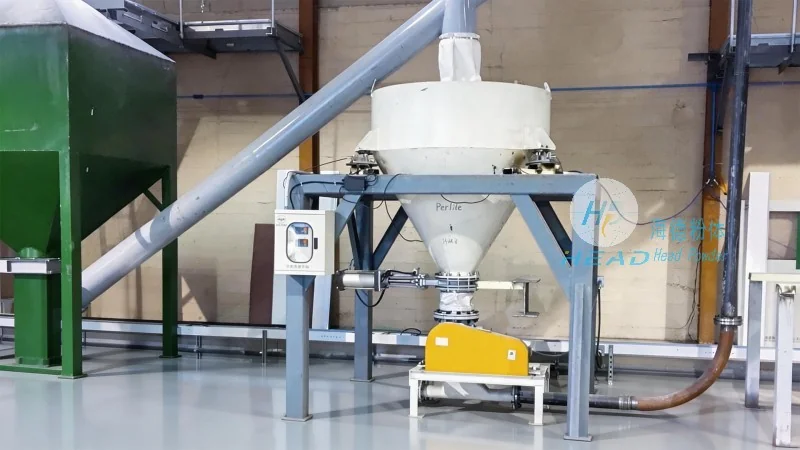
Understanding the Frac Sand Material Handling System
At its core, a frac sand material handling system is a comprehensive setup that includes various components such as silos, conveyors, feeders, and sometimes screening or drying equipment. The primary function of this system is to handle frac sand, which is a critical proppant used in hydraulic fracturing to keep the fractures open after the fracturing fluid is pumped out. The system is engineered to move frac sand from storage silos to the fracturing trucks or directly to the well site, ensuring a continuous and uninterrupted supply. The components work in harmony to maintain the quality and consistency of the frac sand, which is essential for the effectiveness of the fracturing process.
Key Design Principles of Frac Sand Material Handling Systems
The design of a frac sand material handling system is based on several key principles aimed at optimizing performance, efficiency, and durability. These principles are tailored to meet the demanding requirements of the oil and gas industry, where reliability and efficiency are paramount. Let's explore the main design principles that define a robust frac sand handling system.
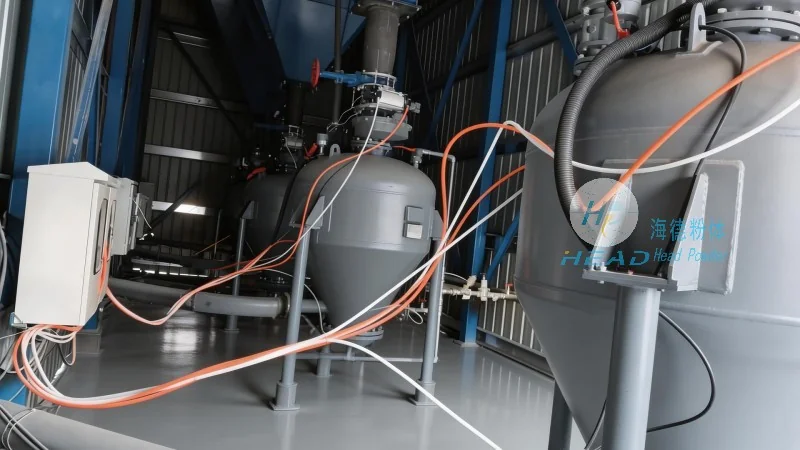
1. Material Flow and Storage Efficiency
One of the fundamental design principles is the efficient management of material flow and storage. The system typically includes large storage silos that can hold substantial quantities of frac sand, ensuring a steady supply for extended periods. The silos are designed with features like aeration and moisture control to maintain the quality of the sand. The feeders and conveyors are sized and configured to handle the volume of sand required, preventing bottlenecks and ensuring a smooth flow from storage to the point of use. This principle is crucial for minimizing downtime and maximizing operational efficiency.
2. Equipment Durability and Wear Resistance
Given the abrasive nature of frac sand, the equipment used in the material handling system must be highly durable and resistant to wear. Components such as hoppers, chutes, and conveyor belts are constructed from materials like high-strength steel or specialized alloys that can withstand the constant impact and friction caused by the sand. The design incorporates features like reinforced liners and wear-resistant coatings to extend the service life of the equipment. This durability is essential for reducing maintenance costs and ensuring consistent performance over the long term.
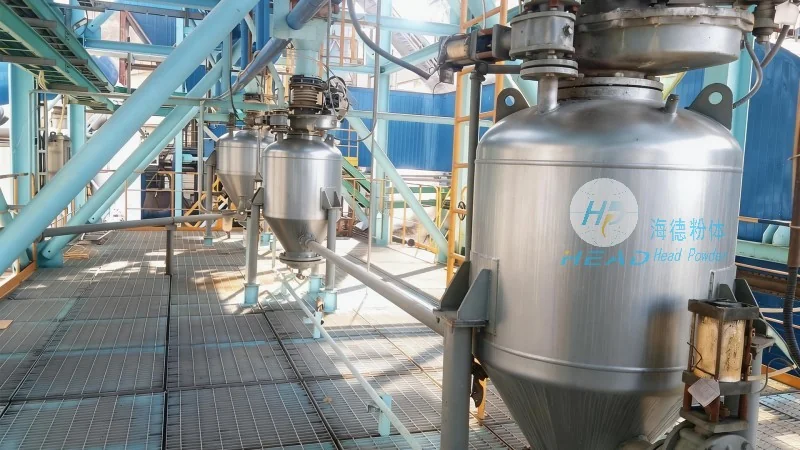
3. Control and Automation for Precision
Modern frac sand material handling systems often incorporate advanced control and automation technologies to enhance precision and operational control. These systems use sensors, control panels, and programmable logic controllers (PLCs) to monitor and regulate the flow of sand. Automation allows for precise control of feed rates, ensuring that the correct amount of sand is delivered to the fracturing trucks or well site. This not only improves the consistency of the fracturing process but also reduces the risk of over or under feeding, which can impact the effectiveness of the treatment. The integration of automation also enables remote monitoring and operation, enhancing safety and operational flexibility.
4. Safety and Environmental Considerations
Designing a frac sand material handling system also involves careful consideration of safety and environmental factors. The system is engineered to minimize dust generation and contain any potential spills or leaks, protecting both personnel and the environment. Features such as dust collection systems, sealed hoppers, and proper ventilation are incorporated to maintain a safe working environment. Additionally, the system is designed to comply with relevant safety and environmental regulations, ensuring that it operates in an environmentally responsible manner. These considerations are vital for maintaining a safe and sustainable operation.
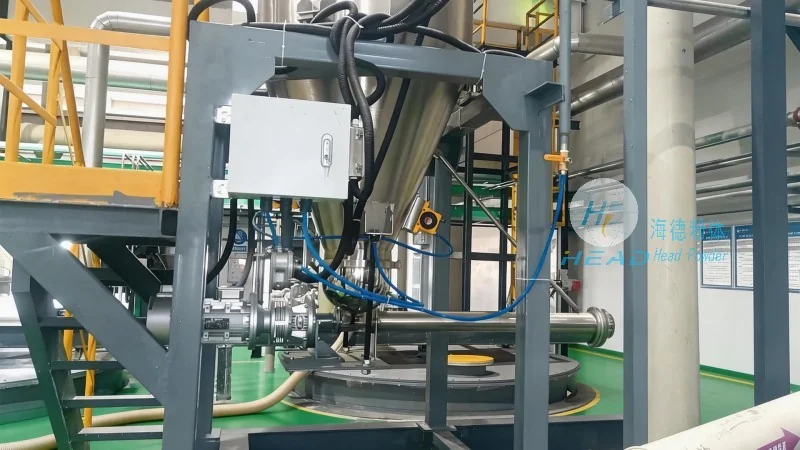
5. Scalability and Flexibility
Another important design principle is the scalability and flexibility of the system. The frac sand material handling system is designed to be adaptable to different operational needs and can be scaled up or down based on the requirements of the project. This flexibility allows the system to accommodate varying sand volumes and different well site configurations. The modular design of the system enables easy expansion or reconfiguration as the needs of the operation evolve. This scalability ensures that the system remains effective and efficient even as the project grows or changes.
Conclusion
In conclusion, a frac sand material handling system is a critical component in hydraulic fracturing operations, designed to efficiently transport frac sand from storage to the well site. The design principles of such a system focus on material flow efficiency, equipment durability, precision control, safety, and scalability. By adhering to these principles, the system ensures the smooth and reliable operation of the fracturing process, contributing to the success of oil and gas extraction projects. The expertise of companies like Shandong HeadPowder Engineering Co., Ltd., based in China, plays a significant role in developing and implementing these advanced material handling systems, providing reliable solutions for the oil and gas industry.




