Clay material handling is a specialized field within industrial material processing that focuses on the efficient and safe transportation of clay-based materials. This process is crucial in various industries, including ceramics, brick manufacturing, and construction, where clay is a primary raw material. The effective handling of clay requires careful consideration of its unique physical properties, such as high moisture content, variable particle size, and cohesive behavior. Understanding these characteristics is fundamental to designing a system that can reliably move clay from one location to another without degradation or loss of quality.
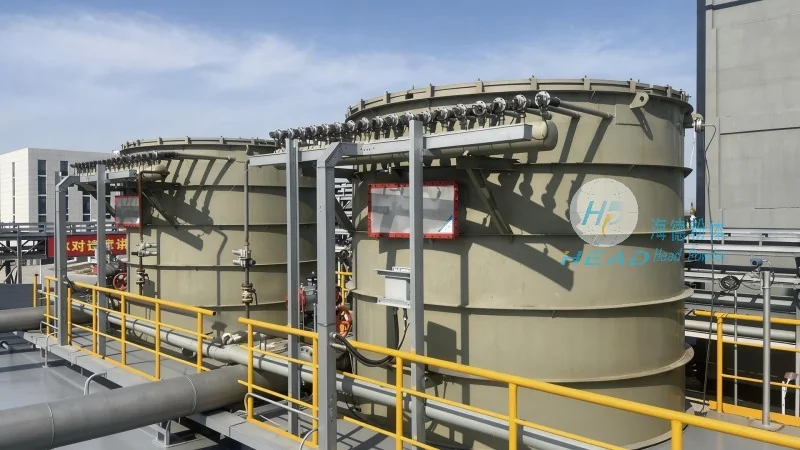
At Shandong HeadPowder Engineering Co., Ltd., we specialize in providing tailored solutions for clay material handling. Our approach is centered on a comprehensive understanding of the material's behavior and the specific operational requirements of our clients. By integrating advanced engineering principles with practical field experience, we develop systems that optimize performance, reduce operational costs, and ensure compliance with industry standards.
Key Design Considerations for Clay Material Handling Systems
One of the key design principles in clay material handling is the selection of appropriate equipment that can handle the material's cohesive nature. Traditional methods, such as belt conveyors or bucket elevators, may struggle with clay due to its tendency to stick to surfaces. To address this, specialized equipment like screw conveyors, pneumatic conveyors, and bucket elevators with anti-stick coatings are often employed. These systems are designed to minimize material buildup and ensure smooth, continuous flow.
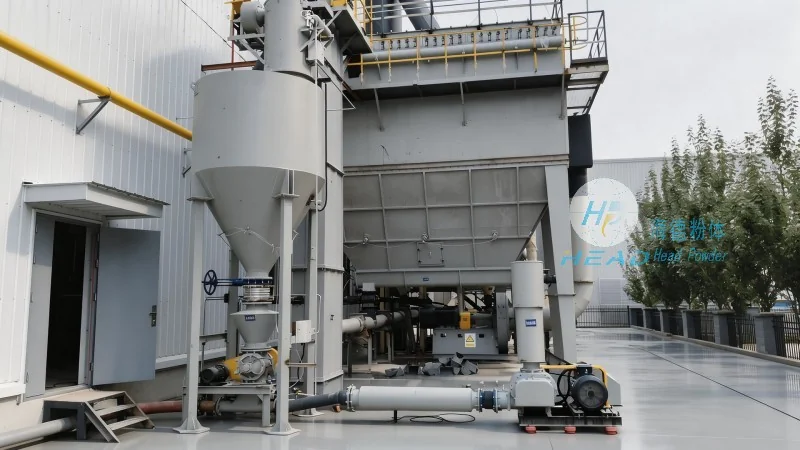
Another critical aspect of clay material handling design is the control of moisture content. Clay's moisture level directly impacts its flowability and the efficiency of the conveying system. Excessive moisture can cause the material to become too sticky, leading to blockages, while insufficient moisture can make it too dry and powdery, resulting in dust generation and reduced conveying efficiency. Therefore, moisture control systems, such as humidifiers or dehumidifiers, are often integrated into the material handling process to maintain optimal moisture levels.
Particle Size Management and Processing
The design of a clay material handling system also involves considerations of the material's particle size distribution. Clay particles can range from fine powders to larger aggregates, and the system must be capable of handling this variability. This often requires the use of multiple stages of processing, including screening, crushing, and blending, to ensure that the material is uniformly sized before it enters the conveying system. Proper sizing not only improves the efficiency of the conveyor but also enhances the quality of the final product, as uniform clay particles contribute to better consistency in manufacturing processes.
Energy Efficiency and Modern Design
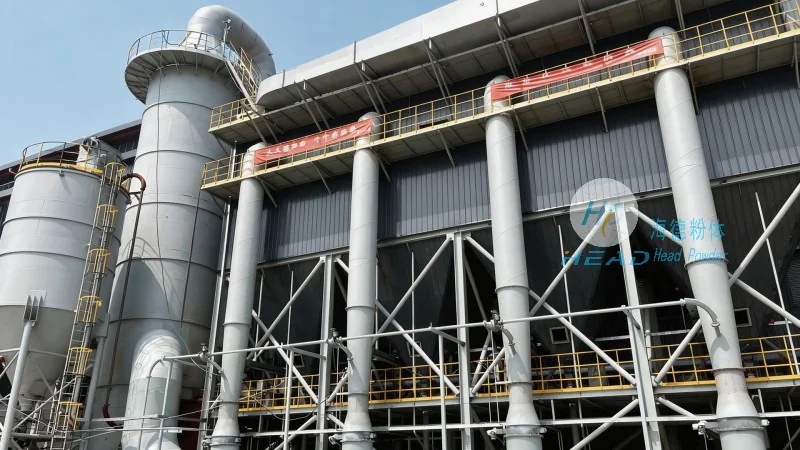
Energy efficiency is another important design principle in modern clay material handling systems. As industries strive to reduce operational costs and environmental impact, the design of the system focuses on minimizing energy consumption. This can be achieved through the selection of energy-efficient motors, the optimization of conveyor speeds, and the use of variable frequency drives (VFDs) to adjust the system's output based on the material load. Additionally, the integration of sensors and automation technologies allows for real-time monitoring of the system's performance, enabling proactive maintenance and further energy savings.
Holistic Approach to System Design at HeadPowder
At HeadPowder, we emphasize the importance of a holistic approach to clay material handling design. Our engineers work closely with clients to understand their specific needs, from raw material characteristics to production goals. By combining theoretical knowledge with practical application, we develop customized solutions that address the unique challenges of each project. Whether it's a new plant setup or the upgrade of an existing system, our team ensures that the final design is not only efficient but also reliable and durable, providing long-term value to our clients.
Environmental and Safety Considerations
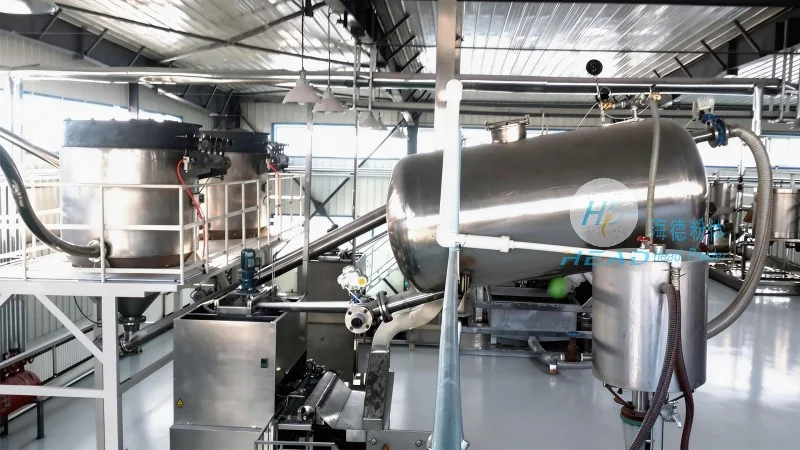
Furthermore, the design of clay material handling systems must consider the environmental and safety aspects of material processing. Clay handling operations can generate dust, which poses health risks to workers and requires proper ventilation and dust control measures. Our systems are designed with dust collection and filtration systems to minimize airborne particles and ensure a safe working environment. Additionally, the equipment is constructed to withstand the corrosive and abrasive nature of clay, using materials like stainless steel or specialized coatings to extend the system's lifespan and reduce maintenance requirements.
Conclusion: Delivering Reliable and Efficient Clay Handling Solutions
In conclusion, clay material handling is a complex process that requires a deep understanding of the material's properties and the application of advanced engineering principles. At Shandong HeadPowder Engineering Co., Ltd., we are committed to delivering high-quality, customized solutions that meet the specific needs of our clients. By focusing on design principles such as equipment selection, moisture control, particle size management, energy efficiency, and safety, we help our clients achieve optimal performance in their clay material handling operations. Our expertise and dedication to quality ensure that our clients receive systems that are not only efficient but also reliable and sustainable for the long term.




