

Silage Powder Pneumatic Conveying Equipment: Exploring Its Function and Design Principles
When it comes to efficiently handling silage powder in agricultural and industrial settings, the silage powder pneumatic conveying equipment has emerged as a crucial solution. This technology enables the transport of silage powder through a pressurized or vacuum system, ensuring a reliable and efficient method for moving this material from one location to another. Understanding what this equipment is and how its design principles work is essential for those in the agricultural or related industries. Developed by Shandong HeadPowder Engineering Co., Ltd. (headpowder), based in Shandong, China, this equipment is designed to meet the specific needs of silage handling.
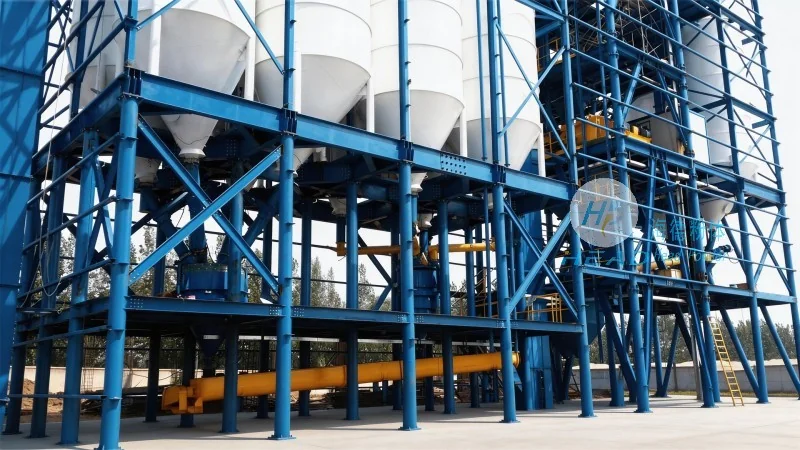
Understanding Silage Powder Pneumatic Conveying Equipment
Silage powder, derived from fermented forage, is commonly used as animal feed. The need to move this material efficiently has led to the development of pneumatic conveying systems. These systems utilize air or gas to transport the powder through a pipeline network. The equipment typically consists of a hopper for material storage, a conveyor line, and a control system to regulate the flow. The primary goal is to minimize material degradation while ensuring consistent and reliable transport. The design of the system is tailored to handle the unique properties of silage powder, such as its moisture content and particle size, ensuring optimal performance in various applications.
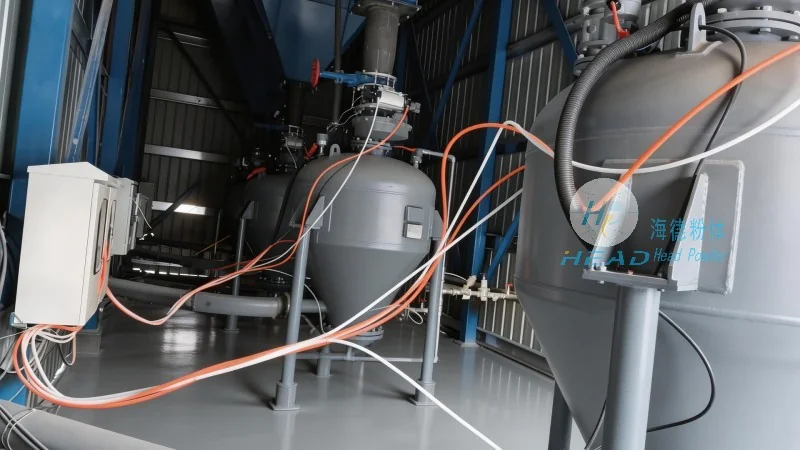
The Design Principles Behind the Equipment
The design of silage powder pneumatic conveying equipment is based on several key principles to ensure optimal performance. First, the system must handle the specific properties of silage powder, such as its moisture content and particle size. The design incorporates components like a feeder that can handle the material's flow characteristics without causing blockages. Second, the system must maintain a consistent air pressure to ensure the powder moves smoothly through the pipeline. This involves using appropriate air volumes and pressure levels to prevent clogging and ensure efficient transport. Third, the equipment is designed for durability and ease of maintenance, as it operates in environments where regular upkeep is necessary. The materials used in construction, such as corrosion-resistant metals, are chosen to withstand the conditions of silage handling, ensuring long-term reliability.
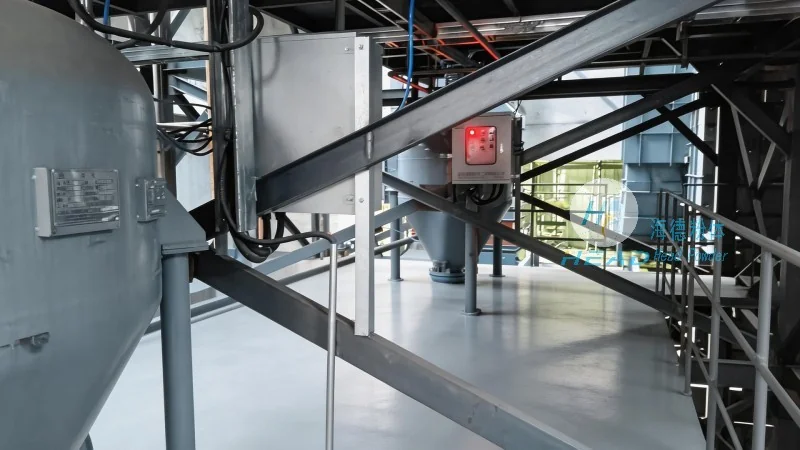
Key Components and Their Functions
Several critical components make up the silage powder pneumatic conveying system. The hopper is the initial storage unit, where the silage powder is loaded. It is designed with a sloped bottom to facilitate material flow into the feeder. The feeder, often a rotary or vibratory type, controls the rate at which the powder is introduced into the conveyor line. The conveyor line itself is a pipeline that carries the powder and air mixture. The air is introduced at one end, creating a pressure differential that moves the powder along the line. At the discharge end, the system may include a separator to remove excess air and collect the powder in a receiving container. The control system monitors and adjusts the air pressure and flow rate to maintain optimal performance, ensuring consistent and reliable operation.
Benefits of Using Silage Powder Pneumatic Conveying Equipment
Implementing this equipment offers several advantages for users. First, it reduces labor costs by automating the material transport process. Instead of manual handling, the system can move large quantities of silage powder efficiently, reducing the need for human intervention. Second, it minimizes material loss and contamination, as the enclosed system prevents exposure to external elements like dust or moisture. Third, it improves safety by reducing the need for workers to handle the powder directly, minimizing the risk of respiratory issues or other health concerns. The equipment also allows for better control over the flow rate, ensuring consistent delivery to processing or storage areas. Additionally, the system can be integrated with other processing equipment, enhancing overall operational efficiency and productivity.
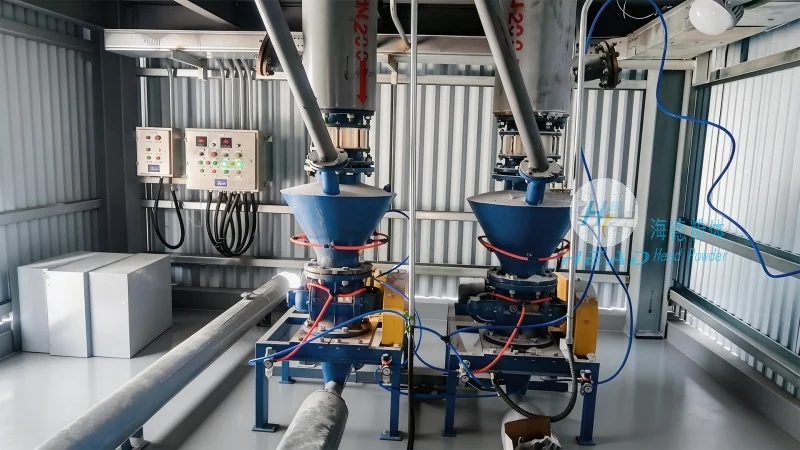
Applications in Agricultural and Industrial Settings
The silage powder pneumatic conveying equipment is widely used in various applications. In agricultural settings, it is commonly employed in dairy farms and feed mills to transport silage from storage silos to feeding areas or processing units. The equipment ensures that the silage is delivered without degradation, maintaining its nutritional value and quality. In industrial settings, it may be used in biogas plants or feed manufacturing facilities where large volumes of silage powder need to be moved. The versatility of the system allows it to adapt to different production scales and material handling requirements, making it suitable for both small and large-scale operations.