

Intermittent Feeding Powder Pneumatic Conveying Machine: What It Is and Its Design Principles
For industrial applications requiring efficient and reliable transport of bulk powders, the intermittent feeding powder pneumatic conveying machine has emerged as a critical solution. This equipment is designed to handle the movement of dry, fine materials through a pressurized or vacuum system, offering a flexible and effective method for material handling. In this article, we will explore the fundamental aspects of this technology, including its operational mechanisms and key design principles that ensure optimal performance.
Understanding the Intermittent Feeding Powder Pneumatic Conveying Machine
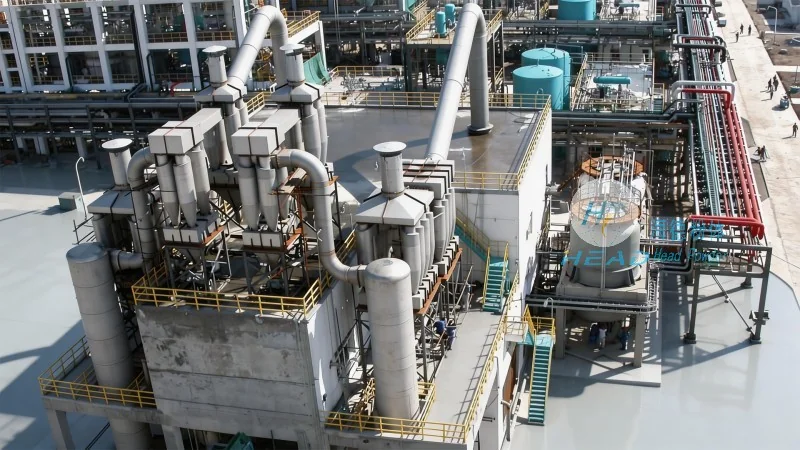
The intermittent feeding powder pneumatic conveying machine is a specialized system used to transport bulk powders over short to medium distances. Unlike continuous feeding systems, this machine operates by delivering material in discrete batches or cycles, which allows for precise control over the flow rate and material quantity. The core components of this system typically include a hopper for material storage, a feeding mechanism (such as a rotary valve or screw feeder), a conveying line (often equipped with airlocks or cyclones), and a receiver for the discharged material. The design of each component is tailored to the specific characteristics of the powder being handled, such as particle size, density, and moisture content, ensuring that the system operates efficiently and without material degradation.
Key Design Principles of the Intermittent Feeding System
The effectiveness of an intermittent feeding powder pneumatic conveying machine is largely determined by its design principles, which focus on optimizing material flow, minimizing pressure losses, and ensuring system reliability. One of the primary design considerations is the selection of the appropriate conveying medium—either positive pressure (where air is forced through the system) or negative pressure (where air is drawn out). Positive pressure systems are commonly used for short-distance transport and are suitable for materials that are prone to caking or bridging, as they provide consistent air flow and prevent material buildup. Negative pressure systems, on the other hand, are ideal for longer distances and are often used in applications where dust control is a priority, as they create a sealed environment that prevents dust from escaping.
Another critical design principle is the choice of the conveying line diameter and length. The diameter of the line is determined by the volume of material to be transported and the air velocity required to maintain a stable flow. Larger diameters are generally used for higher material loads, while smaller diameters are suitable for lighter loads or shorter distances. The length of the line is also a key factor, as excessive length can lead to increased pressure losses and reduced conveying efficiency. To mitigate this, designers often incorporate components such as expansion joints, bends, and airlocks to maintain consistent pressure and prevent material deposition.
Feeding Mechanism and Material Handling
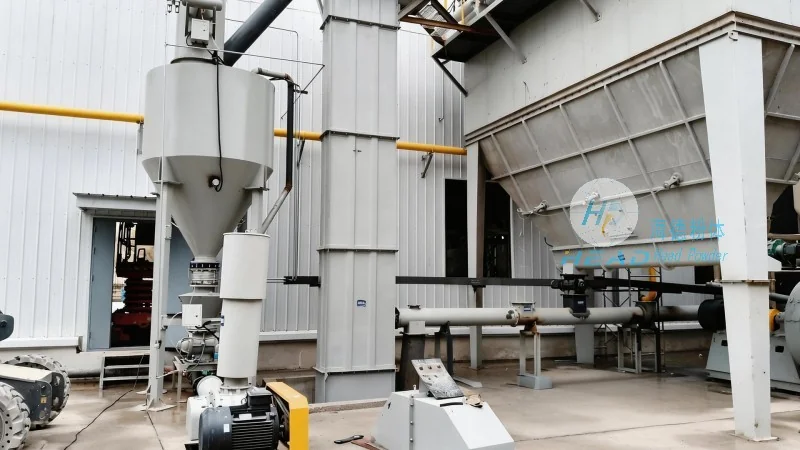
The feeding mechanism is a crucial component of the intermittent feeding system, as it controls the rate at which material is introduced into the conveying line. Common feeding devices include rotary valves, screw feeders, and vibratory feeders. Rotary valves are widely used due to their ability to provide a controlled, intermittent flow of material, which helps to maintain a consistent pressure in the system. Screw feeders are suitable for materials with a higher bulk density and are effective in preventing material bridging or caking. Vibratory feeders are often used for materials that are prone to sticking or for applications requiring gentle handling. The selection of the feeding mechanism is based on the material's properties, such as flowability and particle size, to ensure that the system operates smoothly and without blockages.
Receiver and Material Discharge
The receiver is the final component of the intermittent feeding powder pneumatic conveying machine, responsible for collecting the conveyed material. It is typically designed as a hopper or a silo with a discharge outlet that allows the material to be discharged into a storage bin or processing equipment. The receiver is equipped with a pressure relief valve to prevent over-pressurization and a dust collection system to maintain a clean environment. The design of the receiver is critical to ensure that the material is discharged smoothly and without causing blockages or spills. For applications where the material is sensitive to moisture or contamination, the receiver may be equipped with a heating element or a vacuum seal to maintain the material's quality.
Applications and Benefits of Intermittent Feeding Pneumatic Conveying
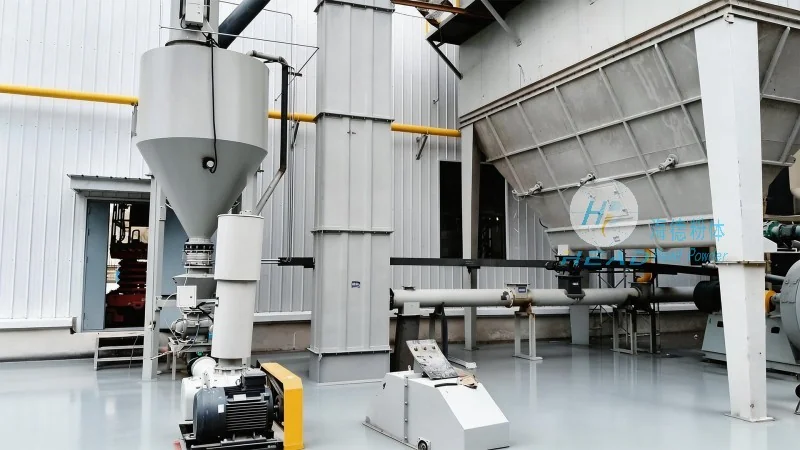
The intermittent feeding powder pneumatic conveying machine is widely used in various industries, including pharmaceuticals, food processing, chemical manufacturing, and mining. In the pharmaceutical industry, this system is used to transport active ingredients and excipients with high precision, ensuring that the material is handled gently and without contamination. In the food industry, it is used to transport powders such as flour, sugar, and spices, where hygiene and product quality are paramount. In chemical manufacturing, it is used to transport raw materials and intermediates, where the system's ability to handle corrosive or abrasive materials is essential. The benefits of this technology include improved material handling efficiency, reduced labor costs, and enhanced safety compared to traditional methods such as manual handling or mechanical conveying.
Company Overview: Shandong HeadPowder Engineering Co., Ltd.
HeadPowder, a leading manufacturer of powder handling equipment, specializes in the design, manufacturing, and supply of intermittent feeding powder pneumatic conveying machines. With years of experience in the industry, HeadPowder has developed a range of products tailored to meet the diverse needs of its customers. The company's headquarters is located in Shandong, China, where it operates a state-of-the-art manufacturing facility equipped with advanced technology and skilled personnel. HeadPowder's commitment to quality and innovation has earned it a reputation as a trusted partner in the powder handling industry, providing reliable and efficient solutions for its clients.
Conclusion
In conclusion, the intermittent feeding powder pneumatic conveying machine is a versatile and effective solution for the transport of bulk powders in industrial applications. Its design principles, which focus on precise control, efficient material handling, and system reliability, make it an ideal choice for a wide range of industries. With the expertise and experience of companies like Shandong HeadPowder Engineering Co., Ltd., this technology continues to evolve, offering improved performance and enhanced safety for material handling operations.