

What is a Synthetic Fiber Powder Pneumatic Conveyor? What Are Its Design Principles?
Understanding the synthetic fiber powder pneumatic conveyor is essential for industries dealing with fine, lightweight powders, especially those containing synthetic fibers. This equipment is designed to transport such materials efficiently and safely through a pressurized or vacuum system. The following article explores the fundamental aspects of this technology, including its design principles and the key considerations that ensure optimal performance.
Introduction to Synthetic Fiber Powder Pneumatic Conveyors
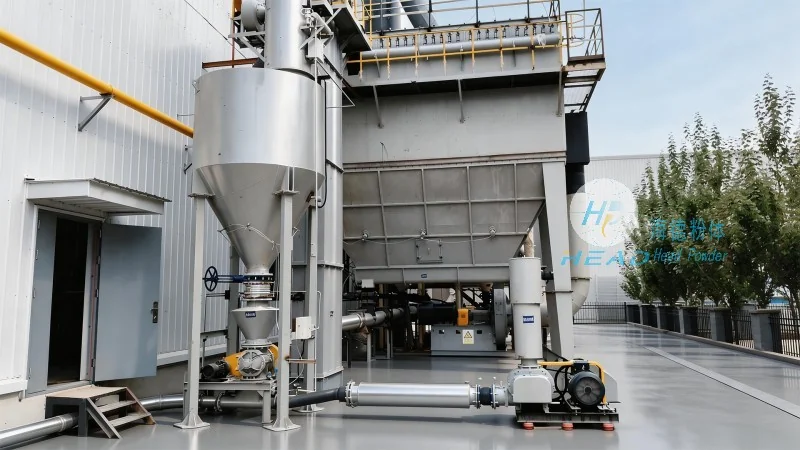
A synthetic fiber powder pneumatic conveyor is a specialized system used to move powders that include synthetic fibers, such as polyester, nylon, or acrylic, from one location to another. Unlike traditional bulk material handling equipment, this type of conveyor relies on air pressure or suction to transport the material through a pipeline. The system typically consists of a hopper for material storage, a blower or vacuum pump to generate airflow, and a pipeline network that transports the powder to the discharge point. The design of this equipment is tailored to handle the unique properties of synthetic fibers, which can be abrasive, static-prone, or have varying particle sizes.
Design Principles of Synthetic Fiber Powder Pneumatic Conveyors
The design of a synthetic fiber powder pneumatic conveyor is guided by several critical principles to ensure reliable operation and minimal material degradation. First, the system must address the challenges posed by synthetic fibers, such as their tendency to cling to surfaces or form agglomerates. To mitigate this, the conveyor often incorporates features like internal liners or anti-static coatings to prevent material buildup and ensure smooth flow. Second, the airflow velocity and pressure are carefully engineered to maintain a consistent material concentration in the pipeline, preventing clogging and ensuring efficient transport. The design also considers the particle size distribution of the synthetic fibers, as larger particles may require higher airflow rates to avoid settling or blockages.
Key Components and Their Functions
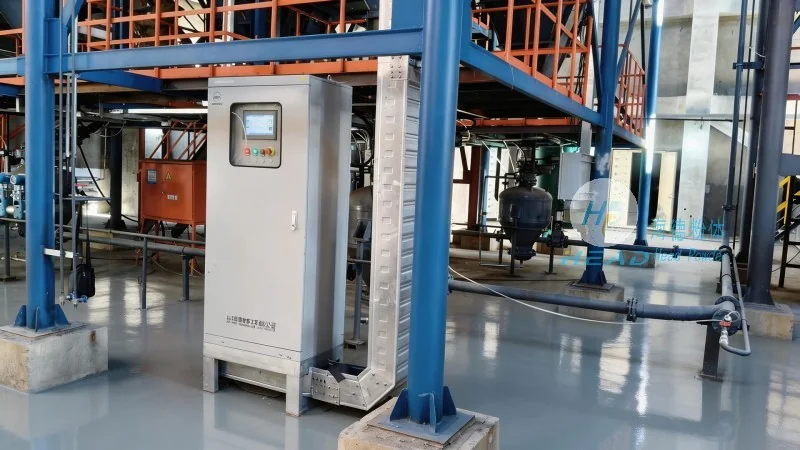
The synthetic fiber powder pneumatic conveyor comprises several key components, each playing a vital role in the overall system. The hopper serves as the storage vessel, equipped with a feeding mechanism that ensures a steady flow of material into the pipeline. The blower or vacuum pump generates the necessary airflow, with options ranging from positive pressure systems (where air is pushed through the pipeline) to negative pressure systems (where air is pulled from the discharge end). The pipeline network is typically made of materials resistant to abrasion and corrosion, such as stainless steel or polyethylene, to withstand the wear from synthetic fibers. Additionally, the system includes a filter or cyclone separator at the discharge end to remove any residual fibers from the air, ensuring compliance with environmental regulations and preventing contamination of downstream processes.
Advantages of Synthetic Fiber Powder Pneumatic Conveyors
Compared to traditional mechanical conveyors, synthetic fiber powder pneumatic conveyors offer several advantages that make them ideal for handling fine powders. One of the primary benefits is the ability to transport materials over long distances without the need for multiple transfer points or elevators. The system is also highly flexible, allowing for changes in the material flow path without significant modifications. Furthermore, the enclosed pipeline design minimizes dust emissions and protects the material from contamination, which is crucial for industries like pharmaceuticals or food processing. The use of air as the conveying medium also reduces the risk of material degradation, as there is no direct contact with mechanical parts that could cause abrasion or friction.
Applications in Various Industries
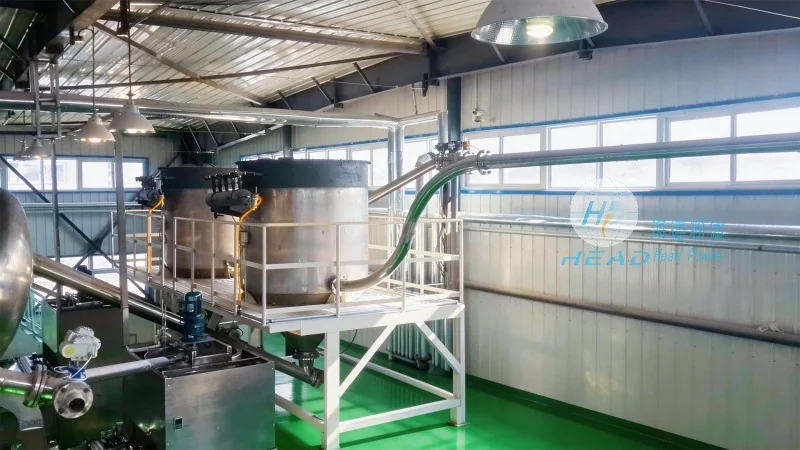
Synthetic fiber powder pneumatic conveyors are widely used in industries that require the handling of fine powders containing synthetic fibers. These include the textile industry, where polyester or nylon fibers are processed for clothing and upholstery; the chemical industry, where polymer powders are transported for manufacturing; and the pharmaceutical industry, where fine powders are used in drug formulations. The equipment is also utilized in the food industry for handling powdered ingredients, such as cocoa or sugar, which may contain synthetic additives. In each of these applications, the conveyor's design ensures that the synthetic fibers are transported efficiently while maintaining product quality and safety.
Maintenance and Operational Considerations
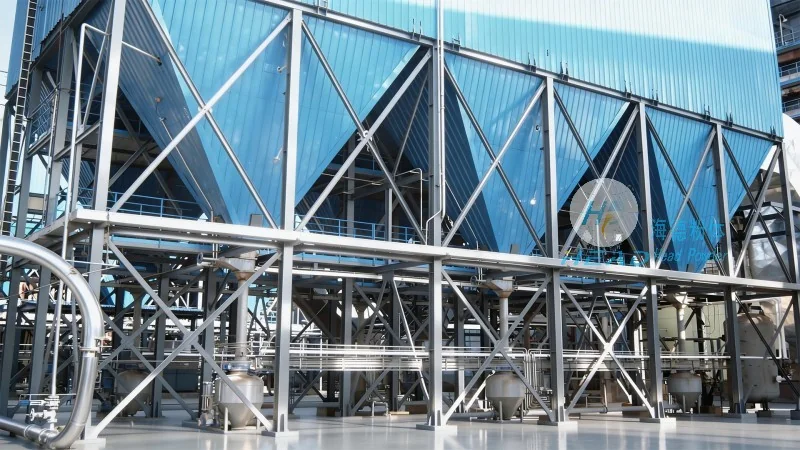
Proper maintenance is essential to ensure the long-term performance and reliability of a synthetic fiber powder pneumatic conveyor. Regular cleaning of the pipeline and hopper is necessary to prevent material buildup, which can lead to clogging or reduced airflow. The blower or vacuum pump should be inspected periodically for wear and tear, and the filter or cyclone separator should be replaced as needed to maintain air quality. Additionally, the system should be equipped with safety features, such as pressure relief valves, to prevent over-pressurization and ensure safe operation. Operators should also be trained on the proper handling of synthetic fibers, as some materials may be static-prone and require grounding to prevent sparks or fires.
Conclusion
The synthetic fiber powder pneumatic conveyor is a sophisticated piece of equipment that combines advanced engineering with practical design to handle the unique challenges of transporting fine powders containing synthetic fibers. By understanding its design principles and operational considerations, industries can leverage this technology to improve efficiency, reduce costs, and maintain product quality. As a leading provider in this field, Shandong HeadPowder Engineering Co., Ltd. specializes in designing and manufacturing customized pneumatic conveyor systems tailored to the specific needs of their clients, ensuring optimal performance and reliability in various industrial applications.