

What is a Sawdust and Wood Flour Powder Pneumatic Conveying Machine? What Are Its Design Principles?
For industries dealing with sawdust and wood flour, efficient material handling is crucial. A sawdust and wood flour powder pneumatic conveying machine is a specialized system designed to transport these fine powders through a pipeline using air pressure. This technology offers a clean, dust-free, and flexible solution compared to traditional methods like belt conveyors or bucket elevators.
Understanding the Core Function of the Pneumatic Conveying System
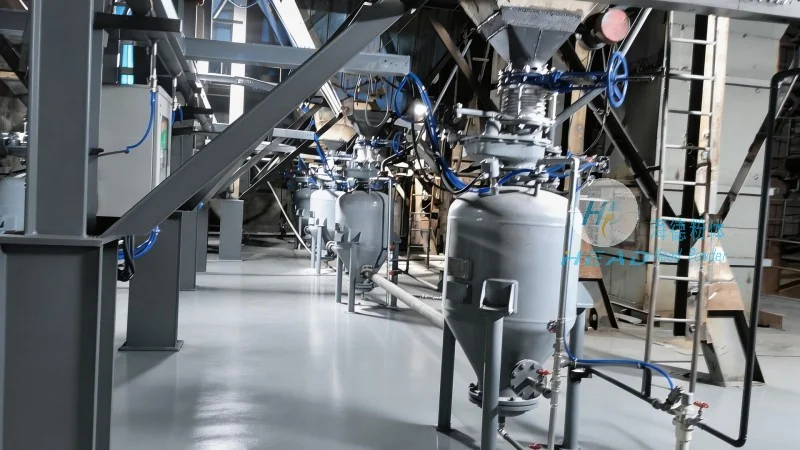
The primary purpose of a sawdust and wood flour powder pneumatic conveying machine is to move bulk materials from one location to another without the need for physical contact between the material and the conveyor components. This is achieved by creating a pressure differential within the system, which can be either positive (pressure) or negative (vacuum). The machine uses compressed air or a vacuum to draw the material into the pipeline and transport it to the desired destination. The design is particularly suited for handling light, fine powders like sawdust and wood flour, which are prone to caking or clumping in traditional conveyors.
Design Principles Behind the Pneumatic Conveying Machine
The design of a sawdust and wood flour powder pneumatic conveying machine is based on several key principles to ensure optimal performance and reliability. First, the system must be able to handle the specific properties of sawdust and wood flour, such as their low bulk density and tendency to generate static electricity. To address static, the machine incorporates grounding and anti-static measures to prevent material buildup and ensure safe operation. Second, the pipeline design is critical. The use of smooth, corrosion-resistant materials like stainless steel or PVC is common to prevent material adhesion and blockages. The system also includes features like in-line filters and cyclone separators to remove moisture and fine particles, maintaining the quality of the conveyed material.
Components and Operational Mechanism
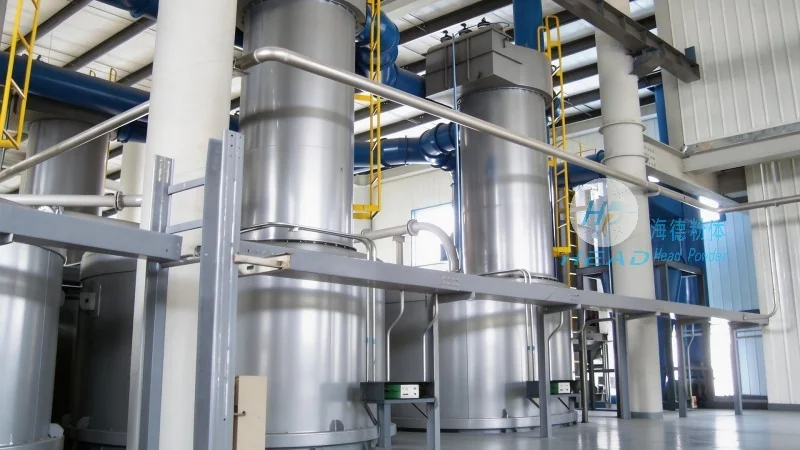
The sawdust and wood flour powder pneumatic conveying machine consists of several key components that work together to achieve efficient material transport. The main components include the air compressor or vacuum pump, the material feed hopper, the pipeline system, and the discharge unit. The feed hopper is designed to hold the sawdust or wood flour and features a metering valve to control the flow rate. The pipeline connects the feed hopper to the discharge point, with in-line mixers or agitators to prevent material settling and ensure consistent flow. The discharge unit, often a cyclone separator or a rotary valve, separates the material from the air stream and directs it to the final destination. The air compressor provides the necessary pressure to move the material through the pipeline, while the vacuum pump is used for suction applications, allowing for flexible material pickup from multiple sources.
Advantages of Using a Pneumatic Conveying Machine for Sawdust and Wood Flour
Compared to traditional material handling methods, a sawdust and wood flour powder pneumatic conveying machine offers several advantages. One of the most significant benefits is the elimination of dust and contamination, as the material is contained within the pipeline. This is particularly important in food processing or pharmaceutical industries where product purity is critical. Additionally, the system is flexible and can be easily reconfigured to handle different material types or process requirements. The machine also reduces labor costs by automating the material transport process and minimizing the need for manual handling. Furthermore, the system is compact and can be installed in various spaces, making it suitable for both new and existing facilities.
Applications in Different Industries
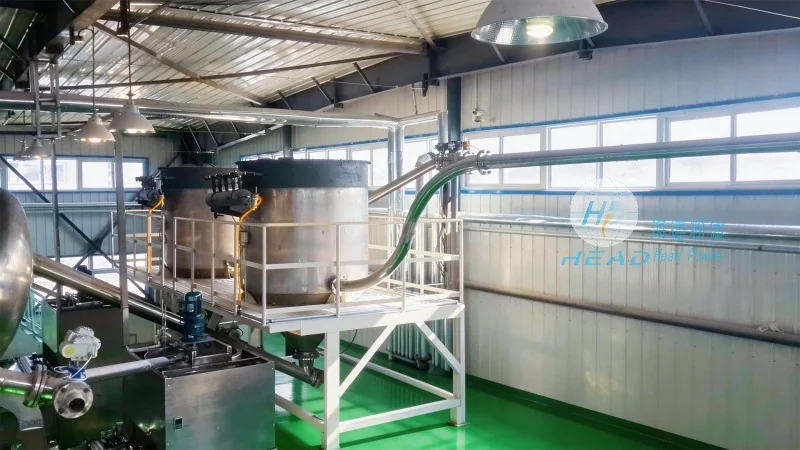
The sawdust and wood flour powder pneumatic conveying machine is widely used in various industries that process wood-based materials. In the woodworking industry, it is used to transport sawdust from the cutting and shaping processes to storage or further processing. In the wood flour production industry, the machine is essential for moving the fine powder from grinding mills to packaging or blending units. The system is also used in the manufacturing of wood-based panels, such as particleboard and fiberboard, where consistent material feed is crucial for quality control. Additionally, in the agricultural and biomass energy sectors, the machine is used to transport sawdust and wood flour for use as fuel in power plants or as raw material for bio-based products.
Conclusion and Company Overview
A sawdust and wood flour powder pneumatic conveying machine is a vital piece of equipment for industries dealing with fine wood-based powders. Its design, based on principles of air pressure and material handling, provides an efficient, clean, and flexible solution for transporting these materials. The system's components, including the air compressor, feed hopper, and discharge unit, work together to ensure reliable operation and maintain the quality of the material. The advantages of using this technology, such as reduced dust and contamination, increased flexibility, and lower labor costs, make it a preferred choice over traditional conveyors. For businesses in the woodworking, wood flour, and wood-based panel industries, investing in a properly designed pneumatic conveying machine can significantly improve production efficiency and product quality. Shandong HeadPowder Engineering Co., Ltd., a leading manufacturer based in China, specializes in the design and production of such advanced material handling systems, providing customized solutions tailored to the specific needs of each client. With a focus on quality and innovation, the company ensures that its products meet the highest standards of performance and reliability, helping businesses achieve optimal material transport in their operations.