

What is a Glass Particle Material Pneumatic Conveying System? What Are Its Design Principles?
Glass particle material pneumatic conveying systems are specialized industrial equipment designed to transport glass particles through a pipeline using compressed air or other gas streams. These systems are widely used in the glass manufacturing industry for efficient and safe material handling. HeadPowder, a leading manufacturer based in Shandong, China, specializes in designing and manufacturing such systems to meet the specific needs of glass manufacturers.
Key Components and Their Functions
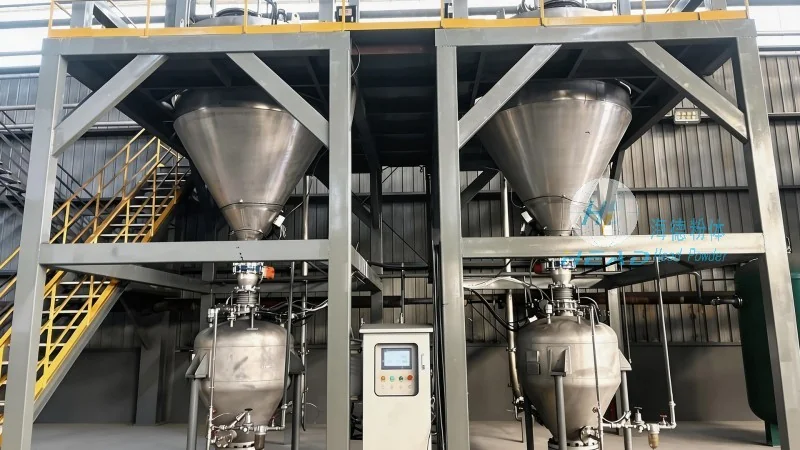
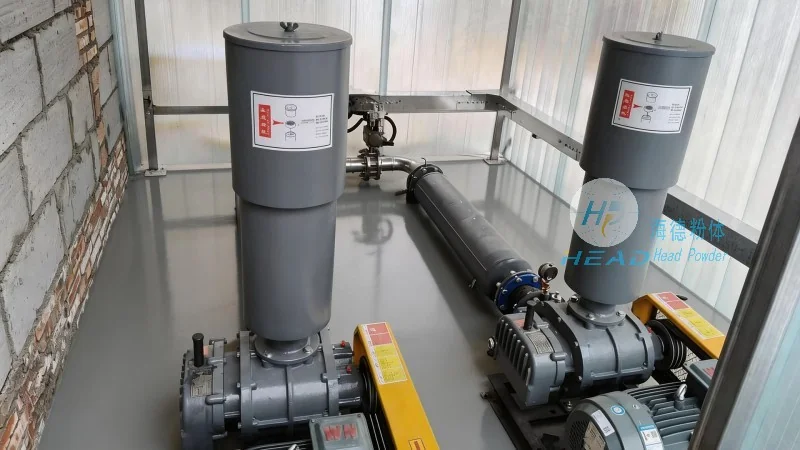
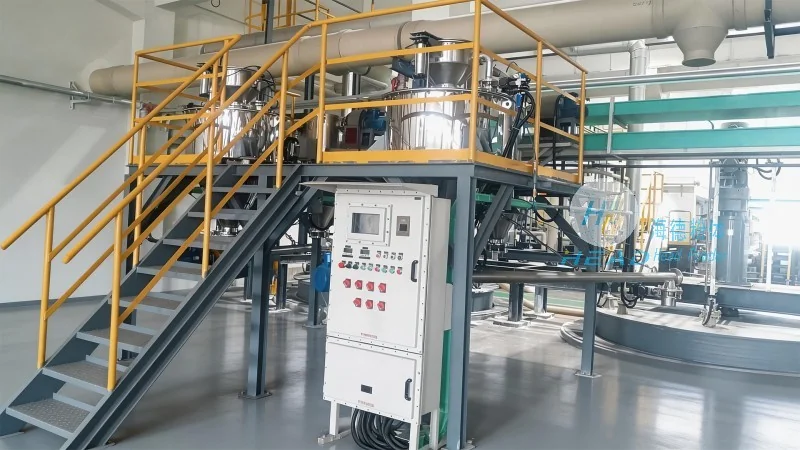
The core components of a glass particle pneumatic conveying system typically include a feeding hopper, a conveying pipeline, a pressure vessel or receiver, a blower or compressor, and a control system. Each component plays a vital role in the overall operation. The feeding hopper ensures a consistent and controlled flow of glass particles into the system. The conveying pipeline transports the particles from the source to the destination. The pressure vessel or receiver stores the conveyed material and helps maintain system pressure. The blower or compressor provides the necessary air or gas pressure to move the particles. The control system monitors and regulates the operation of all components to ensure smooth and safe conveying.
Design Principles for Efficient Glass Particle Conveying
The design of a glass particle pneumatic conveying system must consider several key principles to achieve efficient and reliable operation. First, the system must be designed to handle the specific characteristics of glass particles, such as their size, shape, density, and abrasiveness. These factors influence the selection of appropriate materials for the pipeline and components to prevent wear and tear. Second, the system must be designed to maintain consistent air pressure and flow rates to ensure the particles are conveyed without clogging or excessive pressure drop. Third, the system must incorporate safety features to prevent dust explosions and other hazards associated with glass particles. This includes proper ventilation, explosion-proof components, and emergency shut-off mechanisms. Fourth, the system must be designed for easy maintenance and cleaning to minimize downtime and ensure long-term performance.
Advantages of Glass Particle Pneumatic Conveying Systems
There are several advantages to using glass particle pneumatic conveying systems over traditional methods like belt conveyors or bucket elevators. One of the main advantages is the ability to transport glass particles in a closed system, which helps prevent dust contamination and improves workplace safety. Another advantage is the flexibility of the system, as it can be easily reconfigured to handle different particle sizes or flow rates. The system also offers high efficiency in terms of material handling, as it can transport large quantities of glass particles over long distances with minimal energy consumption. Additionally, the system is relatively compact and can be installed in various industrial settings, making it a versatile solution for glass manufacturing plants.
Applications in the Glass Industry
Glass particle pneumatic conveying systems are widely used in various applications within the glass industry. They are commonly used to transport raw materials such as sand, soda ash, and limestone from storage silos to the melting furnace. The system can also be used to transport finished glass products from the production line to storage areas or packaging facilities. In addition, the system is used in quality control processes, where glass particles are conveyed to testing equipment for inspection and analysis. The versatility of the system makes it suitable for a wide range of glass manufacturing processes, from raw material handling to finished product distribution.
Conclusion
Glass particle material pneumatic conveying systems are essential equipment in the glass manufacturing industry, providing efficient and safe material handling solutions. The design principles of these systems, including proper component selection, pressure management, and safety features, are critical to their successful operation. By understanding and implementing these design principles, manufacturers can ensure optimal performance, reliability, and safety in their glass production processes. As the glass industry continues to evolve, the importance of efficient material handling systems like pneumatic conveyors will only increase, making them a vital component of modern glass manufacturing operations.