

What is an Alloy Powder Material Pneumatic Conveying System? And What Are Its Design Principles?
For industries dealing with alloy powders, efficient and reliable material handling is crucial. This article explores the concept of an alloy powder material pneumatic conveying system and delves into its core design principles, providing insights into how such systems enhance operational efficiency and product integrity.
Understanding the Alloy Powder Material Pneumatic Conveying System
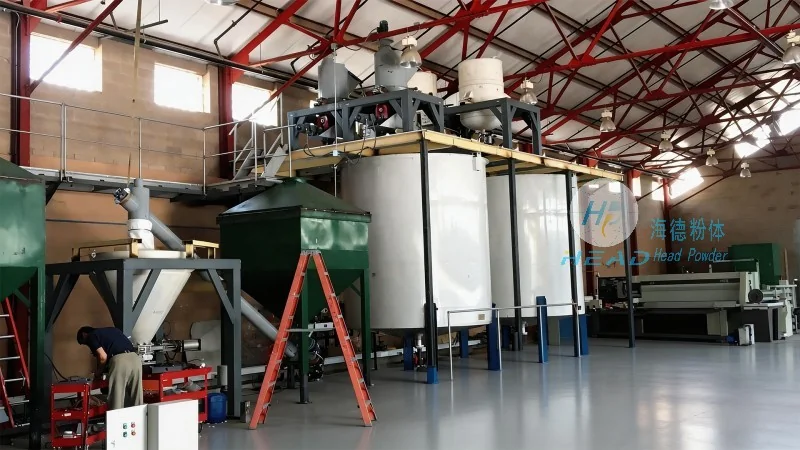
An alloy powder material pneumatic conveying system is a specialized equipment setup designed to transport alloy powders and other fine particulate materials through a pipeline using compressed air or other gas streams. This method offers a dust-free, enclosed, and often faster alternative to traditional bulk material handling techniques like belt conveyors or manual handling. The system typically consists of several key components, including a hopper for material storage, a feeder to control the flow rate, a conveying line, and a receiver for the discharged material. The entire process is driven by a pressure or vacuum source, which propels the powder particles through the system.
Key Design Principles of the Pneumatic Conveying System
The design of an alloy powder material pneumatic conveying system is governed by several critical principles to ensure optimal performance, safety, and material integrity. These principles include:
1. **Flow Rate and Pressure Management**: Proper control of the air flow rate and system pressure is essential. The pressure must be sufficient to overcome the resistance of the material in the pipeline while preventing excessive pressure that could cause material degradation or system damage. The system's design considers the specific properties of the alloy powder, such as particle size, density, and flowability, to determine the appropriate air velocity and pressure levels.
2. **Material Handling and Particle Characteristics**: The design must accommodate the unique characteristics of alloy powders. These materials often have high purity requirements and may be sensitive to moisture or contamination. The system incorporates features like sealed hoppers and pipelines to maintain a clean environment, minimizing the risk of cross-contamination. Additionally, the conveying line and components are selected to handle the specific particle size distribution and abrasiveness of the alloy powder, ensuring long-term durability and minimal wear.
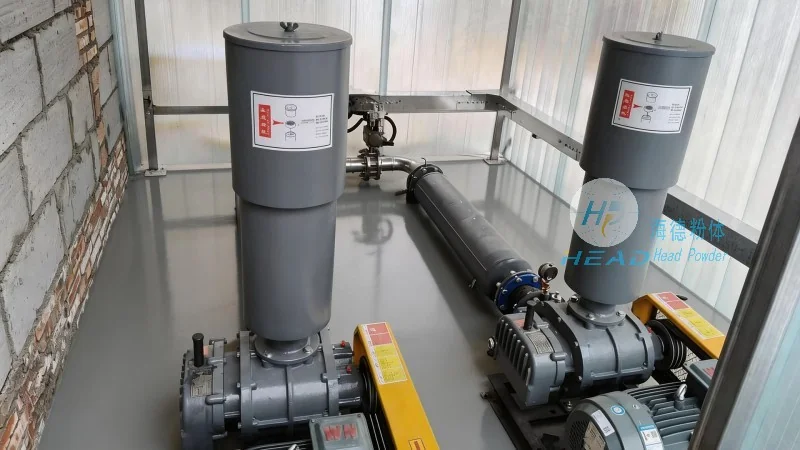
3. **System Configuration and Layout**: The layout of the pneumatic conveying system is tailored to the plant's layout and operational needs. This includes considerations such as the distance between the material source and destination, the number of turns or bends in the pipeline, and the need for intermediate receivers or surge hoppers. The design aims to minimize pressure losses and ensure smooth material flow, which is critical for maintaining consistent conveying rates and preventing blockages.
4. **Safety and Environmental Considerations**: Safety is a paramount concern in the design of any material handling system, especially for alloy powders which may be hazardous or have specific handling regulations. The system incorporates safety features such as pressure relief valves, explosion-proof components, and proper ventilation to mitigate risks. Environmental considerations include the prevention of dust emissions and the containment of any potential spills, ensuring compliance with local regulations and maintaining a clean working environment.
Applications and Benefits of the System
The alloy powder material pneumatic conveying system is widely used in various industries, including metalworking, aerospace, and electronics, where the handling of high-value alloy powders is essential. The primary benefits of this system include:
1. **Efficient Material Transport**: The system allows for the rapid and continuous transport of alloy powders over long distances, improving production throughput and reducing labor costs associated with manual handling.
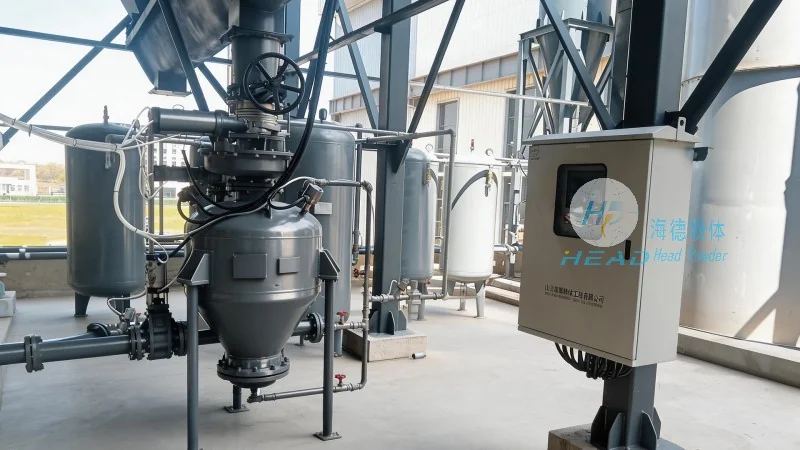
2. **Dust-Free and Clean Environment**: By operating in an enclosed system, the conveying process eliminates dust and airborne particles, enhancing workplace safety and maintaining the purity of the alloy powder. This is particularly important for applications where contamination can affect the final product quality.
3. **Flexibility and Scalability**: The system can be easily configured to handle different material types and quantities, making it adaptable to changing production needs. It can also be integrated with other production equipment, such as mixers or extruders, to form a seamless material handling process.
4. **Reduced Maintenance and Downtime**: With properly designed components and regular maintenance, the pneumatic conveying system offers lower maintenance requirements compared to traditional systems. The enclosed design minimizes the need for cleaning and reduces the risk of material buildup, leading to longer equipment life and less downtime.
Conclusion
An alloy powder material pneumatic conveying system is a sophisticated solution for the efficient and safe handling of alloy powders. By adhering to key design principles, such as proper pressure management, consideration of material characteristics, and robust system layout, these systems ensure reliable operation and maintain the quality of the alloy powder. The benefits of using such a system extend beyond operational efficiency, encompassing safety, environmental compliance, and product integrity. For industries dealing with high-value alloy powders, investing in a well-designed pneumatic conveying system is a strategic decision that enhances overall production capabilities and competitiveness.