

What is a Coal Powder Material Pneumatic Conveying Line? And What Are Its Design Principles?
Coal powder material pneumatic conveying lines are essential industrial systems used to transport fine coal powder or similar particulate materials through a pipeline using air or other gas as the conveying medium. These systems are widely employed in various industries, including power generation, chemical processing, and material handling, where efficient and reliable transport of bulk powders is critical for operational efficiency and safety.
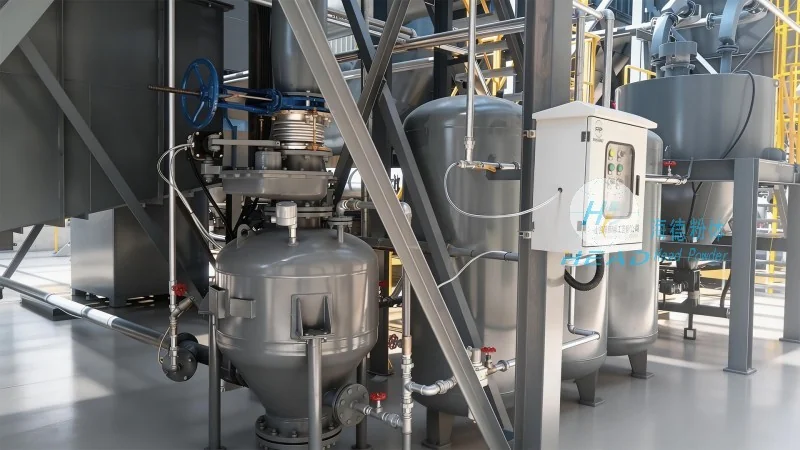
The core of a coal powder pneumatic conveying system lies in its ability to move powders without direct contact with mechanical components, reducing wear and maintenance costs while ensuring consistent material flow. The design of such systems involves several key principles that ensure optimal performance, including proper air flow management, appropriate pressure control, and effective separation of material from the conveying air.
Design Principles of Pneumatic Conveying Systems for Coal Powder
Designing a coal powder pneumatic conveying line requires careful consideration of several fundamental principles to achieve efficient and reliable operation. The primary design principle is the selection of the appropriate conveying method, which can be categorized into dilute-phase or dense-phase systems, depending on the material characteristics and required transport distance. Dilute-phase systems operate at higher air velocities, typically 20-30 m/s, and are suitable for short to medium distances, while dense-phase systems use lower velocities and higher pressure to move material in a more compact form, ideal for longer distances or sensitive materials.
Another critical design principle is the management of air flow and pressure. The system must maintain sufficient air velocity to prevent material settling or blockages in the pipeline. This is achieved through the use of air compressors, filters, and pressure regulators that ensure a stable and consistent air supply. The pressure in the system is typically maintained between 0.5 to 2.0 bar, depending on the system's configuration and the material's properties.
Material handling and separation are also key design considerations. The system includes components like feeders, cyclones, and filters to control the flow of coal powder and separate it from the conveying air. The feeders, often rotary or vibratory, ensure a uniform material feed into the pipeline, preventing surges or blockages. Cyclones and filters are used to separate the coal powder from the air, allowing the air to be recycled or discharged, and the powder to be collected for further use.
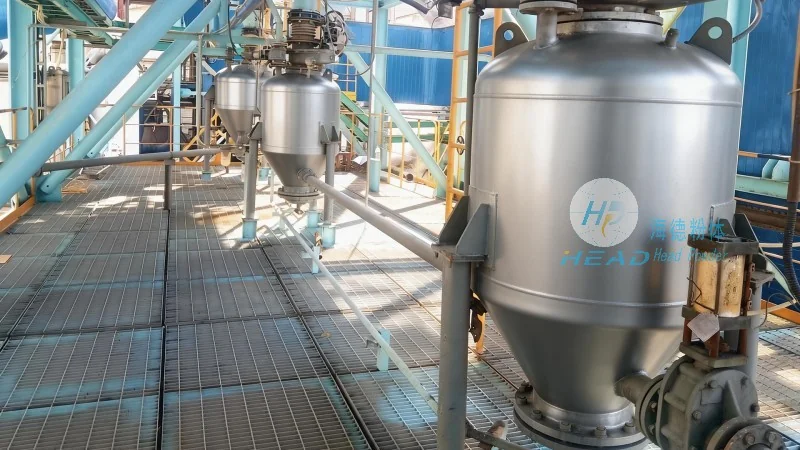
Key Components and Their Functions in Coal Powder Pneumatic Conveying Lines
The effectiveness of a coal powder pneumatic conveying line depends on the proper integration and operation of several key components. Each component plays a crucial role in the overall system performance. The main components include:
1. Air Compressor and Air Treatment System: The air compressor provides the necessary pressure and volume of air to move the coal powder through the pipeline. The air treatment system, which includes filters and dryers, ensures that the air is clean and dry, preventing contamination of the coal powder and reducing wear on system components.
2. Feeders: Feeders are responsible for delivering the coal powder into the conveying line at a controlled rate. Common types include rotary valves, screw feeders, and vibratory feeders, which can handle different material flow rates and particle sizes. The feeder must be designed to prevent material bridging or clogging, ensuring a smooth and consistent feed.
3. Pipeline and Fittings: The pipeline is the main conduit for transporting the coal powder and air. It is typically made of materials like stainless steel or PVC, chosen for their resistance to corrosion and wear from the coal powder. The pipeline is equipped with fittings such as elbows, tees, and reducers to direct the flow and accommodate changes in direction or size.
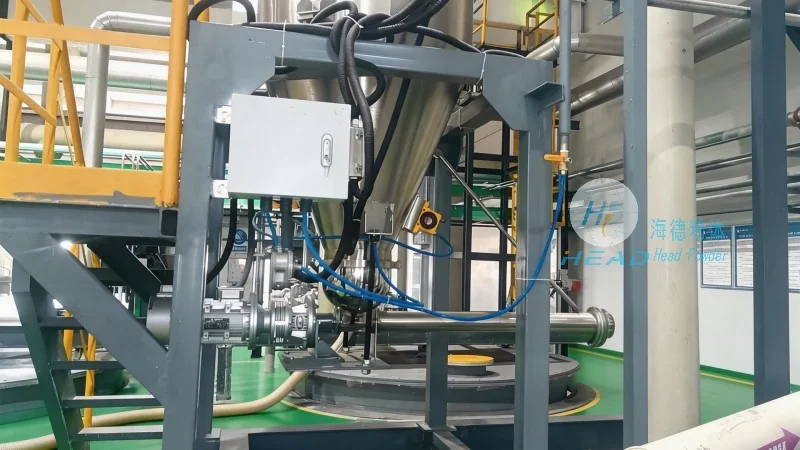
4. Cyclone Separators: Cyclone separators are used to separate the coal powder from the conveying air. As the air and powder mixture enters the cyclone, it is forced to rotate, and the heavier powder particles are thrown against the wall and fall to the bottom, where they are collected. The clean air then exits the top of the cyclone and can be recycled or discharged.
5. Filters and Dust Collectors: Filters are used to capture any fine particles that may escape the cyclone separator, ensuring that the air is clean before it is recycled or released into the environment. Dust collectors, such as bag filters or cartridge filters, are commonly used to remove these fine particles and maintain air quality.
Application Scenarios and Benefits of Coal Powder Pneumatic Conveying Lines
Coal powder pneumatic conveying lines are widely used in various industrial applications due to their efficiency and flexibility. Some common application scenarios include:
1. Power Generation Plants: In coal-fired power plants, these systems are used to transport coal from storage silos to the boiler feeders. This allows for continuous and automated operation, reducing the need for manual handling and improving safety.
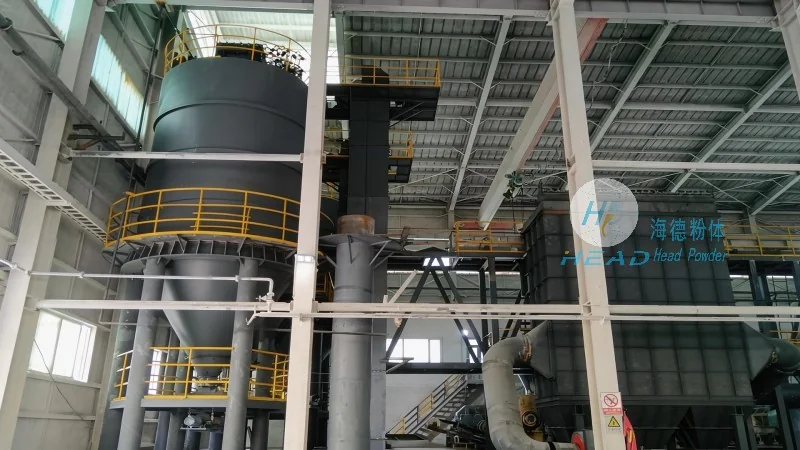
2. Chemical and Fertilizer Production: In chemical and fertilizer plants, coal powder is often used as a raw material or fuel. Pneumatic conveying lines ensure that the coal is transported safely and efficiently to the processing units, minimizing dust emissions and improving process control.
3. Industrial Material Handling: In industries that handle bulk powders, such as mining and construction, pneumatic conveying lines are used to transport coal powder from storage areas to processing or mixing equipment. This reduces the need for trucks or conveyor belts, which can be less efficient and more costly.
The benefits of using coal powder pneumatic conveying lines include improved operational efficiency, reduced labor costs, enhanced safety by minimizing manual handling, and lower environmental impact due to reduced dust emissions. Additionally, these systems can handle a wide range of particle sizes and flow rates, making them suitable for various industrial applications.
Company Profile: Shandong HeadPowder Engineering Co., Ltd.
Shandong HeadPowder Engineering Co., Ltd. is a leading manufacturer and supplier of coal powder material pneumatic conveying systems. With a focus on innovation and quality, the company provides comprehensive solutions for industrial material handling, including the design, manufacturing, and installation of pneumatic conveying lines. HeadPowder's expertise lies in customizing systems to meet the specific needs of clients, ensuring optimal performance and reliability. The company's products are widely used in power generation, chemical processing, and other industries, contributing to improved operational efficiency and safety. HeadPowder is committed to providing high-quality, durable, and efficient pneumatic conveying solutions to its clients, supporting their industrial operations with reliable and cost-effective systems.