

What is a Soil Material Pneumatic Conveying System? And What Are Its Design Principles?
Soil material pneumatic conveying systems are specialized industrial equipment designed to transport bulk materials like soil, sand, and other granular or fine particulate substances through a pipeline using compressed air or other gas as the conveying medium. These systems are widely used in construction, mining, and environmental remediation industries due to their efficiency in handling materials that are difficult to transport via traditional methods such as trucks or conveyor belts. The core of such systems lies in the seamless integration of components that work together to ensure reliable and continuous material transport. In this article, we will explore the fundamental concepts of soil material pneumatic conveying systems and delve into the key design principles that govern their operation.
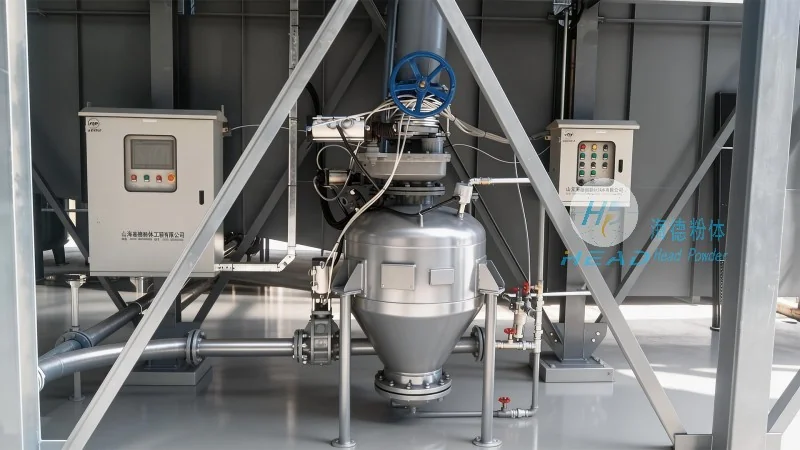
Understanding the Core Components of a Soil Material Pneumatic Conveying System
At the heart of a soil material pneumatic conveying system are several critical components that work in tandem to facilitate material transport. The primary components typically include a material feed hopper, a conveying pipeline, a gas source (such as a blower or compressor), a control system, and a discharge unit. The material feed hopper is responsible for storing and feeding the soil or other bulk material into the system. It often features a hopper design with a conical bottom to ensure consistent material flow and prevent blockages. The conveying pipeline, usually made of stainless steel or other corrosion-resistant materials, is where the material is propelled by the gas flow. The gas source provides the necessary pressure and volume of air or other gas to move the material through the pipeline. This component is crucial as it determines the system's conveying capacity and efficiency. The control system monitors and regulates the flow of material and gas, ensuring optimal performance and preventing issues like overloading or pressure spikes. Finally, the discharge unit collects the material at the end of the pipeline and discharges it into the desired destination, such as a storage silo or processing plant. Each of these components plays a vital role in the overall functionality of the system, and their design and integration are critical to the system's effectiveness.
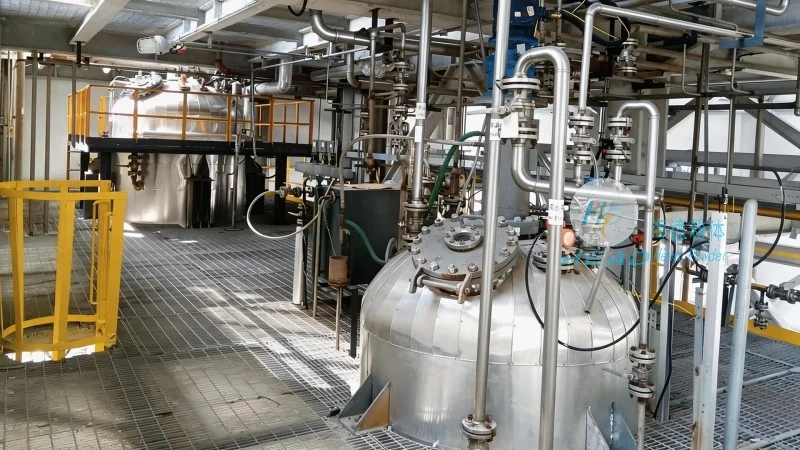
Key Design Principles for Soil Material Pneumatic Conveying Systems
The design of a soil material pneumatic conveying system is guided by several fundamental principles that ensure efficiency, reliability, and safety. One of the primary principles is the selection of the appropriate gas velocity. The gas velocity must be high enough to lift and transport the material particles but not so high as to cause excessive wear on the pipeline or equipment. This velocity is often determined by the particle size, density, and moisture content of the soil material. For example, finer particles may require higher gas velocities to maintain suspension, while larger particles may need lower velocities to prevent blockages. Another critical design principle is the system's pressure and flow rate. The pressure must be sufficient to overcome the resistance in the pipeline and any elevation changes, while the flow rate must match the material feed rate to avoid overloading or underutilization of the system. The system's design also considers the material's characteristics, such as its abrasiveness and moisture content, as these factors can affect the wear rate of components and the overall efficiency of the conveying process. Additionally, the design incorporates safety features to prevent accidents, such as pressure relief valves and emergency shut-off mechanisms. These principles are essential for creating a system that can handle the specific challenges of soil material transport, ensuring consistent performance and minimal downtime.
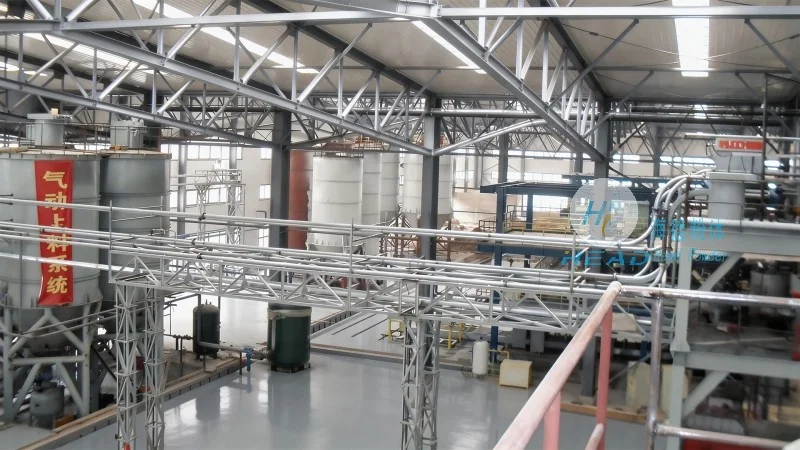
Applications and Benefits of Soil Material Pneumatic Conveying Systems
Soil material pneumatic conveying systems are employed in a variety of applications across different industries. In construction, they are used to transport soil from excavation sites to disposal or reuse locations, improving the efficiency of site operations and reducing the need for manual handling. In mining, these systems are utilized to move ore and other minerals from processing plants to storage or transport facilities, enhancing the overall productivity of mining operations. In environmental remediation, they play a crucial role in the transport of contaminated soil to treatment facilities or disposal sites, supporting efforts to clean up polluted areas. The benefits of using soil material pneumatic conveying systems are significant. These systems offer high conveying capacities, allowing for the transport of large volumes of material over long distances with minimal labor. They also provide a dust-free and enclosed transport environment, which is essential for maintaining workplace safety and compliance with environmental regulations. Furthermore, the systems are relatively compact and can be easily integrated into existing industrial setups, making them a versatile solution for various material handling needs. The efficiency and reliability of these systems make them a preferred choice for industries that require consistent and continuous material transport, reducing operational costs and improving overall productivity.
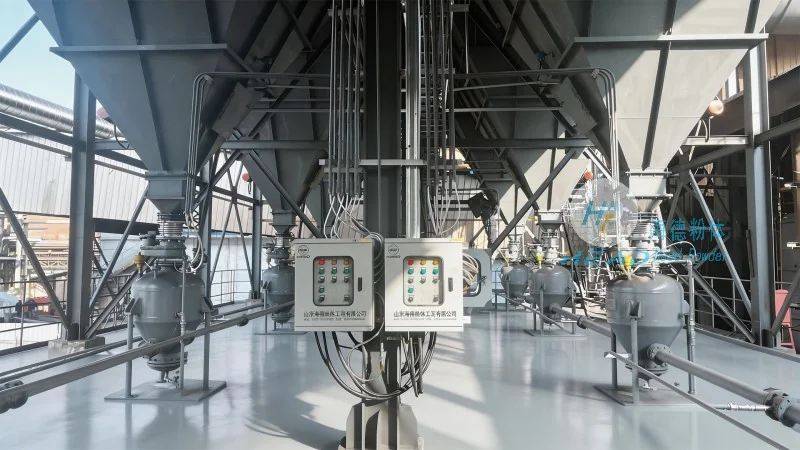
Conclusion and Company Overview
Soil material pneumatic conveying systems represent a sophisticated solution for the efficient and reliable transport of bulk materials like soil. The design principles and components discussed above are essential for creating a system that can handle the unique challenges of soil material transport, ensuring optimal performance and minimal downtime. As a leading provider in this field, Shandong HeadPowder Engineering Co., Ltd. specializes in the design, manufacturing, and installation of high-quality soil material pneumatic conveying systems. With a focus on innovation and customer satisfaction, the company utilizes advanced engineering techniques to develop systems tailored to the specific needs of its clients. HeadPowder's expertise in material handling and pneumatic conveying technology ensures that their systems are not only efficient but also durable and cost-effective. Based in Shandong, China, the company leverages its local resources and industry knowledge to deliver solutions that meet the highest standards of quality and performance. Whether for construction, mining, or environmental remediation, HeadPowder's soil material pneumatic conveying systems provide a reliable and effective solution for material transport, helping businesses enhance their operational efficiency and achieve their goals.