

What is a PTFE Material Pneumatic Conveying System? And What Are Its Design Principles?
PTFE material pneumatic conveying systems are specialized equipment designed to transport PTFE (polytetrafluoroethylene) materials through a pneumatic process. These systems are widely used in industries where PTFE's unique properties, such as chemical resistance, non-stick characteristics, and thermal stability, are critical. The core function of these systems is to move PTFE powders, granules, or other forms of the material from one location to another efficiently and without contamination. Understanding the design principles behind these systems is essential for optimizing performance, ensuring material integrity, and meeting operational requirements.
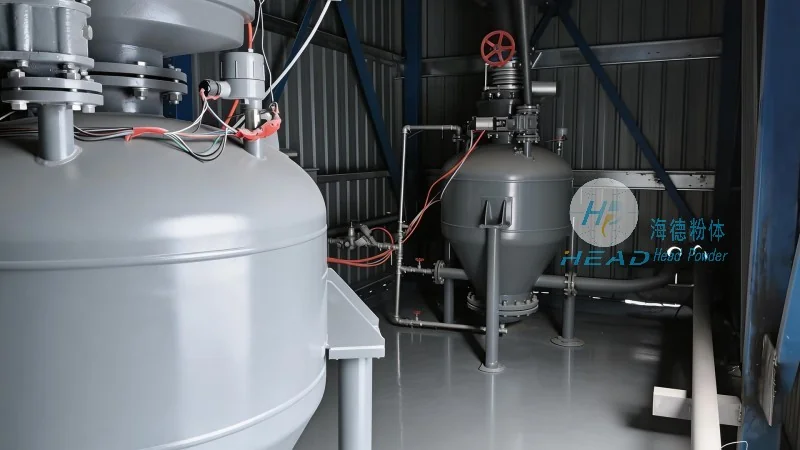
Introduction to PTFE Material Pneumatic Conveying Systems
PTFE, commonly known as Teflon, is a synthetic fluoropolymer known for its exceptional non-reactivity and low friction. In industrial applications, PTFE materials are often handled as powders or granules, which require specialized handling equipment to maintain their quality and prevent degradation. Pneumatic conveying systems offer a solution by using air or other gases to transport these materials, eliminating the need for mechanical components that might cause contamination or damage. The design of PTFE material pneumatic conveying systems must account for the material's properties, such as its low bulk density and potential for static buildup, to ensure reliable and efficient operation.
Key Components of PTFE Material Pneumatic Conveying Systems
The design of a PTFE material pneumatic conveying system typically involves several key components, each playing a crucial role in the overall functionality. The primary components include a hopper or feeder to introduce the PTFE material into the system, a blower or compressor to generate the air flow, a pipeline system to transport the material, and a receiver or discharge unit to collect the material at the destination. Additionally, the system may include filters, cyclones, or other separation devices to remove entrained air or fine particles from the material stream. The selection of each component is critical, as it directly impacts the system's efficiency, material handling capacity, and overall performance.
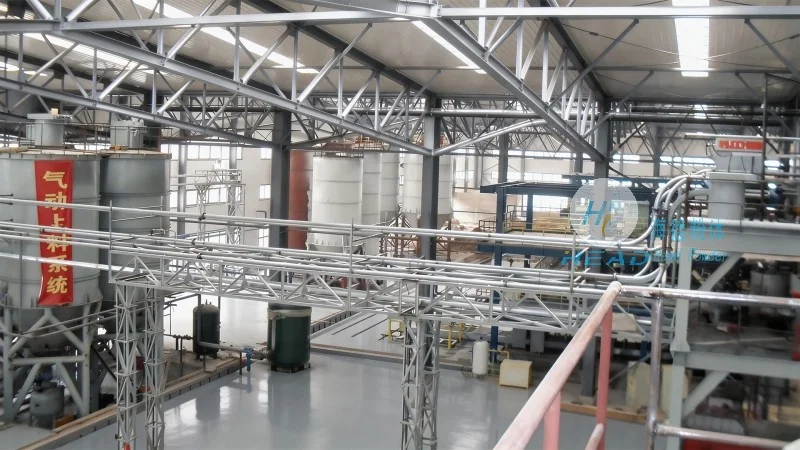
Design Principles for PTFE Material Pneumatic Conveying Systems
The design principles for PTFE material pneumatic conveying systems are centered on maintaining the integrity of the PTFE material while ensuring efficient transport. One of the key design considerations is the prevention of material degradation due to friction or heat. PTFE is a relatively soft material, and excessive friction can cause it to degrade or become contaminated with other substances. Therefore, the system's components, such as the hopper and pipeline, are often designed with smooth, non-abrasive surfaces to minimize friction. Additionally, the air flow velocity is carefully controlled to avoid excessive shear forces that could damage the material particles. Another important principle is the management of static electricity, as PTFE is a poor conductor and can accumulate static charges. The system may include grounding or anti-static additives to prevent static buildup, which could lead to material discharge issues or safety hazards.
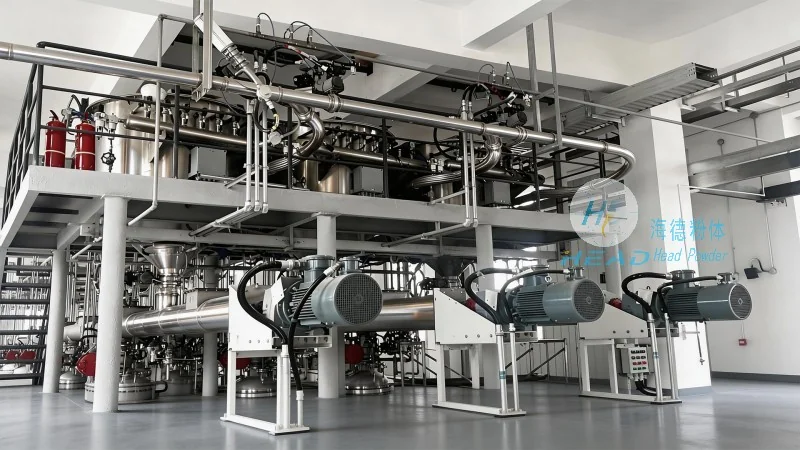
Material Handling Considerations in PTFE Pneumatic Conveying
When handling PTFE materials, several factors must be considered to ensure the effectiveness of the pneumatic conveying system. The first is the material's bulk density, which is typically lower than that of other powders, requiring higher air velocities to achieve the desired conveying rate. The system's design must account for this lower density to maintain sufficient air flow and prevent material settling or blockages. Another consideration is the material's flow characteristics, as PTFE powders can be cohesive or have poor flowability, leading to issues like bridging or rat-holing in the hopper. To address this, the hopper may be equipped with agitators or vibrators to improve material flow and prevent blockages. Furthermore, the system must be designed to handle the material's potential for static buildup, as this can affect the material's discharge and cause operational inefficiencies. Proper grounding and anti-static measures are essential to mitigate these issues and ensure smooth operation.
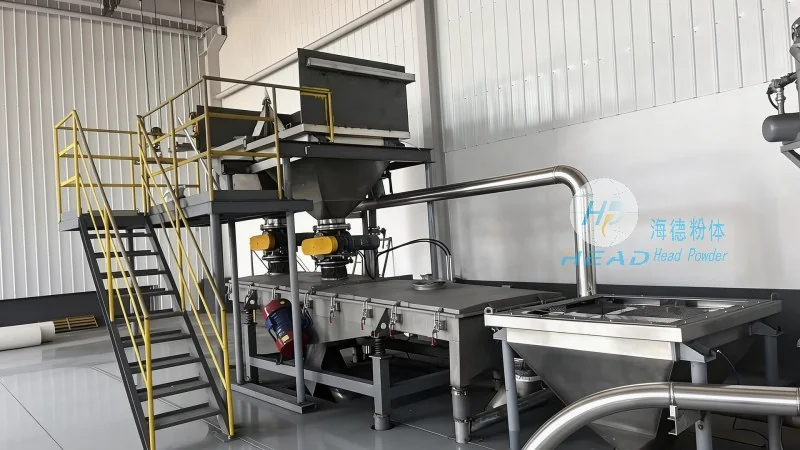
Applications of PTFE Material Pneumatic Conveying Systems
PTFE material pneumatic conveying systems are used in a variety of industrial applications where PTFE's unique properties are required. These applications include the manufacturing of PTFE-based products, such as coatings, seals, and bearings, as well as in the chemical and pharmaceutical industries where PTFE is used as a processing aid or additive. The systems are also used in research and development facilities to handle PTFE powders for testing and experimentation. In each of these applications, the design of the pneumatic conveying system must be tailored to the specific requirements of the process, such as the material's size, moisture content, and desired conveying distance. The goal is to ensure that the PTFE material is transported efficiently and without degradation, maintaining its quality for the intended application.
Conclusion and Company Information
PTFE material pneumatic conveying systems are sophisticated equipment designed to handle the unique properties of PTFE materials efficiently and safely. The design principles behind these systems focus on maintaining material integrity, controlling air flow, and managing static electricity to ensure reliable operation. By understanding the key components and design considerations, industries can optimize their PTFE material handling processes and improve overall productivity. Shandong HeadPowder Engineering Co., Ltd., a leading manufacturer of pneumatic conveying systems, specializes in providing customized solutions for PTFE material handling. With a focus on quality and innovation, HeadPowder offers systems that meet the specific needs of various industries, ensuring efficient and safe transport of PTFE materials. The company's headquarters is located in Shandong, China, where it continues to develop and improve its products to meet the evolving demands of the market.