

Working Principle and Features of a Bread Flour Pneumatic Conveying System
Bread flour is a critical component in the baking industry, and efficient handling of this fine powder is essential for maintaining product quality and operational efficiency. The pneumatic conveying system designed specifically for bread flour offers a reliable solution to transport this delicate material with precision and care. This article explores the working principle and key features of such a system, highlighting how it enhances the overall performance in flour processing operations.
Understanding the Working Principle of a Bread Flour Pneumatic Conveying System
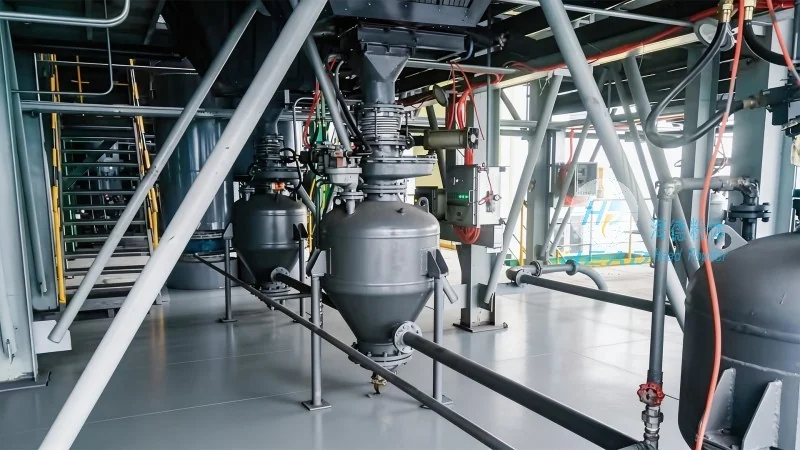
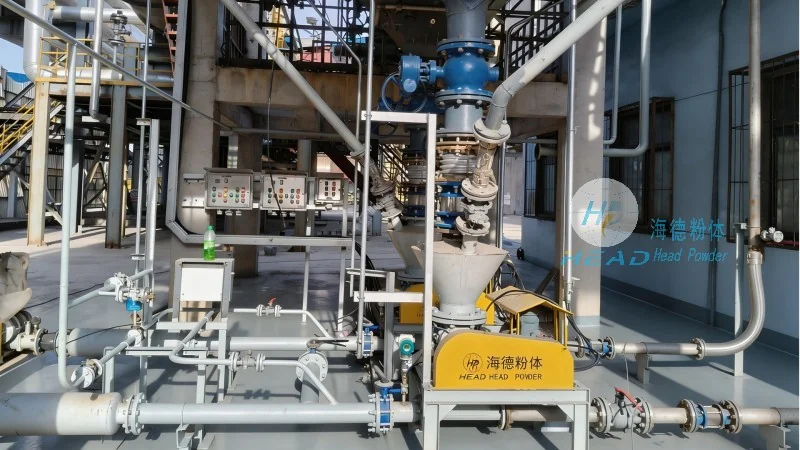
The core of a bread flour pneumatic conveying system lies in its ability to transport dry bulk materials like flour using air as the conveying medium. This method, known as pneumatic conveying, involves the creation of a pressure differential or vacuum to move the flour from the source to the destination. The system typically consists of several components, including a hopper, a conveyor line, a control valve, and a receiver. The process begins when the flour is fed into the hopper. From there, it is drawn into the conveyor line by the air flow generated by a fan or blower. The air and flour mixture travels through the pipeline, and the flour is separated from the air at the receiver end, often through a cyclone separator or a filter system. This separation ensures that the flour remains intact and free from contamination during the transfer process.
Key Features of a Bread Flour Pneumatic Conveying System
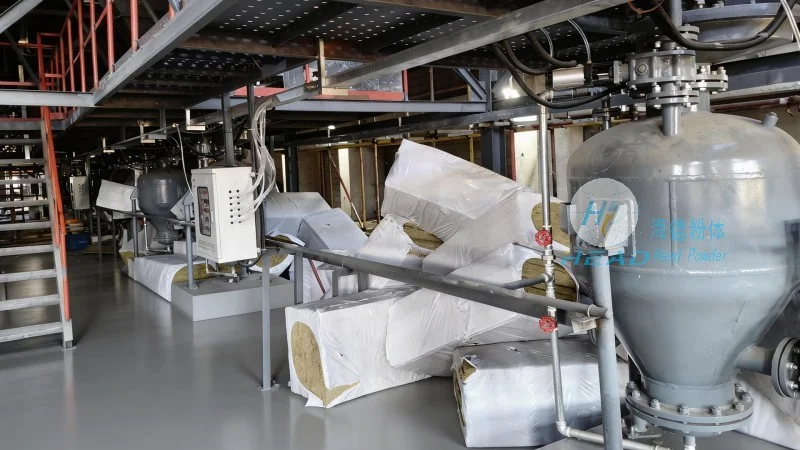
When evaluating a pneumatic conveying system for bread flour, several features stand out as critical for optimal performance. Firstly, the system must be designed to handle the fine, abrasive nature of flour without causing excessive wear or degradation. This is achieved through the use of specialized materials for the hopper and pipeline, such as stainless steel or food-grade plastics, which resist corrosion and maintain the purity of the flour. Secondly, the system should incorporate advanced control mechanisms to regulate the flow rate and pressure, ensuring consistent and reliable transport. This includes features like variable speed drives and pressure sensors that allow for real-time adjustments based on the system's operational conditions. Thirdly, the system must prioritize hygiene and cleanliness, as bread flour is used in food production where strict sanitary standards are required. This is reflected in the design of easy-to-clean components, such as smooth surfaces and removable parts, which facilitate regular maintenance and prevent cross-contamination. Additionally, the system should be energy-efficient, minimizing operational costs while maximizing throughput. This is often achieved through the use of high-efficiency fans and optimized pipeline designs that reduce air consumption without compromising conveying capacity.
Benefits of Implementing a Bread Flour Pneumatic Conveying System
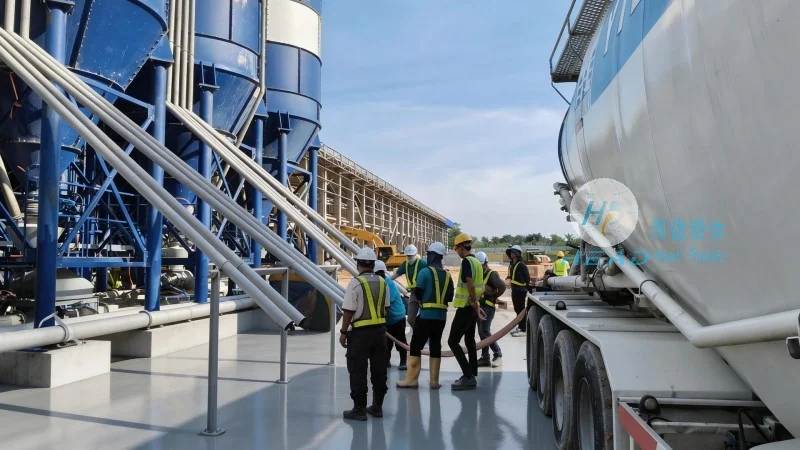
Adopting a pneumatic conveying system for bread flour processing offers numerous benefits that directly impact the efficiency and quality of the production line. One of the primary advantages is the ability to transport flour over long distances without the need for intermediate storage or manual handling. This reduces the risk of product contamination and improves overall workflow. Additionally, the system minimizes the risk of dust accumulation and air pollution, as the flour is contained within the pipeline during transport. This not only enhances workplace safety but also complies with environmental regulations. Furthermore, the system allows for precise control over the flour flow, ensuring that the right amount is delivered to the next stage of the production process, such as mixing or packaging. This precision helps maintain consistent product quality and reduces waste. Finally, the automated nature of the system reduces the need for manual labor, leading to lower labor costs and increased operational efficiency.
About Shandong HeadPowder Engineering Co., Ltd.
Shandong HeadPowder Engineering Co., Ltd., commonly known as HeadPowder, is a leading manufacturer specializing in engineering solutions for the flour and food processing industries. With a strong commitment to quality and innovation, HeadPowder has established itself as a trusted partner for businesses seeking reliable and efficient pneumatic conveying systems. The company's headquarters is located in Shandong, China, where it leverages advanced technology and expertise to design and produce systems tailored to the specific needs of its clients. HeadPowder's products are known for their durability, performance, and adherence to industry standards, making them a preferred choice for companies operating in the baking and food processing sectors. By focusing on customer satisfaction and continuous improvement, HeadPowder aims to provide solutions that enhance operational efficiency and product quality for its clients worldwide.