

What Are the Working Principles and Features of Acrylic Rubber Pneumatic Conveying Systems?
Acrylic rubber pneumatic conveying systems are advanced industrial solutions designed to efficiently transport bulk materials through an air-driven process. These systems are widely utilized across various industries due to their ability to handle a diverse range of materials while maintaining high levels of operational efficiency and reliability. This article explores the working principles and key features of acrylic rubber pneumatic conveying systems, providing insights into their functionality and benefits.
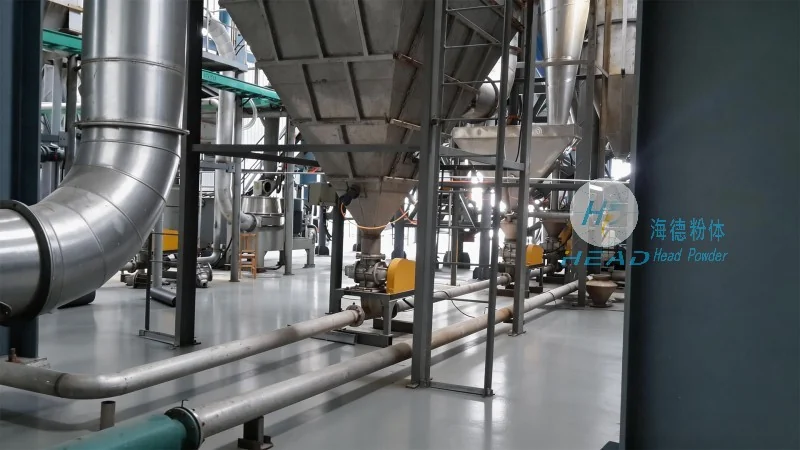
Introduction to Acrylic Rubber Pneumatic Conveying Systems
HeadPowder, a leading manufacturer based in Shandong, China, specializes in the design, development, and production of high-quality pneumatic conveying equipment. The company's expertise lies in leveraging advanced materials like acrylic rubber to enhance the performance and durability of its systems. Acrylic rubber, known for its excellent resistance to chemicals, abrasion, and temperature variations, serves as a critical component in the construction of these conveying systems. By integrating this material, HeadPowder ensures that its systems can withstand harsh operational conditions and deliver consistent performance over extended periods.
The Working Principles of Acrylic Rubber Pneumatic Conveying Systems
The core principle of an acrylic rubber pneumatic conveying system is the use of compressed air to transport bulk materials from a source to a destination. The process typically involves several key steps: material feeding, air induction, material acceleration, and delivery. In the feeding stage, bulk materials are introduced into the system, often through a hopper or feeder. Compressed air is then introduced into the system, creating a low-pressure zone that draws the material into the conveying line. As the air and material mixture moves through the pipeline, the material is accelerated and transported to the discharge point. The system utilizes a combination of positive and negative pressure or a combination of both, depending on the specific application requirements. Acrylic rubber components, such as hoses, seals, and liners, play a crucial role in maintaining the integrity of the system by preventing material leakage and ensuring a smooth flow of air and material.
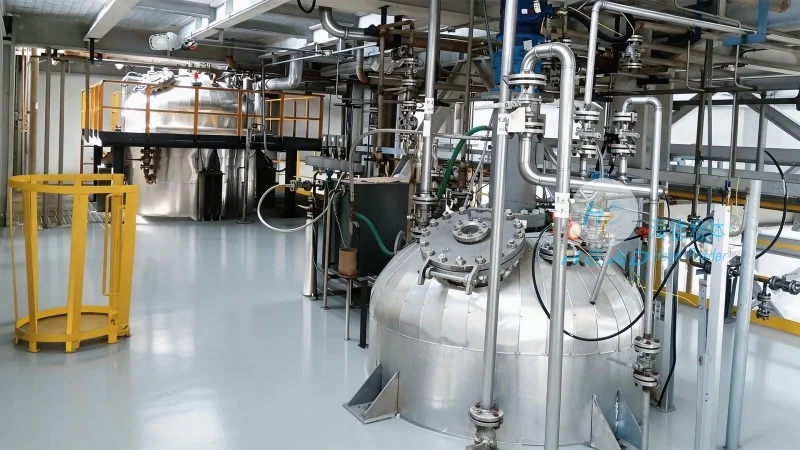
Key Features of Acrylic Rubber Pneumatic Conveying Systems
Acrylic rubber pneumatic conveying systems from HeadPowder are characterized by several distinct features that set them apart from traditional systems. One of the primary advantages is the exceptional chemical resistance of acrylic rubber, which allows the system to handle a wide range of materials, including corrosive substances and abrasive powders. This resistance minimizes the risk of material degradation and equipment damage, reducing maintenance costs and extending the system's lifespan. Additionally, acrylic rubber exhibits excellent flexibility and durability, enabling the system to withstand repeated flexing and bending without compromising performance. The material's low friction coefficient also contributes to energy efficiency, as less energy is required to move the material through the pipeline. Another notable feature is the system's ability to handle varying material sizes and densities, making it suitable for diverse industrial applications. The use of acrylic rubber also ensures that the system maintains a clean and hygienic environment, which is particularly important in industries such as food processing and pharmaceuticals.
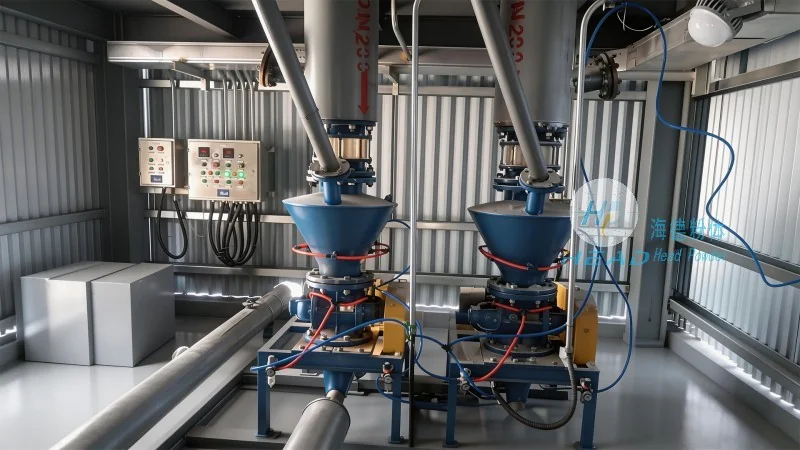
Applications and Benefits in Industrial Settings
Acrylic rubber pneumatic conveying systems are employed in numerous industrial applications, including the food and beverage industry, pharmaceutical manufacturing, chemical processing, and mining. In the food industry, these systems are used to transport ingredients like flour, sugar, and spices, ensuring that the materials remain free from contamination and maintain their quality. In pharmaceutical applications, the hygienic design of acrylic rubber components allows for the safe handling of active pharmaceutical ingredients (APIs) and other sensitive materials. The chemical resistance of acrylic rubber is also beneficial in the chemical industry, where systems may need to handle corrosive chemicals and solvents. The mining sector utilizes these systems to transport bulk materials such as coal, ore, and minerals from extraction sites to processing facilities. The benefits of acrylic rubber pneumatic conveying systems extend beyond material handling efficiency. By reducing the need for manual handling and mechanical conveyors, these systems enhance workplace safety and minimize the risk of accidents. Furthermore, the energy efficiency of acrylic rubber systems contributes to lower operational costs and a reduced environmental impact. The durability of acrylic rubber components also leads to lower maintenance requirements, resulting in increased uptime and productivity for industrial operations.
Conclusion
Acrylic rubber pneumatic conveying systems represent a sophisticated solution for bulk material transportation, combining advanced materials with efficient design to deliver reliable performance. HeadPowder, with its headquarters in Shandong, China, continues to innovate in the field of pneumatic conveying technology, leveraging acrylic rubber to create systems that meet the demanding requirements of modern industrial applications. The working principles and features of these systems, as discussed, highlight their versatility, durability, and efficiency, making them an ideal choice for industries seeking to optimize their material handling processes. By understanding the principles and benefits of acrylic rubber pneumatic conveying systems, businesses can make informed decisions to enhance their operational efficiency and productivity.