

Working Principle and Features of Dust-Free Pneumatic Conveying Equipment
HeadPowder, a leading manufacturer based in Shandong, China, specializes in providing advanced dust-free pneumatic conveying solutions. This article explores the fundamental working principles and key characteristics of such equipment, offering insights into its design, operation, and benefits for various industrial applications.
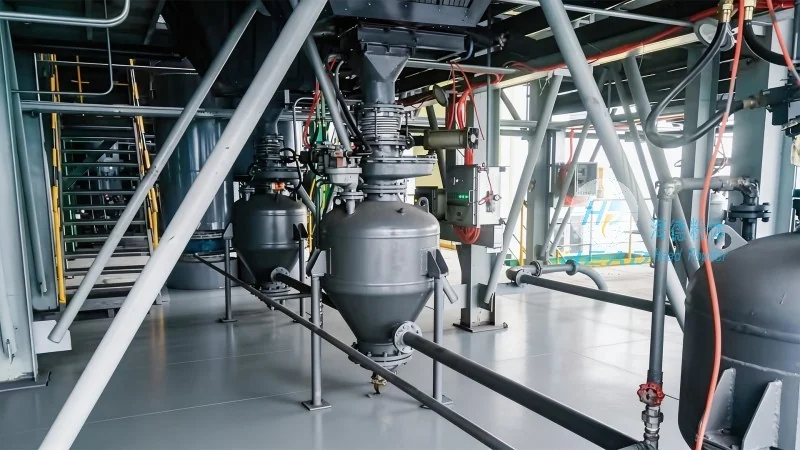
The Working Principle of Dust-Free Pneumatic Conveying Equipment
Dust-free pneumatic conveying systems operate by transporting bulk materials through a closed pipeline using compressed air or other gases. The process typically involves several key components, including a material feed hopper, a rotary valve or feeder, a conveying line, and a receiver or discharge point. The system works by creating a pressure differential within the pipeline, which draws the material from the hopper into the conveying line as the air flows through. This method ensures that the material is transported without exposing it to the external environment, thus maintaining its purity and preventing dust contamination.
One of the primary mechanisms used in these systems is the positive displacement or pressure-assisted conveying. In positive displacement systems, a pump or compressor creates a high-pressure environment that forces the material through the pipeline. The material is often mixed with air or a carrier gas, which helps to reduce friction and improve flow. The receiver at the end of the line collects the material, and the air is either filtered and recirculated or vented to the atmosphere, depending on the system design. This closed-loop operation is crucial for maintaining the dust-free environment and ensuring the material remains clean throughout the conveying process.
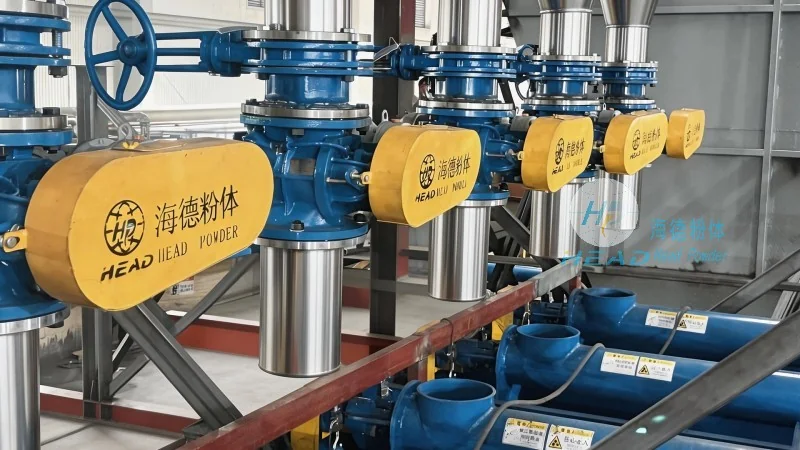
Key Features and Advantages of Dust-Free Pneumatic Conveying Equipment
HeadPowder's dust-free pneumatic conveying equipment is designed with several distinctive features that enhance its performance and reliability. One of the most notable characteristics is its ability to handle a wide range of materials, from fine powders to bulk solids, without causing dust generation or contamination. The closed system design ensures that the material is contained within the pipeline, minimizing the risk of exposure to the environment and reducing the need for additional dust control measures.
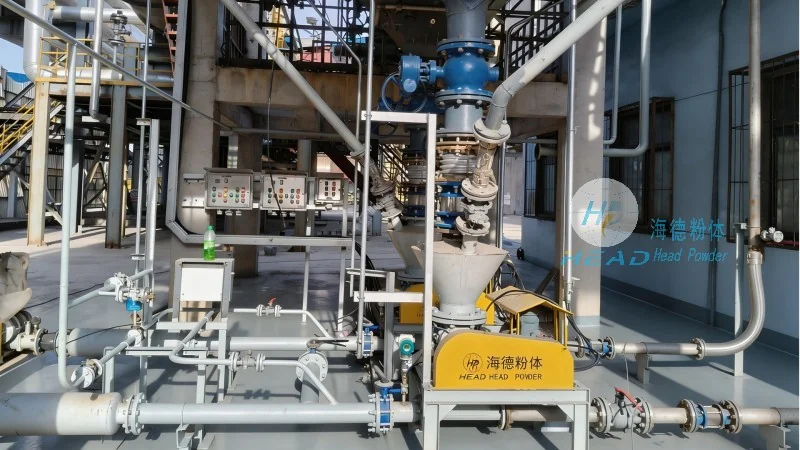
Another key feature is the system's flexibility in terms of layout and integration. The equipment can be customized to fit various industrial settings, with options for vertical, horizontal, or mixed conveying paths. This adaptability allows for efficient material transport over long distances or within complex facility layouts. Additionally, the equipment is equipped with advanced control systems that monitor pressure, flow rate, and material level, ensuring smooth and consistent operation.
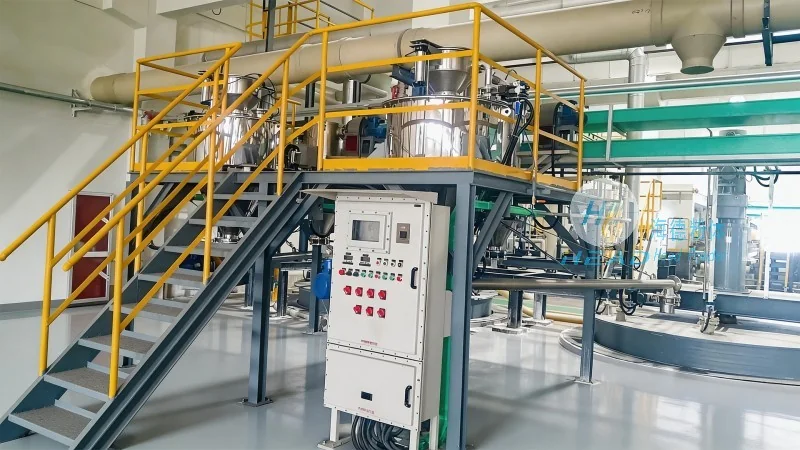
The durability and low maintenance requirements of the equipment are also significant advantages. The components are constructed from high-quality materials, such as stainless steel and corrosion-resistant alloys, which withstand the abrasive nature of many bulk materials. This reduces the need for frequent repairs and replacements, resulting in lower operational costs over the equipment's lifespan. Furthermore, the system's energy efficiency is optimized through the use of efficient compressors and air filtration systems, contributing to reduced energy consumption and operational expenses.
Conclusion
HeadPowder's dust-free pneumatic conveying equipment exemplifies the advanced technology and engineering expertise of Shandong HeadPowder Engineering Co., Ltd. By understanding its working principles and key features, industries can leverage these systems to achieve efficient, clean, and reliable material transport. With a strong presence in Shandong, China, HeadPowder continues to provide innovative solutions that meet the evolving needs of modern manufacturing and processing applications.