

Working Principle and Features of Polypropylene Pneumatic Conveying Systems
For industrial applications involving the transport of polypropylene materials, pneumatic conveying systems offer an efficient and reliable solution. Understanding the working principle and key features of such systems is crucial for optimizing material handling processes and ensuring operational efficiency. This article provides an in-depth look at the mechanisms behind polypropylene pneumatic conveying, highlighting the technical aspects and advantages that make these systems suitable for various industrial environments.
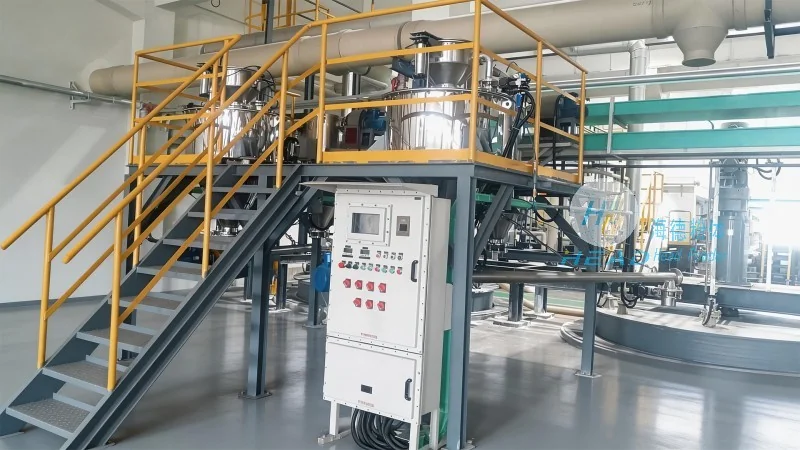
HeadPowder, a leading manufacturer in the field, specializes in the design and production of high-quality polypropylene pneumatic conveying systems. With a strong commitment to engineering excellence, the company has developed advanced solutions tailored to meet the diverse needs of clients across different industries. The systems are engineered to handle polypropylene powders and granules with precision, ensuring minimal material degradation and consistent performance.
Working Principle of Polypropylene Pneumatic Conveying Systems
The core of a polypropylene pneumatic conveying system lies in its ability to transport materials using air or gas as the conveying medium. The process typically involves several key components, including a material hopper, a rotary valve, a conveying line, and a receiver. The working principle can be broken down into the following stages:
First, polypropylene material is fed into the material hopper. The rotary valve then controls the flow of material into the conveying line, ensuring a controlled and steady supply. As the material enters the line, a fan or blower generates a high-velocity airflow that propels the polypropylene particles through the system. The conveying line is designed with appropriate diameters and bends to minimize pressure drop and maintain efficient material transport. Finally, the material is deposited into the receiver, where it is collected for further processing.
Key to the system's operation is the balance between air velocity and material flow rate. Proper air velocity ensures that the polypropylene particles are fully entrained by the air stream, preventing blockages and ensuring smooth transport. The system's design, including the selection of components and the layout of the conveying line, plays a critical role in achieving optimal performance. HeadPowder's engineering expertise ensures that each system is tailored to the specific characteristics of the polypropylene material, such as particle size, density, and moisture content, to maximize conveying efficiency.
Key Features of Polypropylene Pneumatic Conveying Systems
Polypropylene pneumatic conveying systems from HeadPowder are characterized by several distinct features that enhance their performance and reliability. These features are designed to address common challenges in material handling, such as material degradation, system maintenance, and operational flexibility.
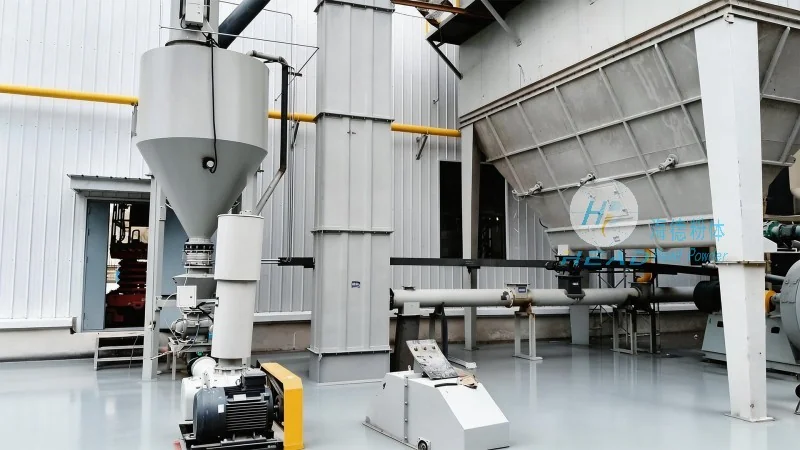
One of the primary features is the use of high-quality materials for all components, including the conveying line and valves. This ensures resistance to corrosion and wear, which is particularly important when handling polypropylene, a material that can be abrasive under certain conditions. The systems are also equipped with advanced control systems that allow for precise regulation of air pressure and flow, enabling operators to adjust the conveying rate as needed. This flexibility is crucial for adapting to varying production demands and ensuring consistent material delivery.
Another notable feature is the integration of dust collection and filtration systems. Pneumatic conveying can generate significant dust, which poses health and safety risks as well as environmental concerns. HeadPowder's systems incorporate efficient filtration and dust extraction mechanisms to maintain a clean and safe working environment. This not only protects personnel but also prevents material loss and contamination, which are critical in polypropylene processing.
The systems also offer excellent scalability and adaptability. Whether for small-scale operations or large industrial facilities, HeadPowder can design and install systems that meet specific requirements. The modular design allows for easy expansion or modification as production needs evolve. This adaptability ensures that the investment in a polypropylene pneumatic conveying system remains effective over the long term, providing a return on investment through improved efficiency and reduced operational costs.
Benefits of Choosing HeadPowder's Polypropylene Pneumatic Conveying Systems
When selecting a pneumatic conveying system for polypropylene applications, several factors come into play. HeadPowder's systems stand out due to their comprehensive design, robust construction, and commitment to customer satisfaction. The benefits of choosing these systems include improved material handling efficiency, reduced downtime, and enhanced safety in the workplace.
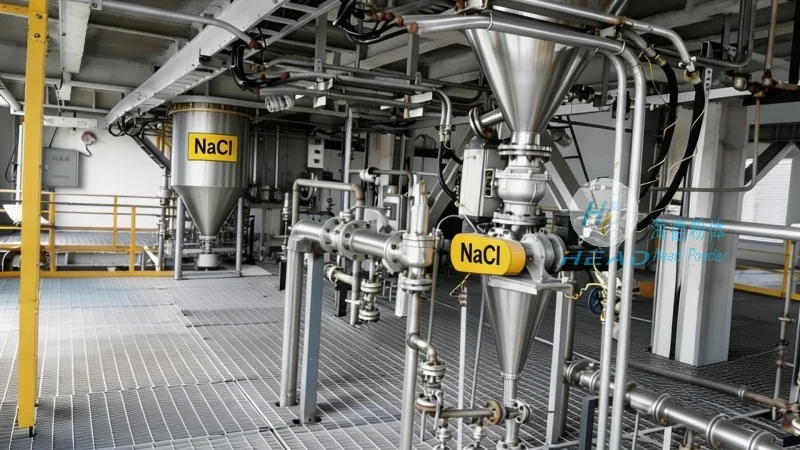
Efficiency is a key advantage, as the systems minimize material degradation and ensure consistent flow rates. This leads to higher product quality and reduced waste, which are essential for maintaining competitiveness in the market. Additionally, the systems are designed for low maintenance, with easy access to components for inspection and replacement. This reduces operational costs and ensures that the system remains in optimal condition for extended periods.
Safety is another critical aspect, as polypropylene dust can be hazardous. HeadPowder's systems incorporate advanced safety features, including pressure relief valves and dust suppression mechanisms, to protect both personnel and equipment. The company's adherence to industry standards and rigorous testing ensures that the systems meet the highest safety and performance criteria.
Furthermore, HeadPowder provides comprehensive support, including installation, training, and after-sales service. This ensures that clients can fully utilize the capabilities of the system and address any issues promptly. The company's expertise in polypropylene handling and pneumatic conveying technology allows for tailored solutions that address the unique challenges of each application.
Conclusion
Polypropylene pneumatic conveying systems are a vital component in modern industrial material handling, offering a reliable and efficient means of transporting polypropylene materials. The working principle, which relies on air or gas to move materials through a system of components, is complemented by key features such as robust construction, advanced control systems, and effective dust management. These features, combined with the benefits of improved efficiency, safety, and scalability, make HeadPowder's systems an excellent choice for businesses seeking to optimize their polypropylene handling processes.
By understanding the working principle and features of polypropylene pneumatic conveying systems, industries can make informed decisions about their material handling solutions. HeadPowder's commitment to quality and innovation ensures that clients receive systems that not only meet current needs but also adapt to future requirements, providing a solid foundation for long-term operational success.