

Working Principle and Features of Molybdenum Trioxide Pneumatic Conveying Systems
Molybdenum trioxide (MoO₃) is a vital industrial material utilized across multiple sectors, including electronics, chemical synthesis, and metallurgy. The efficient and reliable transportation of MoO₃ from production sites to processing facilities is crucial for sustaining production efficiency and product quality. Pneumatic conveying systems have become a preferred solution for handling MoO₃ due to their capability to transport powders in a controlled manner, minimizing dust exposure and ensuring product integrity. This article delves into the working principle and key features of molybdenum trioxide pneumatic conveying lines, highlighting the technological advancements and operational benefits they offer, with a focus on the expertise of Shandong HeadPowder Engineering Co., Ltd., a leading provider in the field.
Working Principle of Molybdenum Trioxide Pneumatic Conveying Systems
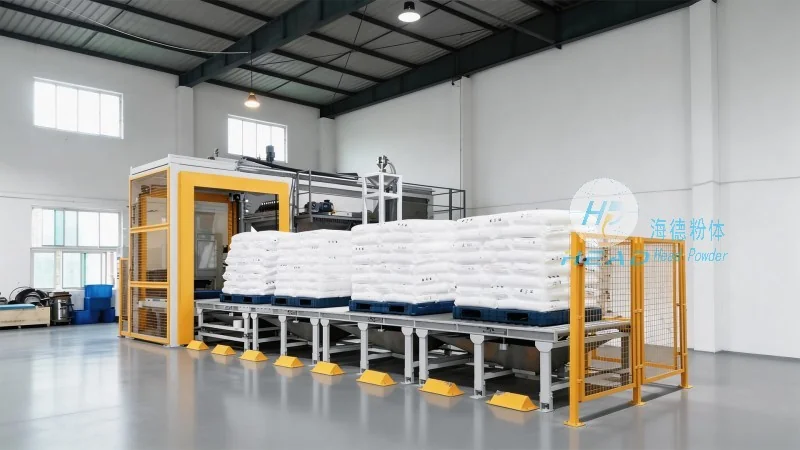
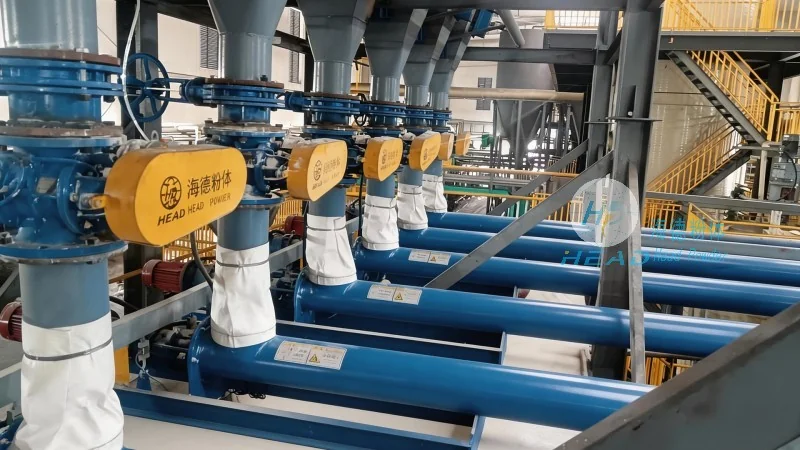
The fundamental mechanism of a molybdenum trioxide pneumatic conveying system involves the utilization of compressed air or other gases to transport the powder material through a network of pipes. The process typically initiates with the material being fed into a hopper or feeder, where it is then drawn into the conveying line by the airflow generated by a blower or compressor. The air velocity within the system is meticulously controlled to ensure that the MoO₃ particles are suspended and transported without causing blockages or excessive wear on the system components. The system comprises several key components, including a feed hopper, a rotary valve or feeder, a conveying line (often with bends and elbows), and a receiver or discharge hopper. The compressed air is introduced at the inlet of the conveying line, creating a positive pressure that propels the powder forward. The velocity of the air is maintained above the minimum fluidization velocity of the MoO₃ particles to prevent settling and ensure smooth transport. The system may also incorporate features such as cyclone separators or filters to separate the powder from the air at the discharge end, allowing for clean air release and powder collection. The entire process is designed to be energy-efficient and low-maintenance, with the ability to handle varying particle sizes and flow rates of MoO₃.
Key Features of Molybdenum Trioxide Pneumatic Conveying Systems
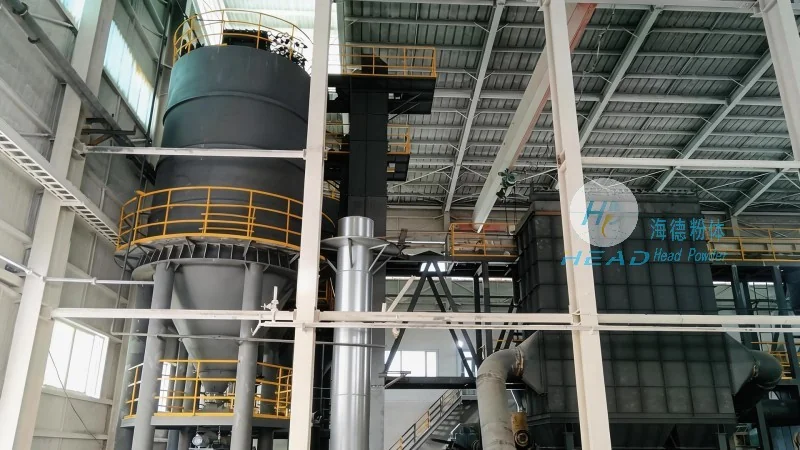
Several distinctive features make molybdenum trioxide pneumatic conveying systems particularly suitable for handling this material. Firstly, the system operates in a closed environment, which significantly reduces dust emissions and improves workplace safety. This is critical for MoO₃, as it is a fine powder that can be hazardous if inhaled. The enclosed design also helps maintain the purity of the material, preventing contamination from external sources. Secondly, the system offers high transport efficiency, with the ability to move large quantities of MoO₃ over long distances with minimal loss. The use of compressed air allows for precise control over the flow rate and velocity, ensuring that the material is transported at optimal conditions. Thirdly, the system is relatively low in maintenance requirements compared to other bulk material handling methods, such as belt conveyors or bucket elevators. The absence of moving parts in the conveying line (except for the feeder and blower) reduces wear and tear, leading to lower operational costs and longer service life. Additionally, the system can be easily integrated with other processing equipment, such as mixers, reactors, or storage silos, enabling seamless workflow in industrial settings. The flexibility of the pneumatic conveying system also allows for adjustments in the conveying line layout to accommodate changes in production needs or facility expansions. Finally, the system provides excellent product protection, as the enclosed environment prevents the MoO₃ from coming into contact with moisture, air, or other contaminants that could affect its quality or reactivity. This is particularly important for MoO₃, which is sensitive to moisture and can degrade if exposed to humid conditions.
Technical Advancements in Molybdenum Trioxide Pneumatic Conveying Technology
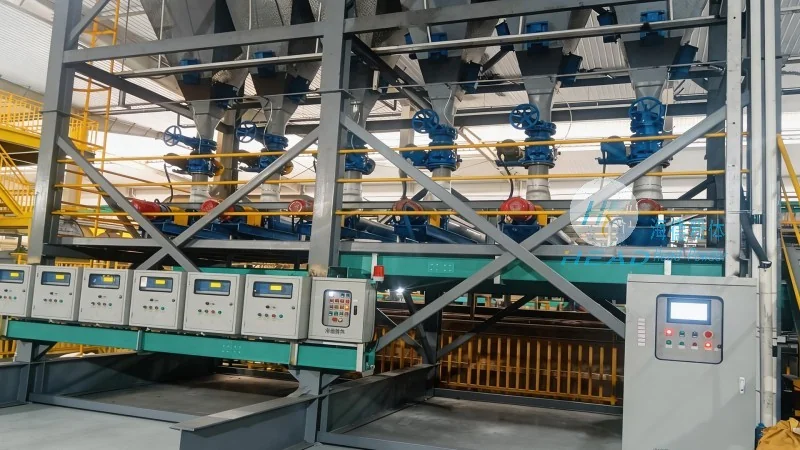
Over the years, advancements in pneumatic conveying technology have enhanced the performance and reliability of molybdenum trioxide handling systems. Modern systems now incorporate advanced control systems that allow for real-time monitoring of airflow, pressure, and material flow rates. These systems use sensors and feedback mechanisms to automatically adjust the blower speed or air pressure, ensuring consistent and efficient transport of MoO₃. The use of high-efficiency cyclone separators and filters has improved the separation efficiency, reducing the amount of powder lost to the air and minimizing the need for frequent cleaning. Additionally, the development of flexible hoses and lightweight materials has made the system more adaptable to different installation scenarios, including complex layouts with multiple bends and vertical lifts. The integration of energy-saving features, such as variable frequency drives (VFDs) for the blower, has further reduced operational costs while maintaining performance. The adoption of corrosion-resistant materials, such as stainless steel or special coatings, has extended the lifespan of the system components, especially in environments where MoO₃ may be reactive or corrosive. These technological advancements have made molybdenum trioxide pneumatic conveying systems more robust, efficient, and cost-effective, meeting the demanding requirements of modern industrial applications.