

Asbestos Trioxide Pneumatic Conveying System: Working Principles and Features Explained
For industries dealing with the handling and transportation of Asbestos Trioxide, efficient and reliable pneumatic conveying systems are crucial. This article delves into the working principles and key features of a specialized Asbestos Trioxide Pneumatic Conveying System, highlighting how it enhances operational efficiency and safety in material handling processes.
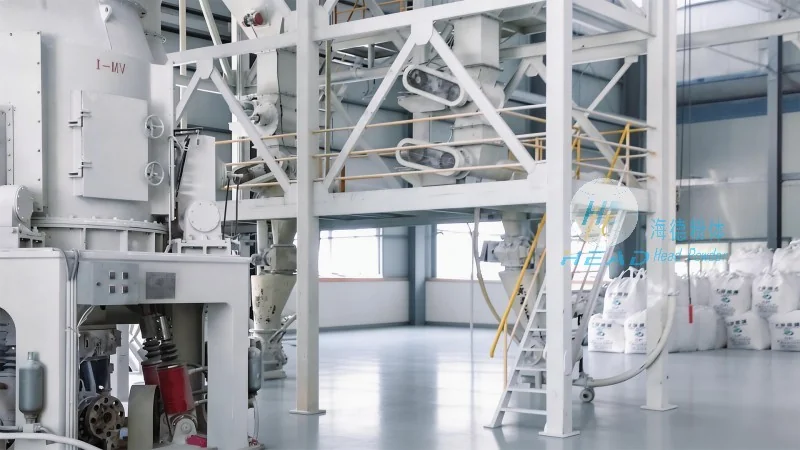
Introduction to Asbestos Trioxide Pneumatic Conveying Systems
Asbestos Trioxide, also known as arsenic trioxide, is a chemical compound used in various industrial applications, including pharmaceuticals, ceramics, and chemical synthesis. The safe and effective transportation of this material requires advanced pneumatic conveying technology to ensure minimal contamination, consistent flow, and compliance with safety regulations. The Asbestos Trioxide Pneumatic Conveying System by Shandong HeadPowder Engineering Co., Ltd. is designed to meet these stringent requirements, offering a robust solution for material handling in industrial settings.
Working Principles of the Asbestos Trioxide Pneumatic Conveying System
The core of the Asbestos Trioxide Pneumatic Conveying System lies in its pneumatic conveying mechanism, which utilizes air or other gases to transport the material through a network of pipes. The system operates on the principle of creating a pressure differential between the material source and the destination. Here's a breakdown of the key working steps:
1. Material Loading: The Asbestos Trioxide is loaded into a hopper or feeder at the source location. The system ensures that the material is fed into the conveying line at a controlled rate to maintain consistent flow.
2. Air Injection: Compressed air is introduced into the conveying line, creating a flow that lifts and propels the material particles through the pipes. The air velocity is carefully controlled to prevent particle degradation and ensure smooth transport.
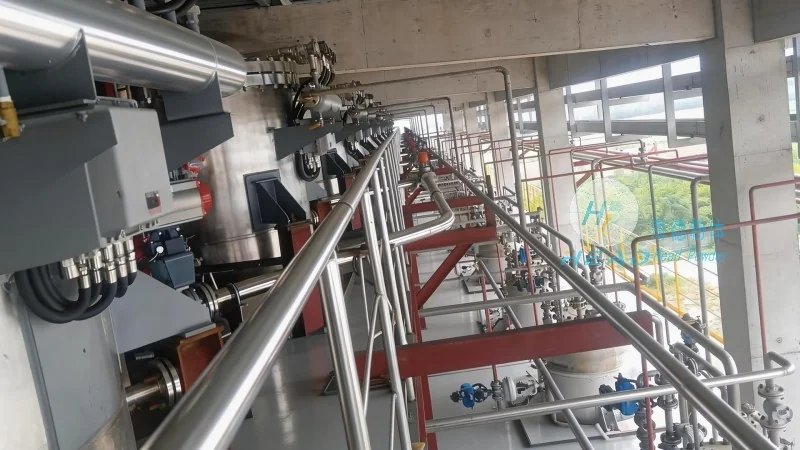
3. Transport and Delivery: The material is carried through the pipeline to the destination point, such as a storage silo or processing unit. The system incorporates appropriate valves and controls to regulate the flow and ensure accurate delivery.
4. Depositing and Cleaning: At the destination, the material is deposited into the receiving vessel. The system may also include cleaning mechanisms to remove any residual material from the pipes, maintaining system hygiene and preventing contamination.
Key Features and Advantages of the System
The Asbestos Trioxide Pneumatic Conveying System by Shandong HeadPowder Engineering Co., Ltd. is equipped with several features that enhance its performance and reliability:
1. High Efficiency and Low Maintenance: The system is engineered for high efficiency in material transport, with minimal downtime due to its robust design and advanced components. Regular maintenance is simplified, reducing operational costs.
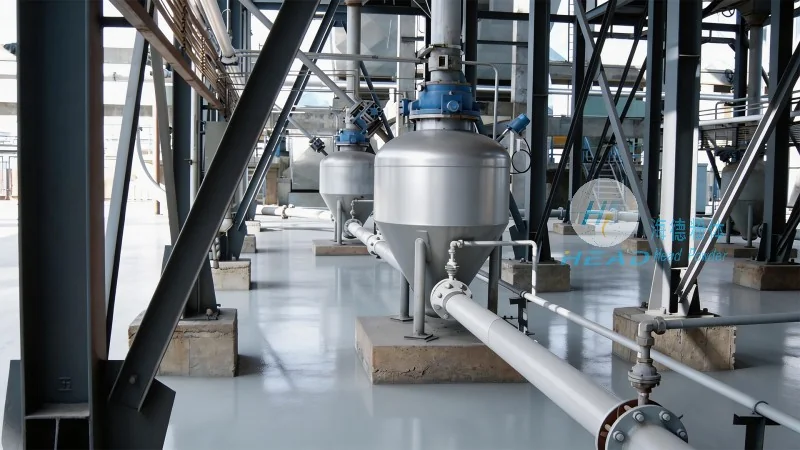
2. Safety and Compliance: Given the hazardous nature of Asbestos Trioxide, the system incorporates safety features such as sealed containers, explosion-proof components, and monitoring systems to ensure compliance with industrial safety standards.
3. Customizable Design: The system can be tailored to meet specific operational requirements, including varying material flow rates, pipe lengths, and destination configurations. This flexibility allows for seamless integration into existing industrial setups.
4. Energy Efficiency: Advanced air management and flow control technologies are employed to optimize energy consumption, reducing operational costs while maintaining performance.
Applications and Industries
The Asbestos Trioxide Pneumatic Conveying System is widely used in industries where the handling of fine powders or hazardous materials is critical. Some of the key applications include:
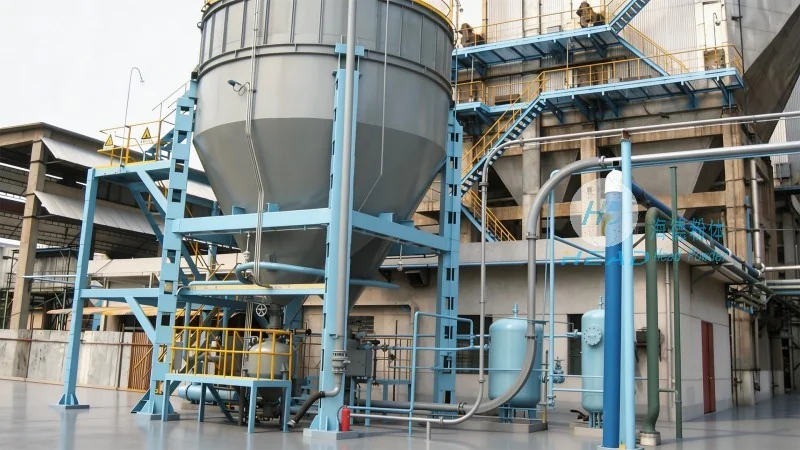
1. Pharmaceutical Manufacturing: In the production of arsenic-based pharmaceuticals, the system ensures the safe and precise transport of raw materials, maintaining product quality and safety.
2. Ceramic and Glass Industries: The system is used in the processing of materials for ceramics and glass, where consistent material flow is essential for product uniformity.
3. Chemical Synthesis: In chemical laboratories and production facilities, the system facilitates the transport of Asbestos Trioxide for various chemical reactions and processes.
Conclusion
The Asbestos Trioxide Pneumatic Conveying System from Shandong HeadPowder Engineering Co., Ltd. represents a sophisticated solution for the safe and efficient handling of Asbestos Trioxide. By leveraging advanced pneumatic technology and robust design, the system enhances operational efficiency, ensures safety compliance, and reduces maintenance costs. For industries requiring reliable material transport solutions, this system offers a proven and effective approach to managing Asbestos Trioxide in industrial processes.