For industrial applications that involve the handling and transportation of polypropylene materials, understanding the underlying mechanisms and key attributes of the material handling systems is crucial. This article provides an in-depth look at the working principles and distinct characteristics of polypropylene material handling, with a focus on the expertise and solutions offered by Shandong HeadPowder Engineering Co., Ltd., a leading provider in the field.
Introduction to Polypropylene Material Handling
Polypropylene (PP) is a widely used thermoplastic polymer known for its durability, chemical resistance, and versatility in various industrial applications. When it comes to moving PP materials from one location to another within a manufacturing or processing facility, specialized equipment and systems are required to ensure efficiency, safety, and minimal material degradation. The process of polypropylene material handling encompasses a range of activities, including loading, conveying, storing, and unloading, each of which relies on specific mechanisms to achieve optimal performance.
The Working Principle of Polypropylene Material Handling Systems
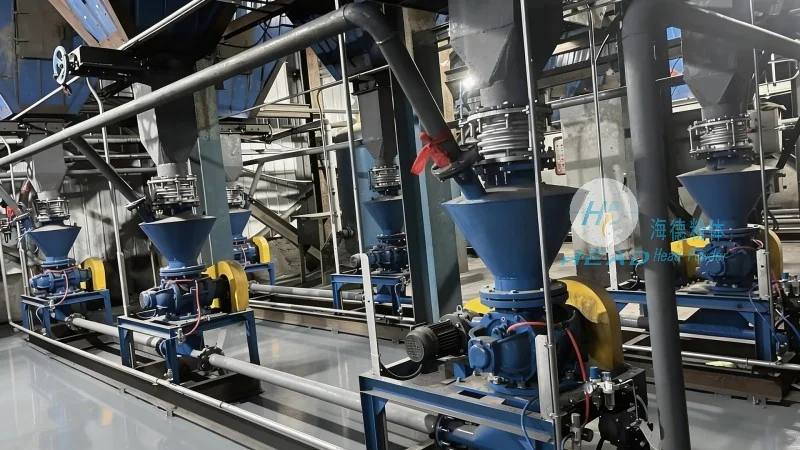
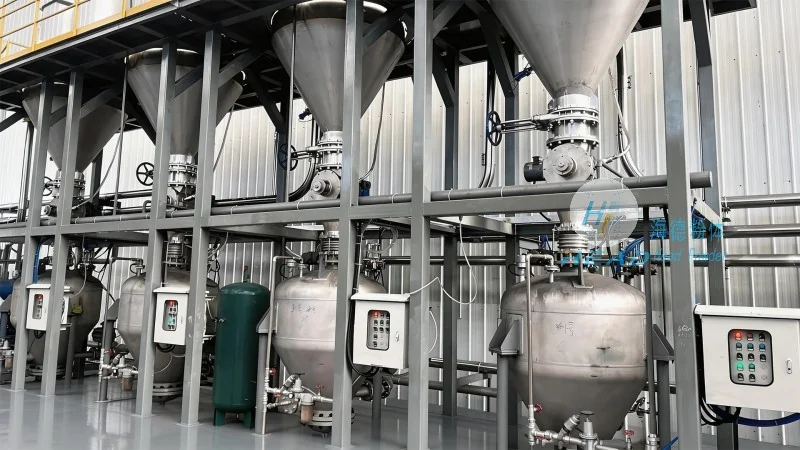
At the core of polypropylene material handling systems are mechanisms designed to move bulk or packaged PP materials. These systems typically consist of several components working in tandem to ensure smooth and continuous operation. The primary working principle involves the use of mechanical or pneumatic systems to transport the material through a defined pathway. For example, conveyor belts, screw conveyors, and pneumatic conveying pipelines are commonly employed to move polypropylene pellets, granules, or sheets. The system's operation begins with the intake of the polypropylene material, which is then processed through the conveying mechanism. This may involve feeding the material into a hopper, where it is then transferred to the conveyor system. The conveying mechanism, whether it is a belt-driven conveyor or a screw conveyor, moves the material along the designated route. In pneumatic conveying systems, compressed air is used to create a flow that transports the polypropylene particles through the pipeline. The entire process is controlled by a series of sensors and control units that monitor the flow rate, pressure, and other critical parameters to maintain consistent performance.
Key Characteristics of Polypropylene Material Handling
The characteristics of polypropylene material handling systems are tailored to address the unique properties of polypropylene and the demands of industrial operations. Some of the most notable characteristics include:
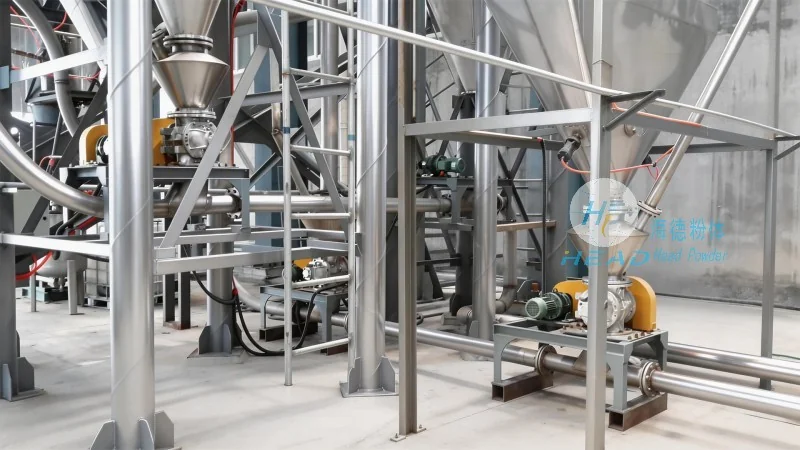
- Material Compatibility: Polypropylene is a non-stick and low-friction material, which means that the handling equipment must be designed to prevent material buildup and ensure smooth movement. Special coatings or materials are often used on conveyor belts and other components to avoid adhesion issues.
- Temperature Sensitivity: Polypropylene can be sensitive to temperature changes, especially during processing. The material handling systems must maintain appropriate temperature levels to prevent degradation or melting of the material. This is achieved through temperature-controlled conveyor sections and insulation in the transport pathways.
- Chemical Resistance: Polypropylene is resistant to many chemicals, but it can still be affected by certain solvents or acids. The handling equipment must be constructed from materials that are compatible with the potential chemical exposure, ensuring durability and safety.
- Efficiency and Throughput: Modern polypropylene material handling systems are designed to maximize efficiency and throughput. This includes features such as variable speed drives, which allow for adjustments based on production demands, and automated controls that minimize downtime and optimize material flow.
- Space Efficiency: In many industrial settings, space is limited. Polypropylene material handling systems are often designed to be compact and adaptable, allowing for installation in confined areas without compromising performance.
Shandong HeadPowder Engineering Co., Ltd.: Expertise in Polypropylene Material Handling
Shandong HeadPowder Engineering Co., Ltd., operating under the brand name HeadPowder, specializes in the design, manufacturing, and implementation of advanced polypropylene material handling solutions. With a strong presence in China, particularly in Shandong, the company leverages its extensive experience and technical expertise to deliver customized systems that meet the specific needs of its clients. The company's commitment to quality and innovation has made it a trusted partner for industries relying on efficient polypropylene handling. By integrating the latest technologies and adhering to industry standards, HeadPowder ensures that its material handling systems are reliable, durable, and capable of handling the unique challenges associated with polypropylene materials.
Conclusion
In conclusion, the working principles and characteristics of polypropylene material handling systems are critical to the success of industrial operations that involve polypropylene processing. From the mechanical and pneumatic systems that drive material movement to the specialized features that address the unique properties of polypropylene, these systems play a vital role in maintaining efficiency and safety. Shandong HeadPowder Engineering Co., Ltd. stands as a leading provider in this field, offering comprehensive solutions that combine advanced technology with practical application, ensuring that clients can achieve optimal performance in their polypropylene material handling processes.




