For industrial applications, the efficient and reliable transport of magnesium sulfate is crucial for maintaining production efficiency and ensuring product quality. Magnesium sulfate, commonly known as Epsom salt, is widely used in various industries including pharmaceuticals, agriculture, and chemical manufacturing. The proper handling of this material requires specialized equipment and systems designed to address its unique physical and chemical properties. In this article, we will explore the working principles and key features of magnesium sulfate material handling systems, highlighting the technological advancements and operational advantages that modern solutions offer.
Working Principle of Magnesium Sulfate Material Handling
The core working principle of magnesium sulfate material handling involves the use of advanced conveyor systems, storage solutions, and processing equipment tailored to the material's characteristics. Magnesium sulfate is a crystalline solid with a relatively fine particle size, which can present challenges during transport such as bridging, caking, or segregation. To address these issues, modern handling systems employ several key mechanisms:
- Conveyor Technology: Belt conveyors, screw conveyors, and pneumatic conveyors are commonly used to move magnesium sulfate from storage silos or processing units to downstream equipment. The choice of conveyor type depends on the material's flowability and the required transport distance. For example, belt conveyors are ideal for long-distance horizontal or slight incline transport, while screw conveyors are suitable for vertical lifting and compact spaces.
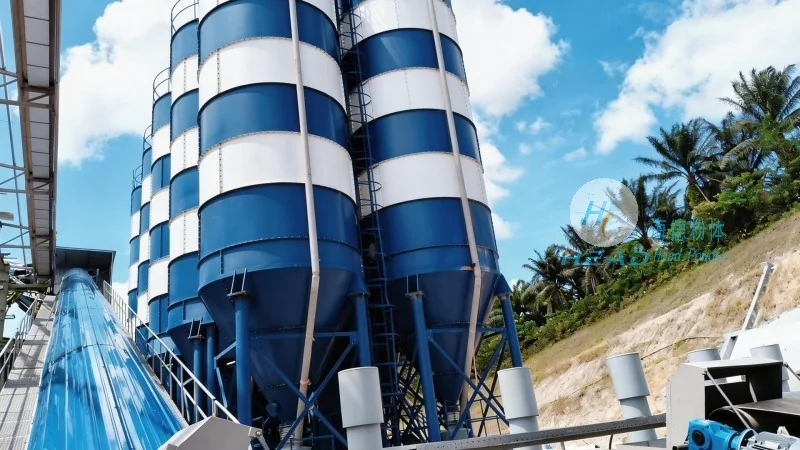
- Storage Solutions: Bulk storage silos equipped with aeration systems and level sensors are essential for maintaining the material's flowability. Proper aeration prevents caking and ensures consistent material flow from the storage vessel to the conveyor system. The silos are typically designed with a conical bottom to facilitate smooth discharge and minimize material buildup.
- Processing and Conditioning: In some applications, magnesium sulfate may require pre-processing steps such as drying or size reduction. Drying equipment, like rotary dryers or fluidized bed dryers, can be integrated into the handling system to adjust moisture content, improving the material's flowability and preventing blockages in downstream equipment. Size reduction equipment, such as hammer mills or jaw crushers, may be used if the material needs to be reduced to a specific particle size for processing.
Key Features of Magnesium Sulfate Material Handling Systems
Modern magnesium sulfate material handling systems are characterized by several key features that enhance operational efficiency, safety, and product quality. These features are designed to address the unique challenges associated with handling this material and ensure reliable performance in industrial settings:
- Advanced Control Systems: Integrated control systems with PLC (Programmable Logic Controller) technology allow for automated operation and real-time monitoring of the handling process. These systems can adjust conveyor speeds, silo aeration levels, and processing parameters based on real-time data, optimizing material flow and preventing equipment overload. The control systems also include safety interlocks to prevent accidents and ensure compliance with industrial safety standards.
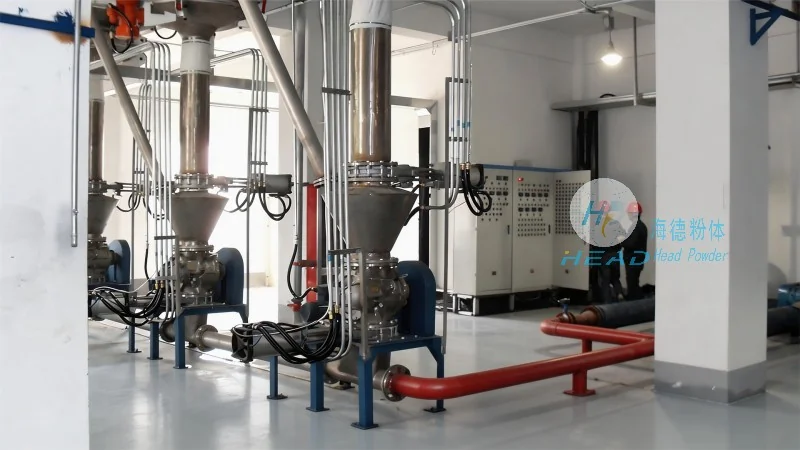
- Material Flow Optimization: Specialized equipment, such as vibrators and aerators, is used to break up material bridging and ensure consistent flow from storage to processing units. Vibrating feeders and rotary airlocks are commonly employed to prevent material blockages and maintain smooth material transfer. The use of these devices improves the overall flowability of magnesium sulfate, reducing downtime and increasing production throughput.
- Corrosion-Resistant Materials: Given the chemical properties of magnesium sulfate, handling systems are constructed from corrosion-resistant materials such as stainless steel, polyethylene, or special alloys. These materials are resistant to the acidic or alkaline nature of the material and prevent contamination, ensuring product purity. The use of corrosion-resistant components extends the lifespan of the equipment and reduces maintenance costs over time.
- Energy Efficiency: Modern handling systems incorporate energy-efficient components, such as variable frequency drives (VFDs) for conveyors and optimized aeration systems. These features reduce energy consumption while maintaining performance, contributing to lower operational costs and environmental sustainability. The integration of energy-saving technologies aligns with industry trends toward more sustainable and cost-effective operations.
Operational Advantages of Using Specialized Handling Solutions
Implementing specialized magnesium sulfate material handling systems offers several operational advantages for industrial facilities. These advantages include improved production efficiency, reduced downtime, enhanced product quality, and lower maintenance costs. By addressing the unique challenges associated with handling this material, specialized systems ensure reliable and consistent performance, which is critical for maintaining production schedules and meeting customer demands.
One of the primary advantages is the reduction in material handling-related downtime. Properly designed systems with features like automatic aeration and flow optimization minimize the risk of caking or blockages, which can cause significant delays in production. Additionally, the use of corrosion-resistant materials and advanced control systems reduces the frequency of equipment maintenance, lowering overall maintenance costs and increasing equipment uptime.
Another key advantage is the improvement in product quality. By maintaining consistent material flow and preventing segregation or contamination, specialized handling systems ensure that the magnesium sulfate delivered to downstream processes meets the required specifications. This consistency is particularly important in applications where the material is used as a raw ingredient, such as in pharmaceutical manufacturing or agricultural fertilizers.
Furthermore, specialized handling systems contribute to enhanced workplace safety. The integration of safety interlocks and automated control systems reduces the risk of accidents caused by manual handling or equipment failure. The use of enclosed conveyor systems and proper ventilation also minimizes the exposure of workers to dust or fumes, creating a safer working environment.
Conclusion and Company Overview
In conclusion, the working principle and features of magnesium sulfate material handling systems are critical for ensuring efficient and reliable transport of this important industrial material. Modern systems employ advanced conveyor technology, storage solutions, and processing equipment tailored to the material's characteristics, addressing challenges such as flowability, caking, and segregation. Key features include advanced control systems, material flow optimization, corrosion-resistant materials, and energy efficiency, which enhance operational performance and product quality.
Shandong HeadPowder Engineering Co., Ltd., a leading provider of industrial material handling solutions, specializes in designing and manufacturing customized systems for magnesium sulfate and other bulk materials. With years of experience in the industry, the company leverages advanced technology and engineering expertise to deliver high-quality, reliable solutions that meet the specific needs of its clients. HeadPowder's commitment to innovation and customer satisfaction has made it a trusted partner for industrial facilities worldwide. The company's headquarters is located in Shandong, China, where it continues to develop and refine its material handling technologies to meet the evolving demands of the industry.




