Magnesia powder, a critical material in refractory and other industrial sectors, demands efficient and reliable handling systems to ensure consistent quality and process efficiency. Pneumatic conveying equipment offers a solution that addresses the unique challenges of transporting fine powders like magnesia, providing a closed system that minimizes dust exposure and maintains product integrity. This article explores the working principle and key features of magnesia powder pneumatic conveying equipment, highlighting its advantages in industrial applications.
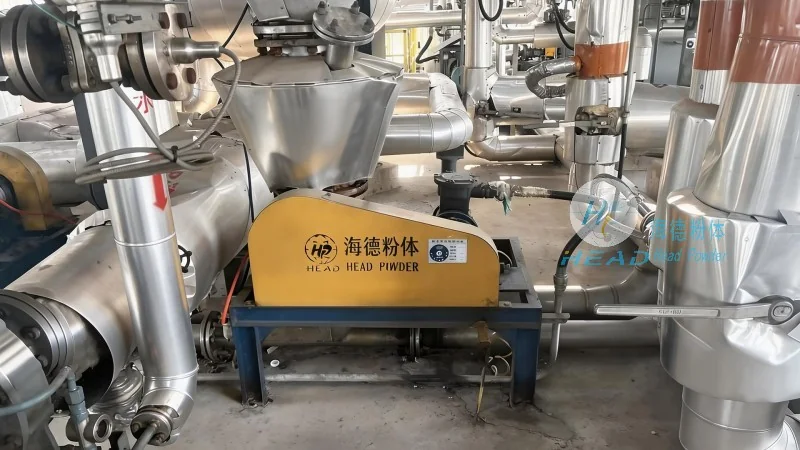
The Working Principle of Magnesia Powder Pneumatic Conveying Systems
Magnesia powder pneumatic conveying systems operate on the principle of using compressed air to transport dry powders through a pipeline network. The process involves several key components and steps that work in concert to move the material from the source to the destination. The core mechanism relies on creating a pressure differential or using suction to draw the powder into the conveying line, where it is then propelled by the air flow. There are two primary types of pneumatic conveying systems: pressure and vacuum systems, each with distinct operational characteristics suited to different material and application requirements.
In a pressure system, compressed air is introduced at the discharge end of the conveying line, pushing the powder forward through the pipeline. This method is effective for conveying materials over longer distances and at higher capacities, as the air pressure maintains the flow and prevents material settling. The system includes a blower or compressor at the discharge point, a hopper or feeder to supply the powder, and a pipeline network that connects the source and destination. The pressure differential ensures continuous movement, with the air acting as the carrier medium. Conversely, vacuum systems use a suction mechanism at the inlet to draw the powder into the line, often employing a vacuum pump or fan. This approach is suitable for applications where the material needs to be transported from a lower elevation or where the source is in a confined space. The vacuum system creates a negative pressure that pulls the powder into the conveying line, with the air flow carrying the material to the collection point.
For magnesia powder, which is fine and prone to caking or bridging in hoppers, the pneumatic conveying system's design is critical. The feeder or hopper is often equipped with a rotary valve or screw feeder to ensure a consistent flow of material into the conveying line. This prevents blockages and maintains a steady flow rate, essential for system efficiency. The pipeline is typically made of materials resistant to magnesia's chemical properties, such as stainless steel or special coatings, to avoid corrosion and material degradation. The air flow velocity is carefully controlled to ensure powder particles are suspended in the air stream without settling, which would cause blockages or reduced efficiency. The system also includes filters and cyclones at the discharge end to separate the powder from the air, allowing the air to be recycled or vented, and the powder to be collected in a container or hopper.
Key Features of Magnesia Powder Pneumatic Conveying Equipment
Magnesia powder pneumatic conveying equipment is characterized by several key features that make it ideal for handling this type of material. One of the most significant advantages is the closed system design, eliminating manual handling and reducing operator exposure to dust. This improves workplace safety and maintains the purity of the magnesia powder, as it is not exposed to environmental contaminants. The closed system also helps control the temperature and humidity of the material during transport, crucial for maintaining quality in high-temperature applications like refractory production.
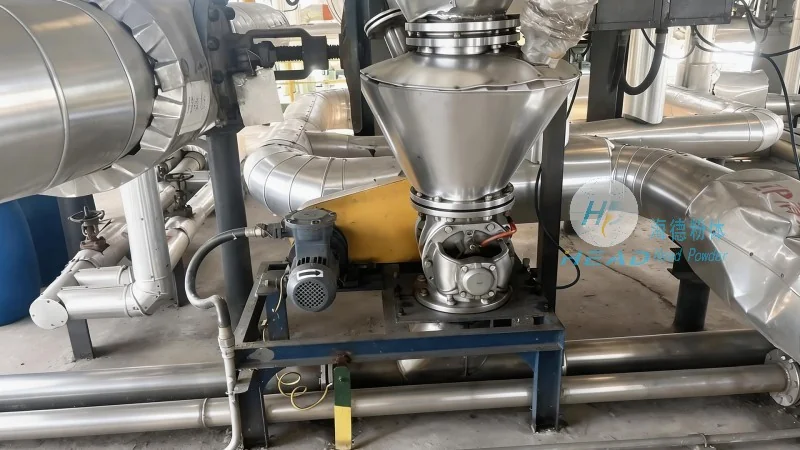
Another important feature is the ability to handle fine powders without additional equipment like hoppers or chutes. The pneumatic conveying system can directly transport the powder from storage to processing equipment, reducing transfer points and minimizing material loss or contamination. This direct transfer also helps maintain the particle size distribution of the magnesia powder, critical for its performance in various applications. The system's flexibility is another key feature, as it can be configured for different flow rates and distances, making it suitable for a wide range of industrial processes. The modular design allows easy expansion or modification as production needs change, providing a long-term solution for magnesia powder handling.
The energy efficiency of pneumatic conveying systems is notable, especially compared to other methods like belt conveyors or bucket elevators. Using compressed air as the carrier medium enables more efficient material transfer with lower energy consumption per unit. This is beneficial for large-scale magnesia powder handling, where energy costs are significant. The system's low maintenance requirements are an advantage, as components are designed to withstand the abrasive nature of magnesia powder, reducing repairs or replacements.
Furthermore, the environmental benefits are significant. By eliminating open hoppers or chutes, the system reduces dust emissions, aiding environmental compliance. The closed system also prevents dust spread, improving workplace air quality. This is particularly important for magnesia powder, a respiratory hazard if inhaled. The system's ability to recycle the air stream, after filtering the powder, minimizes environmental impact by reducing vented air.
Applications and Benefits in Industrial Settings
Magnesia powder pneumatic conveying equipment is widely used in various industrial applications where fine powders need efficient and safe transport. In the refractory industry, magnesia is a key component in refractory bricks and linings for high-temperature furnaces and kilns. The pneumatic conveying system allows precise, controlled delivery of magnesia powder to mixing and processing equipment, ensuring consistent product quality. This is crucial for maintaining refractory performance, as even small composition variations affect thermal stability and durability.
In the chemical industry, magnesia powder is used in magnesium compounds and other chemical products. The pneumatic conveying system helps transport the powder from storage to reaction vessels or processing units, maintaining material purity and preventing contamination. This is vital for ensuring the quality of final chemical products, as impurities affect reaction rates and yields.
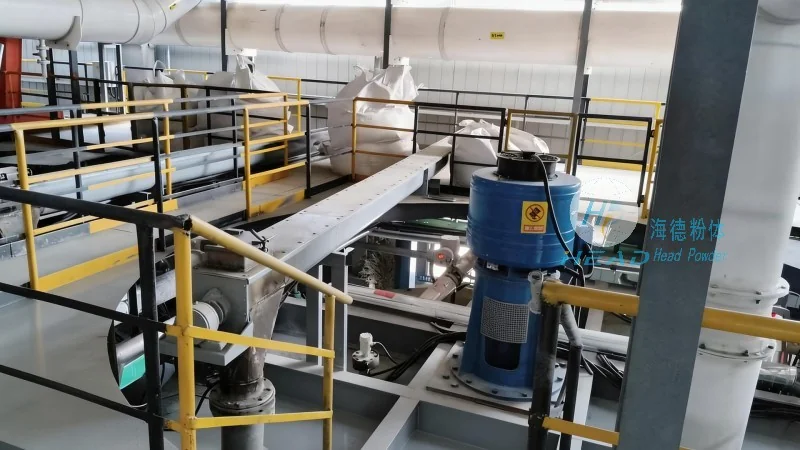
In the construction industry, magnesia-based products are used in building materials like magnesia cements and plasters. The pneumatic conveying system efficiently handles the powder during manufacturing, ensuring controlled delivery to mixing and packaging equipment. This maintains product consistency, essential for construction performance.
The benefits of using magnesia powder pneumatic conveying equipment extend beyond material handling. Maintaining powder purity and quality is critical for downstream process efficiency. The closed system reduces contamination risk and maintains particle size distribution, improving overall industrial operation efficiency and cost-effectiveness. Additionally, the closed design enhances workplace safety by minimizing dust exposure, a key advantage in fine powder handling industries.
Conclusion and Company Overview
Magnesia powder pneumatic conveying equipment is a highly effective solution for handling fine powders in industrial applications, offering a combination of efficiency, safety, and environmental benefits. The working principle of using compressed air to transport material through a closed pipeline system ensures consistent and reliable performance. Key features such as closed system design, flexibility, and energy efficiency make it a preferred choice across sectors. Applications span refractory, chemical, and construction industries, where magnesia powder quality is critical to final product success.
Shandong HeadPowder Engineering Co., Ltd., a leading manufacturer of pneumatic conveying equipment, specializes in customized magnesia powder handling solutions. With years of industry experience, the company has developed advanced systems tailored to specific application needs, ensuring optimal performance and reliability. The company's commitment to quality and innovation has made it a trusted partner for industrial clients, providing efficient and safe material handling solutions. Located in Shandong, China, HeadPowder Engineering Co., Ltd. remains at the forefront of developing advanced pneumatic conveying systems for fine powders like magnesia, contributing to industrial growth and efficiency worldwide.




