For industrial applications involving desulfurization and denitrification processes, the efficient handling of chemical agents is critical. Pneumatic conveying systems have emerged as a reliable solution for transporting these materials, offering advantages in terms of safety, flexibility, and operational efficiency. This article explores the working principle and key features of such systems, highlighting their application in the context of desulfurization and denitrification agents.
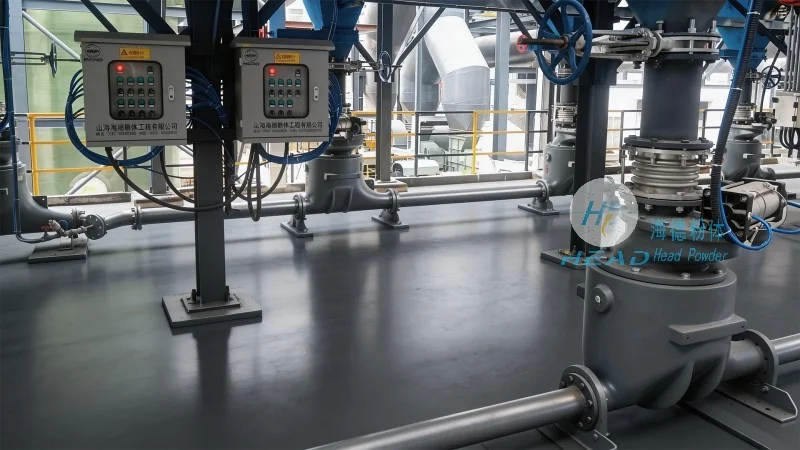
Introduction to Pneumatic Conveying Systems for Desulfurization and Denitrification Agents
Shandong HeadPowder Engineering Co., Ltd., a leading provider in the field, specializes in the design and implementation of advanced material handling solutions. Based in Shandong, China, the company leverages decades of expertise to deliver systems tailored to the unique requirements of desulfurization and denitrification operations. The following sections delve into the fundamental principles and distinctive characteristics of pneumatic conveying systems used for these critical chemical agents.
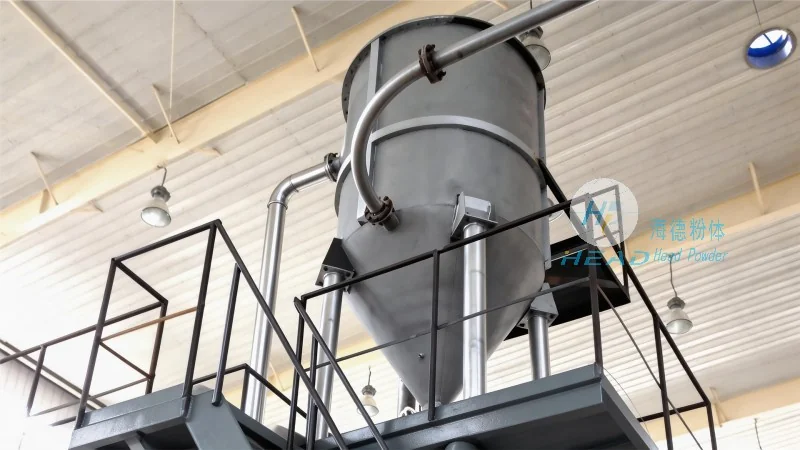
Working Principle of Pneumatic Conveying Systems
The core mechanism of a pneumatic conveying system involves the use of air or other gases to transport bulk materials through a pipeline network. In the case of desulfurization and denitrification agents, which often include powders or granules, the system operates by creating a pressure differential that propels the material forward. The process typically begins with the material being fed into a hopper or feeder, where it is then introduced into the conveying line. Compressed air is then introduced at the inlet, generating a flow that entrains the particles and moves them through the pipeline. The system may employ various configurations, such as pressure or vacuum systems, depending on the specific application and material characteristics. For desulfurization agents, which may be fine powders prone to dust generation, a pressure system is often preferred to maintain consistent flow and minimize particle loss. The air flow is carefully controlled to ensure the material is conveyed without clogging or degradation, maintaining the integrity of the chemical agents throughout the process.
Key Features of Pneumatic Conveying Systems for Desulfurization and Denitrification Agents
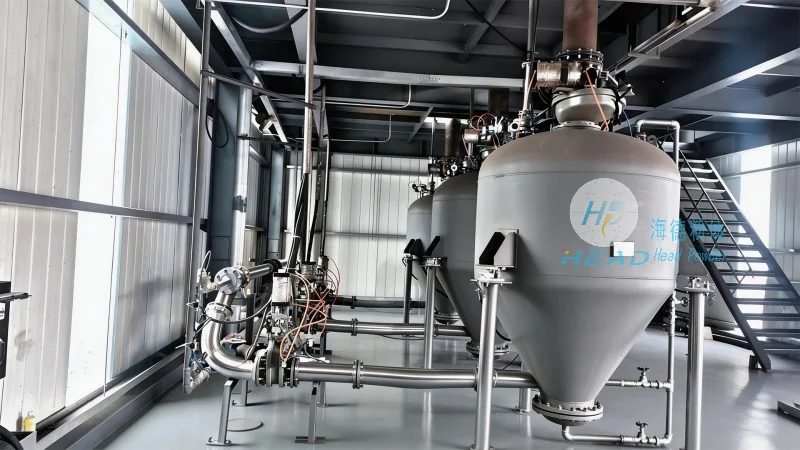
Several key features distinguish pneumatic conveying systems as an optimal choice for handling desulfurization and denitrification agents. Firstly, the system offers a dust-free and enclosed environment, which is essential for maintaining the purity of the chemical agents and ensuring compliance with environmental regulations. This enclosed design also enhances safety by preventing the release of hazardous particles into the workplace. Secondly, the flexibility of pneumatic conveying allows for easy integration with existing industrial processes, enabling seamless transfer of materials between storage, processing, and reaction units. The ability to transport materials over long distances without the need for intermediate storage or manual handling reduces operational costs and improves overall efficiency. Additionally, the system's ability to handle a wide range of particle sizes and flow rates makes it adaptable to various desulfurization and denitrification applications, from small-scale laboratory setups to large-scale industrial plants. The use of high-quality materials and components in the construction of these systems ensures durability and longevity, minimizing maintenance requirements and downtime. Furthermore, the system's energy efficiency, particularly when optimized for specific material properties, contributes to lower operational costs and reduced environmental impact. The combination of these features makes pneumatic conveying an attractive solution for industries seeking reliable and efficient handling of desulfurization and denitrification agents.
Conclusion and Application Scope
In conclusion, pneumatic conveying systems provide a robust and efficient method for transporting desulfurization and denitrification agents. The working principle, which relies on air pressure to move materials through a pipeline, ensures consistent and controlled delivery of these critical chemical agents. The key features, including enclosed operation, flexibility, and energy efficiency, address the specific challenges associated with handling these materials. As a result, such systems are widely adopted in power plants, chemical manufacturing facilities, and other industrial settings where desulfurization and denitrification are integral to environmental compliance and operational performance. Shandong HeadPowder Engineering Co., Ltd. continues to innovate in this field, offering tailored solutions that meet the evolving needs of industrial clients while adhering to the highest standards of safety and performance.




