Acrylic esters rubber material pneumatic conveying systems represent a sophisticated solution for the efficient handling and transportation of rubber materials, particularly those with specific chemical and physical properties. These systems are designed to address the unique challenges associated with processing acrylic esters rubber, ensuring reliable performance and minimal material degradation during transport. Understanding the working principle and key features of such systems is crucial for industries relying on these materials, as it directly impacts operational efficiency, safety, and overall production quality.
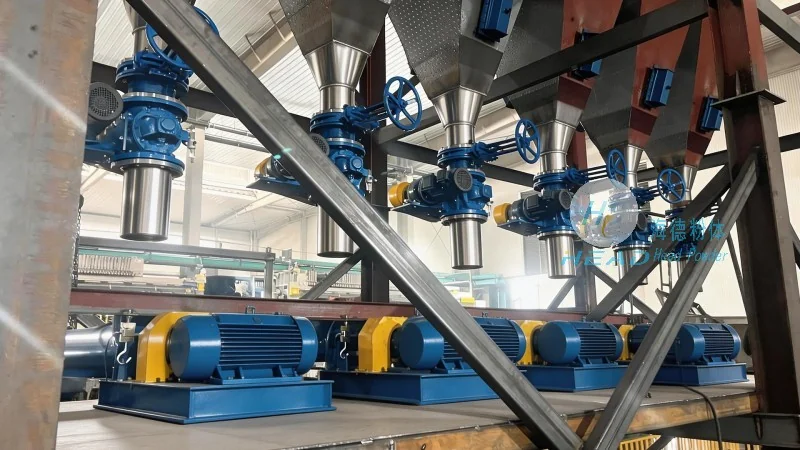
Working Principle of Acrylic Esters Rubber Material Pneumatic Conveying Systems
The core mechanism of acrylic esters rubber material pneumatic conveying systems involves the use of air or gas as the conveying medium to transport solid particles, in this case, acrylic esters rubber material. The process typically begins with the material being fed into a hopper or feeder, where it is then introduced into a pipeline. A fan or blower generates a flow of air, creating a pressure differential that propels the rubber particles through the system. The system may employ different conveying modes, such as dilute phase or dense phase, depending on the material characteristics and required transport distance. Dilute phase systems use higher air velocities to keep particles suspended, while dense phase systems use lower velocities to form a slurry-like flow, reducing particle impact and wear on equipment. The entire process is controlled by a series of valves, sensors, and control panels to ensure consistent material flow and system stability. The working principle also includes the incorporation of filters and cyclones to separate the conveying medium from the rubber material, allowing for recycling of the air and proper disposal of the material.
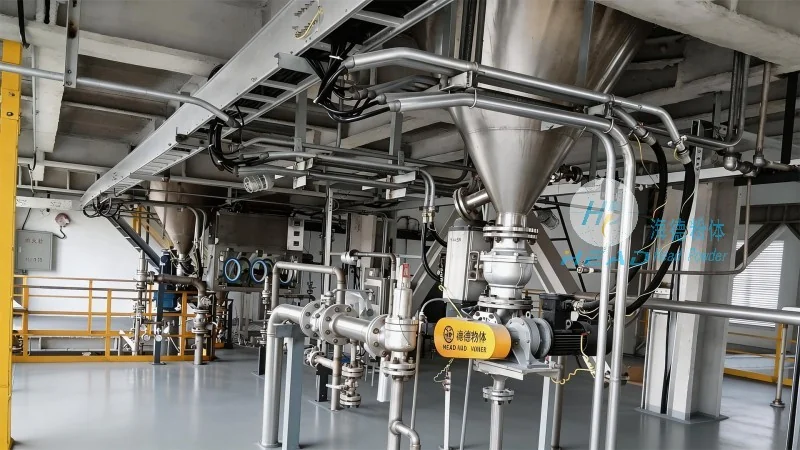
Key Features of Acrylic Esters Rubber Material Pneumatic Conveying Systems
Acrylic esters rubber material pneumatic conveying systems are characterized by several key features that enhance their performance and adaptability. Firstly, these systems offer high flexibility in terms of material handling, as they can transport rubber materials over varying distances and through complex layouts without the need for extensive mechanical components. The use of air as the conveying medium eliminates the need for mechanical conveyors, reducing maintenance costs and minimizing the risk of material contamination. Additionally, the systems are designed to handle materials with different particle sizes and shapes, ensuring consistent flow and preventing blockages. Another important feature is the ability to integrate with existing production lines, allowing for seamless integration of the conveying system into the overall manufacturing process. The systems also incorporate advanced control technologies, such as variable frequency drives (VFDs) and pressure sensors, to optimize air usage and maintain stable material transport. Safety features, including pressure relief valves and emergency shut-off mechanisms, are also standard to ensure operational safety. Furthermore, the systems are constructed from materials resistant to the chemical properties of acrylic esters rubber, preventing corrosion and ensuring long-term durability. The combination of these features makes acrylic esters rubber material pneumatic conveying systems a reliable and efficient solution for industries requiring precise and safe material transport.
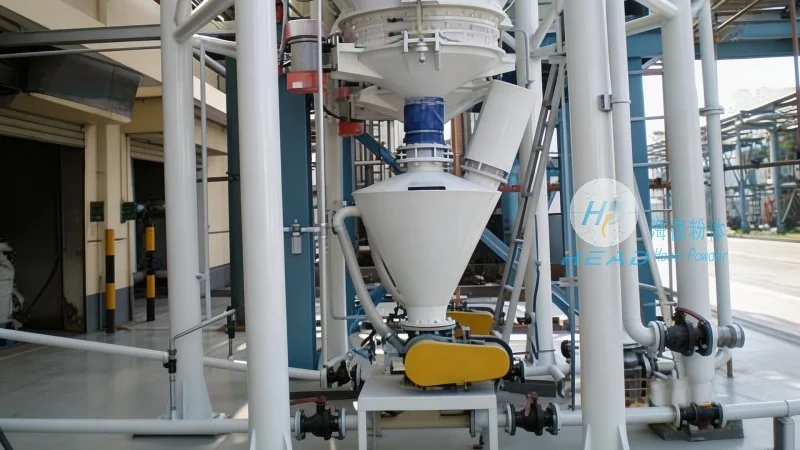
About HeadPowder: Shandong HeadPowder Engineering Co., Ltd.
HeadPowder, or Shandong HeadPowder Engineering Co., Ltd., is a leading provider of specialized engineering solutions for material handling and processing. With a focus on innovation and customer-centric design, the company has established itself as a trusted partner in the industry, offering tailored pneumatic conveying systems for a wide range of applications. HeadPowder's expertise lies in understanding the unique requirements of different materials, including acrylic esters rubber, and developing systems that meet both operational and safety standards. The company's facilities are located in Shandong, China, where it leverages advanced manufacturing technologies and a skilled workforce to produce high-quality equipment. HeadPowder's commitment to quality and customer satisfaction is reflected in its comprehensive after-sales support, including maintenance services and technical assistance. By combining technical expertise with practical application, HeadPowder ensures that its pneumatic conveying systems deliver optimal performance and contribute to the overall efficiency of its clients' operations.




