Efficient material handling is a critical aspect of modern cement and fly ash production processes. The pneumatic conveying system for cement and fly ash materials represents a sophisticated solution that enhances operational efficiency while ensuring environmental compliance. This article delves into the working principle and key characteristics of such systems, providing a comprehensive overview for industry professionals seeking to understand or implement these technologies.
Overview of Pneumatic Conveying Systems for Cement and Fly Ash
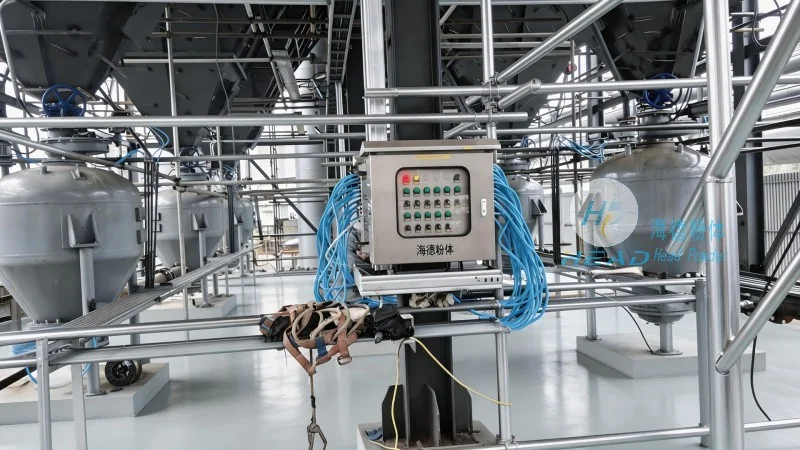
At the core of cement and fly ash material handling, pneumatic conveying systems offer a reliable method to transport bulk materials over short to medium distances. These systems are widely adopted in the cement industry due to their ability to handle abrasive and dusty materials like fly ash, a byproduct of coal combustion. The technology involves the use of air or gas to move materials through a network of pipes, eliminating the need for mechanical components like belts or buckets that may suffer from wear and tear in high-abrasion environments.
The Working Principle of Cement Fly Ash Pneumatic Conveying Systems
The fundamental principle of pneumatic conveying is the creation of a pressure differential that propels material through the system. There are two primary modes of operation: suction (or negative pressure) and pressure (or positive pressure) conveying. In suction systems, a vacuum is generated at the material intake point, drawing the material into the pipeline along with air. Conversely, pressure systems use a positive pressure from a blower or compressor to push material through the system. For cement and fly ash, a combination of these modes is often employed to optimize performance and energy efficiency.
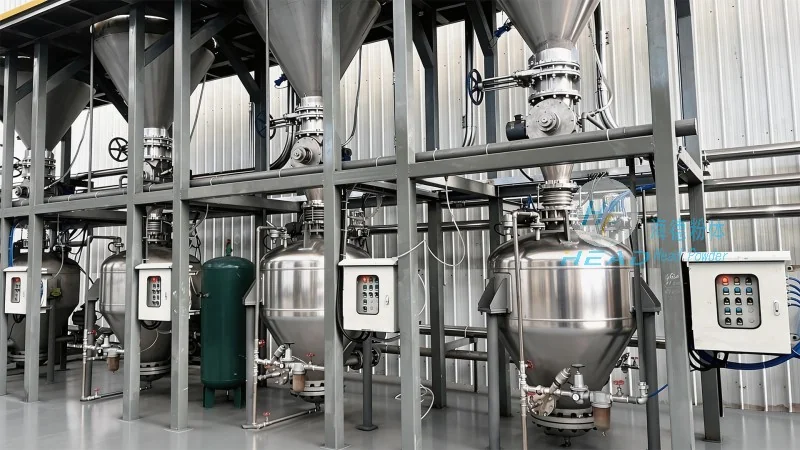
Key components of a typical pneumatic conveying system include a material feeder, a conveying line (often made of stainless steel or other corrosion-resistant materials to withstand the abrasive nature of fly ash), a separation unit (such as a cyclone or bag filter), and a control system. The material feeder ensures a consistent flow of material into the system, while the conveying line transports it to the destination. The separation unit removes the material from the air stream, allowing the air to be recirculated or discharged, thus maintaining system efficiency and preventing material loss.
Key Characteristics and Advantages of Cement Fly Ash Pneumatic Conveying Systems
Several distinct characteristics make pneumatic conveying systems particularly suitable for cement and fly ash applications. Firstly, they offer high efficiency in material transport, with the ability to move large volumes of material over long distances with minimal energy consumption compared to traditional methods like trucks or conveyors. Secondly, these systems are highly adaptable, capable of handling a wide range of material types and particle sizes, including fine powders like fly ash. This adaptability is crucial in cement production, where fly ash is often used as a supplementary cementitious material.
Environmental benefits are another significant characteristic. Pneumatic conveying systems minimize dust emissions and reduce the risk of material spillage, contributing to a cleaner and safer working environment. Unlike mechanical systems that may generate noise and vibration, pneumatic systems operate quietly and smoothly, enhancing workplace safety. Additionally, the closed-loop design of many systems allows for better control over material handling, preventing contamination and ensuring product quality.
Operational flexibility is also a key advantage. Modern pneumatic conveying systems can be easily integrated with existing production lines, allowing for seamless material transfer between processes. They can be configured for both continuous and batch operations, providing flexibility to meet varying production demands. The ability to adjust conveying rates and pressure levels in real-time further enhances operational control, ensuring optimal performance under different conditions.
Application in Cement and Fly Ash Production
In the context of cement production, pneumatic conveying systems are extensively used for transporting raw materials like limestone and clay, as well as finished products like cement. For fly ash, which is often sourced from power plants and used as a supplementary cementitious material (SCM) in cement, these systems are essential for its efficient handling and incorporation into the production process. The ability to handle fine, abrasive materials like fly ash without significant wear on equipment makes pneumatic systems a preferred choice in this industry.
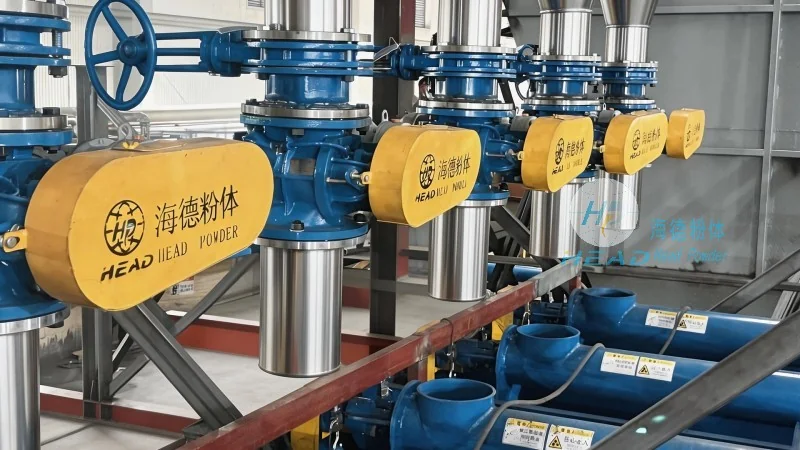
The integration of pneumatic conveying with other processes, such as grinding and mixing, allows for a streamlined production workflow. By efficiently transporting fly ash from storage to the cement mill or mixing plant, these systems contribute to improved production efficiency and reduced downtime. This is particularly important in large-scale cement plants where material handling is a critical bottleneck.
Conclusion and Company Profile
Pneumatic conveying systems for cement and fly ash materials are a vital technology in modern cement production, offering significant advantages in efficiency, environmental performance, and operational flexibility. The working principle, which relies on air pressure differentials and a well-designed system of components, enables the reliable transport of bulk materials while minimizing operational risks.
Shandong HeadPowder Engineering Co., Ltd., a leading provider of material handling solutions, specializes in the design, manufacturing, and installation of pneumatic conveying systems tailored to the needs of the cement and fly ash industry. With a strong presence in China, particularly in Shandong, the company leverages its expertise to deliver customized solutions that enhance productivity and sustainability for its clients. HeadPowder's commitment to quality and innovation ensures that its systems meet the highest standards of performance and reliability, supporting the long-term success of cement production facilities worldwide.




