Understanding the principles and application scenarios of ceramic powder pneumatic conveying is crucial for optimizing material handling processes in the ceramics industry. This article provides an in-depth exploration of the underlying mechanisms and practical implementations of pneumatic conveying systems designed for ceramic powders, highlighting the technical aspects and operational advantages that make such systems effective in various industrial settings.
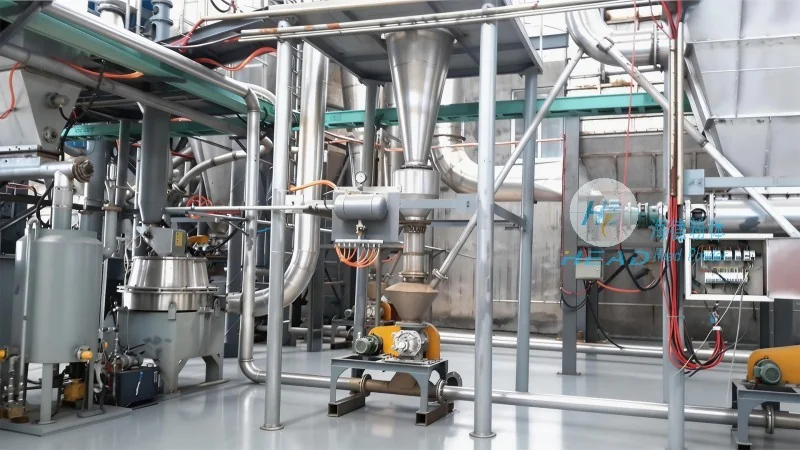
Introduction to Ceramic Powder Pneumatic Conveying
Pneumatic conveying, also known as air conveying, is a method of transporting bulk materials, including fine powders like ceramic powders, through a pipeline using a gas stream, typically air. The process involves creating a flow of air that entrains the powder particles, moving them from the source to the destination. This technique is widely adopted in the ceramics sector due to its ability to handle delicate, abrasive, or hygroscopic powders without the need for mechanical components that might cause contamination or degradation.
The Core Principles of Pneumatic Conveying
The fundamental principle of pneumatic conveying relies on the interaction between the gas and solid particles. When air is introduced into a pipe at a sufficient velocity, it creates a pressure drop that draws the powder particles into the flow. The key parameters influencing the conveying process include air velocity, pressure, and the particle size, density, and moisture content of the ceramic powder. Properly balancing these factors ensures efficient and reliable transport of the material. The system typically consists of a feeding device, a conveying line, and a discharge mechanism, with optional components like filters, cyclones, or silos for material separation and storage.
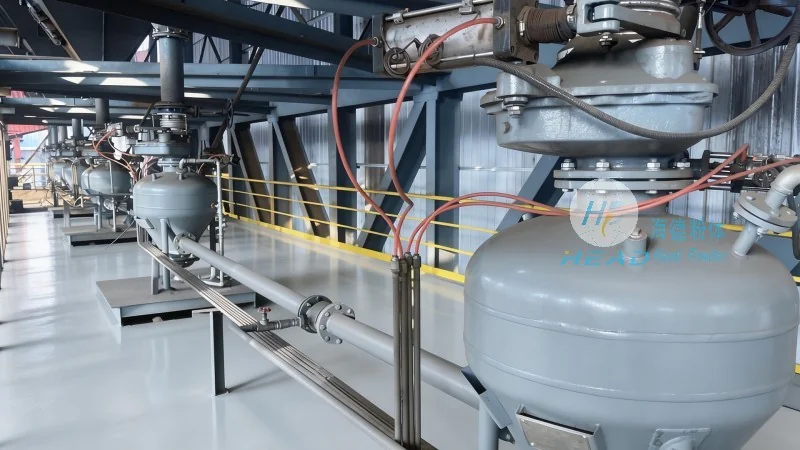
Types of Pneumatic Conveying Systems
There are two primary categories of pneumatic conveying systems: dilute-phase and dense-phase. Dilute-phase systems operate at higher air velocities, moving particles in a dispersed state, suitable for short distances or low to moderate material loads. Dense-phase systems, on the other hand, use lower air velocities and higher pressure to transport particles in a slurry-like state, ideal for longer distances or high material loads where minimal particle degradation is required. For ceramic powders, which are often fine and sensitive, dense-phase systems are frequently preferred to prevent agglomeration and maintain particle integrity during transport.
Application Scenarios in the Ceramic Industry
Ceramic powder pneumatic conveying is applied in numerous stages of ceramic production, from raw material handling to finished product processing. In the raw material stage, systems are used to transport raw clays, feldspar, and other mineral powders from storage silos to mixing and milling equipment. During the production of ceramic products, such as tiles, sanitaryware, or refractory materials, pneumatic conveying is employed to move colored pigments, glazes, and additives to the extrusion or molding lines. Post-processing, the system can be used to transport finished ceramic powders or waste materials for recycling or disposal, ensuring a seamless material flow throughout the entire production cycle.
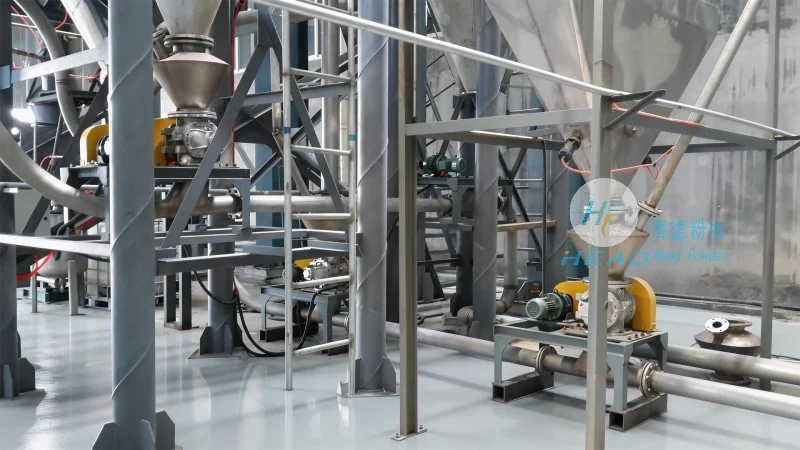
Advantages of Pneumatic Conveying for Ceramic Powders
Implementing pneumatic conveying for ceramic powders offers several advantages over traditional mechanical conveying methods. Firstly, it eliminates the need for moving parts like screws or belts, reducing maintenance costs and minimizing the risk of contamination from wear and tear. Secondly, the enclosed pipeline system prevents dust emissions, improving workplace safety and environmental compliance. Thirdly, the system can handle a wide range of particle sizes and moisture contents, making it versatile for different types of ceramic powders. Additionally, pneumatic conveying allows for precise control over material flow rates and pressure, enabling better process control and quality consistency in ceramic manufacturing.
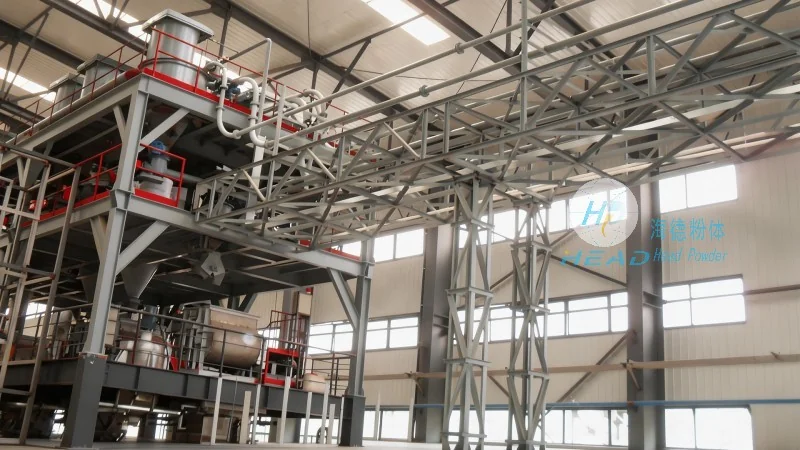
Key Considerations for System Design and Operation
Designing an effective pneumatic conveying system for ceramic powders requires careful consideration of several factors. The choice between dilute-phase and dense-phase systems depends on the specific application requirements, including the distance to be covered, the material load, and the desired particle integrity. The air velocity must be optimized to prevent particle deposition or excessive wear on the pipeline. The system's pressure and flow rate are critical parameters that need to be monitored and adjusted to maintain efficient operation. Regular maintenance, such as cleaning filters and checking for air leaks, is essential to ensure the longevity and reliability of the system. Additionally, proper material handling practices, including moisture control and particle size reduction, can enhance the performance of the pneumatic conveying system.
Case Study: Application by Shandong HeadPowder Engineering Co., Ltd.
Shandong HeadPowder Engineering Co., Ltd., a leading provider of material handling solutions, has successfully implemented pneumatic conveying systems for ceramic powders in various industrial projects. One notable application involved the transport of fine ceramic glazes from storage silos to a tile manufacturing line. The system, designed as a dense-phase pneumatic conveyor, ensured minimal particle degradation and consistent color uniformity in the final products. The company's expertise in system design and customization allowed for the integration of advanced control features, enabling real-time monitoring of flow rates and pressure, which improved overall process efficiency. The success of this project highlights the effectiveness of pneumatic conveying in enhancing the quality and productivity of ceramic production processes.




