HeadPowder, a leading provider in material handling solutions, specializes in advanced pneumatic conveying systems tailored for the efficient transport of potassium carbonate. This article explores the fundamental principles behind potassium carbonate pneumatic conveying and highlights key application scenarios where such systems excel.
Understanding the Pneumatic Conveying Principle for Potassium Carbonate
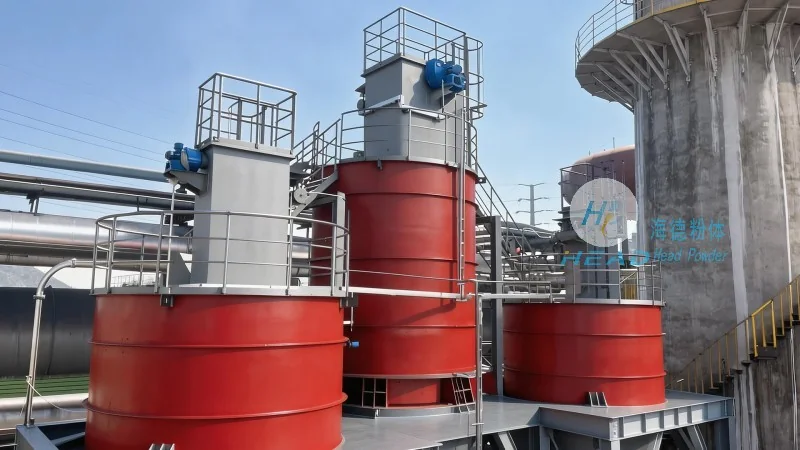
Potassium carbonate, a white crystalline powder commonly used in industrial processes such as glass manufacturing, food processing, and chemical synthesis, presents unique handling challenges due to its fine particle size and hygroscopic nature. Traditional bulk material handling methods often struggle with dust generation, material degradation, and operational inefficiencies. Pneumatic conveying offers a solution by utilizing air or gas to transport the material through a closed pipeline system. The core principle involves creating a flow of air that entrains the potassium carbonate particles, moving them from the source to the destination without the need for mechanical components like belts or buckets.
The system typically operates under either positive pressure (pressure conveying) or negative pressure (vacuum conveying). In pressure conveying, a blower or compressor generates high-pressure air that forces the material through the pipeline. This method is ideal for long-distance or high-volume transport. Vacuum conveying, on the other hand, uses a vacuum pump to create a low-pressure environment that draws the material into the system, often suitable for shorter distances or when the material is sensitive to pressure changes. The choice of system depends on factors like the distance between the source and destination, the material's properties, and the required throughput.
Key Components of a Potassium Carbonate Pneumatic Conveying System
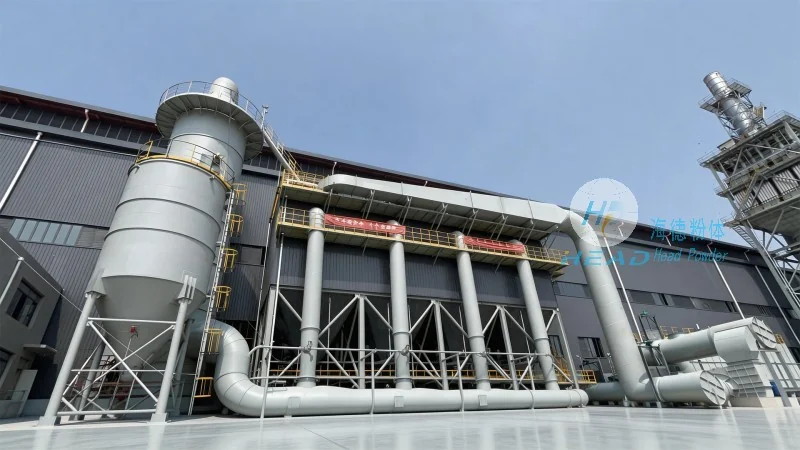
An effective pneumatic conveying system for potassium carbonate consists of several critical components that work in tandem to ensure reliable operation. These include the material feed hopper, which holds the bulk potassium carbonate and regulates the flow into the system; the air supply unit, which provides the necessary air pressure or vacuum; the conveying pipeline, made from materials resistant to corrosion and abrasion (such as stainless steel or polyethylene); and the receiving hopper or silo, where the material is deposited at the destination. Additional components may include filters to remove dust from the air stream, cyclone separators to separate material from air, and control valves to regulate the flow rate and pressure.
Application Scenarios for Potassium Carbonate Pneumatic Conveying
The versatility of pneumatic conveying makes it suitable for a wide range of industrial applications involving potassium carbonate. In the glass industry, for example, potassium carbonate is used as a flux to lower the melting point of silica. Pneumatic conveying systems efficiently transport the material from storage silos to the glass melting furnaces, ensuring consistent quality and minimizing downtime. Similarly, in the food and beverage sector, where potassium carbonate is used as a food additive or buffering agent, the system maintains product purity by preventing contamination and dust exposure.
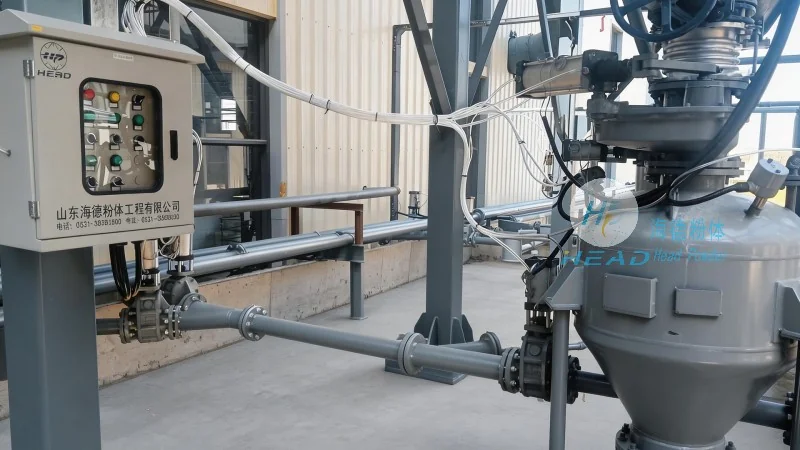
In chemical manufacturing, the material is often processed in large batches, requiring high-throughput conveying solutions. Pneumatic systems can handle these large volumes while maintaining precise control over the flow rate, which is crucial for maintaining product consistency. The hygroscopic nature of potassium carbonate means that the conveying system must be designed to minimize exposure to moisture, as this can affect the material's properties and performance. Proper sealing and moisture-resistant materials in the system components are essential to prevent material degradation.
Advantages of Using Pneumatic Conveying for Potassium Carbonate
Compared to traditional mechanical conveying methods, pneumatic conveying offers several advantages for handling potassium carbonate. One of the most significant benefits is the reduction in dust generation and associated health and safety risks. The closed pipeline system prevents dust from escaping into the environment, making it safer for workers and reducing the need for extensive dust control measures. Additionally, pneumatic systems are more flexible in terms of layout, as the pipeline can be routed around obstacles, allowing for more efficient use of space in industrial facilities.
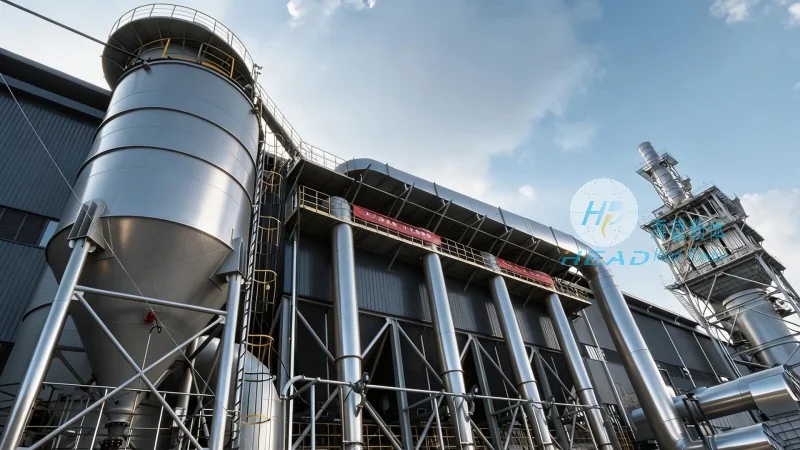
The system also provides better control over the material's temperature and moisture content, which is critical for maintaining the quality of potassium carbonate. By minimizing exposure to external factors, the material remains in its optimal state until it reaches the processing stage. Furthermore, pneumatic conveying can handle materials with varying particle sizes and densities, making it suitable for a wide range of applications. The ability to transport materials over long distances without the need for intermediate storage or handling points also contributes to operational efficiency.
Conclusion
HeadPowder Engineering Co., Ltd., based in Shandong, China, specializes in designing and manufacturing advanced pneumatic conveying systems tailored to the unique needs of potassium carbonate handling. By leveraging the principles of pneumatic transport, these systems offer efficient, safe, and reliable solutions for industrial applications. Whether used in glass manufacturing, food processing, or chemical synthesis, the benefits of pneumatic conveying in maintaining product quality and operational efficiency make it an indispensable technology for handling potassium carbonate. With a focus on innovation and customer-centric solutions, HeadPowder continues to lead the way in material handling technology, ensuring that clients can achieve optimal performance and productivity in their operations.




