Understanding the fundamental principles and operational characteristics of dry ash powder conveying systems is crucial for industries dealing with bulk material handling, particularly in power plants and industrial facilities where ash management is a critical process. These systems are designed to efficiently transport dry ash powders from one location to another, ensuring safe and reliable material movement while minimizing environmental impact and operational costs.
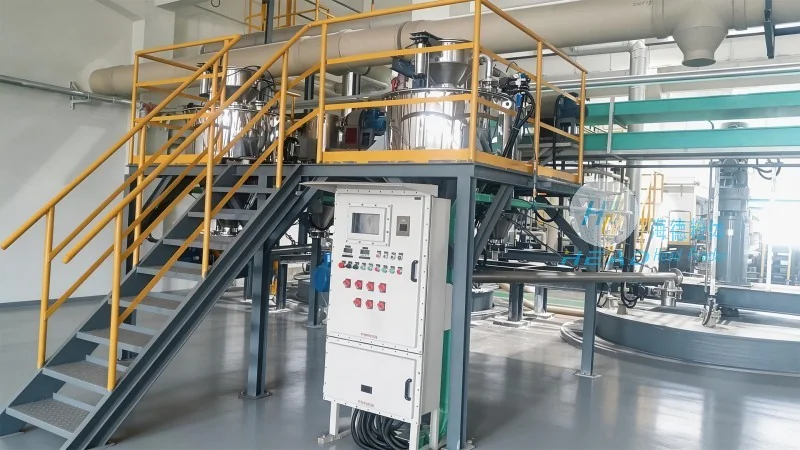
Core Principles of Dry Ash Powder Conveying
The operation of dry ash powder conveying systems is based on several key principles that ensure effective material transport. These include the use of pneumatic or mechanical methods to move the dry ash, maintaining consistent particle size and moisture content, and controlling the flow rate to prevent blockages or degradation of the material. The systems typically incorporate components such as hoppers, feeders, pipelines, and control valves that work in tandem to achieve smooth and continuous conveying. The choice of conveying method—whether pneumatic (air-assisted) or mechanical (e.g., screw conveyors, belt conveyors)—depends on factors like the ash characteristics, distance to be covered, and desired throughput. Pneumatic systems are often preferred for longer distances or when handling fine powders, as they can maintain the material in a suspended state, reducing friction and wear on equipment. Mechanical systems, on the other hand, are suitable for shorter distances or when handling larger particles, offering a more direct and cost-effective solution.
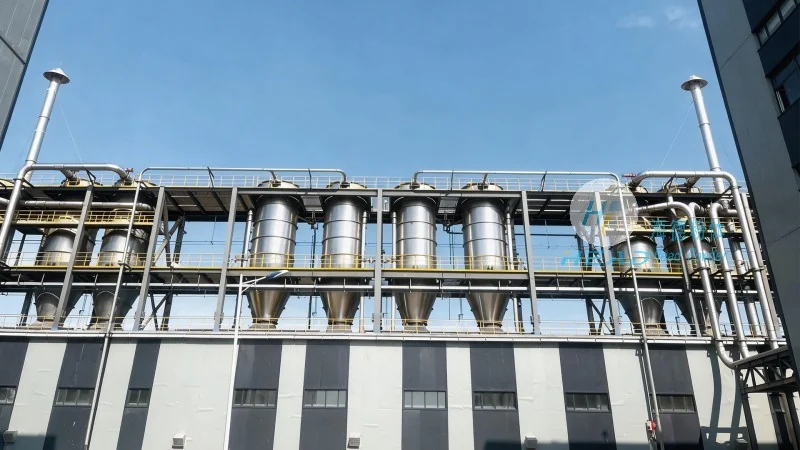
Working Scene Characteristics
Dry ash powder conveying systems are applied in diverse working environments, each with unique requirements that influence system design and performance. In power plants, for example, these systems are used to transport fly ash from the boiler to storage silos or disposal sites, ensuring that the ash is handled safely and in compliance with environmental regulations. The working scene in such facilities involves high volumes of ash, often with varying particle sizes and moisture levels, which necessitates robust and flexible conveying solutions. Another common application is in industrial facilities that generate ash as a byproduct of combustion processes, where the system must integrate with existing infrastructure to minimize disruption to production. The characteristics of the working scene, including the layout of the facility, the distance between source and destination, and the need for automation, all play a role in determining the optimal conveying system. For instance, in a compact industrial setting, a compact mechanical conveyor might be preferred to save space, while in a large-scale power plant, a combination of pneumatic and mechanical systems might be used to handle different stages of the ash flow.
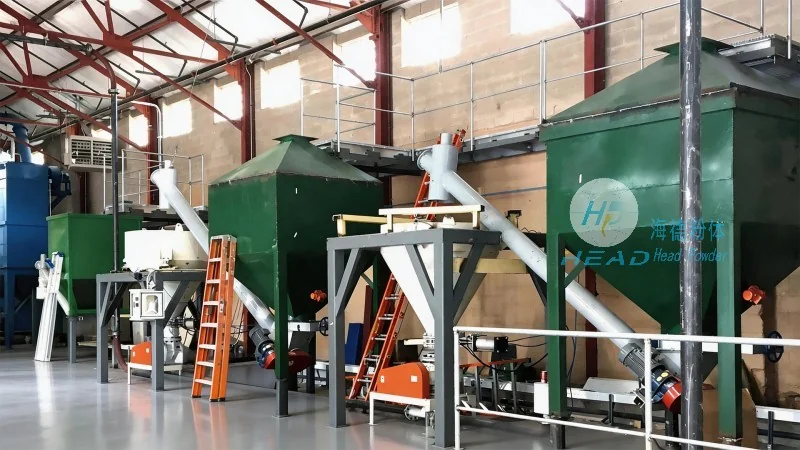
Company Profile: Shandong HeadPowder Engineering Co., Ltd.
HeadPowder, as a leading provider of dry ash powder conveying solutions, specializes in designing and manufacturing systems tailored to the specific needs of industrial clients. With a strong presence in Shandong, China, the company leverages its expertise in material handling technology to deliver high-quality, reliable equipment that meets industry standards. The company’s products are engineered to ensure durability, efficiency, and safety, addressing the unique challenges of ash management in various working environments. By focusing on customer requirements and technological innovation, HeadPowder has established itself as a trusted partner in the bulk material handling sector, providing comprehensive solutions that enhance operational efficiency and reduce environmental impact.




