HeadPowder, a prominent enterprise in the field of powder handling technology, specializes in the design, manufacturing, and implementation of advanced low-pressure continuous powder conveying systems. Based in Shandong, China, the company has established itself as a reliable partner for industries seeking efficient and reliable solutions for transporting bulk powders. This article delves into the core principles of low-pressure continuous powder conveying lines and explores the distinct characteristics of their working scenarios, providing insights into how these systems enhance operational efficiency across various sectors.
Principle of Low-Pressure Continuous Powder Conveying Lines
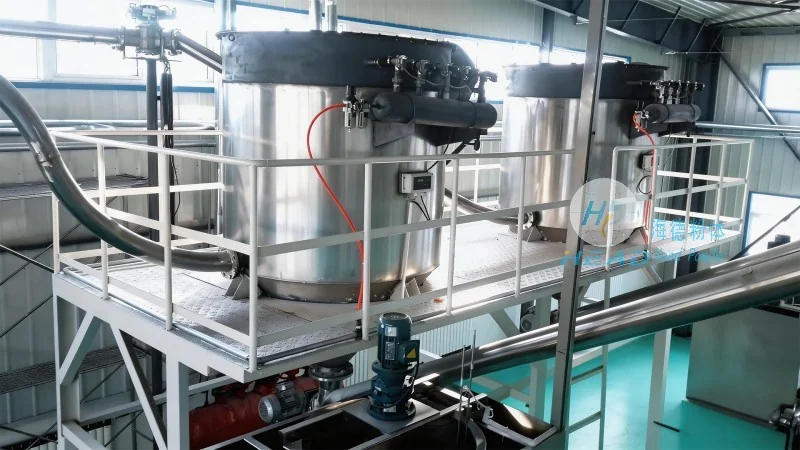
Low-pressure continuous powder conveying lines operate on the fundamental principle of pneumatic transport, where powders are conveyed through a pipeline using a controlled flow of low-pressure air. Unlike high-pressure systems, which rely on high velocity air to move materials, low-pressure systems utilize a steady, moderate airflow that creates a slight negative pressure within the pipeline. This approach ensures that the powder particles are suspended and transported smoothly without causing excessive wear on the equipment or generating high levels of dust. The system typically consists of a hopper, a feeder, a pipeline network, and a receiver, all working in tandem to achieve continuous, unidirectional movement of the material. The feeder, often a rotary valve or a screw feeder, regulates the flow of powder into the pipeline, while the air compressor or blower maintains the necessary airflow to keep the powder in suspension. This continuous operation minimizes downtime and maximizes throughput, making it ideal for applications requiring consistent and reliable material handling.
Working Scene Characteristics of Low-Pressure Continuous Powder Conveying Lines
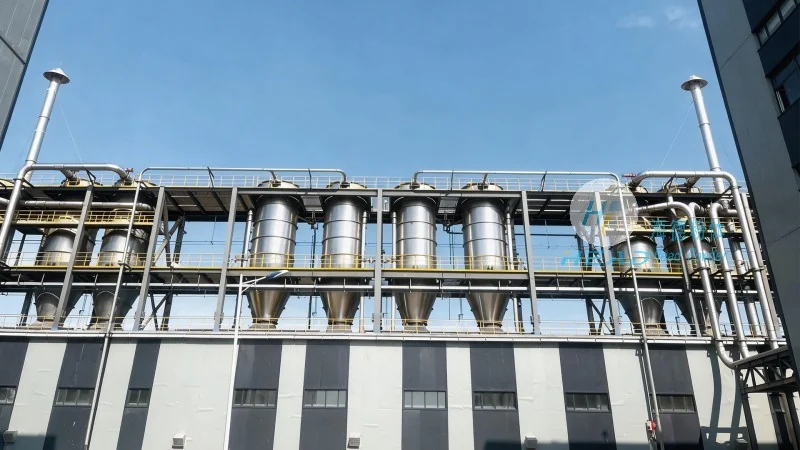
The working scene characteristics of low-pressure continuous powder conveying lines are tailored to meet the diverse needs of modern industrial processes. These systems are characterized by their ability to handle a wide range of powder types, from fine powders like cement and flour to bulkier materials such as coal and minerals. The low-pressure design ensures that the conveying process is gentle on the powder particles, preserving their integrity and preventing agglomeration or degradation. This is particularly important in industries where product quality is paramount, such as food processing, pharmaceuticals, and cosmetics. Additionally, the continuous nature of the system allows for seamless integration with downstream processes, such as mixing, packaging, or further processing, reducing the need for manual handling and improving overall workflow efficiency.
Typical Working Scenarios and Industry Applications
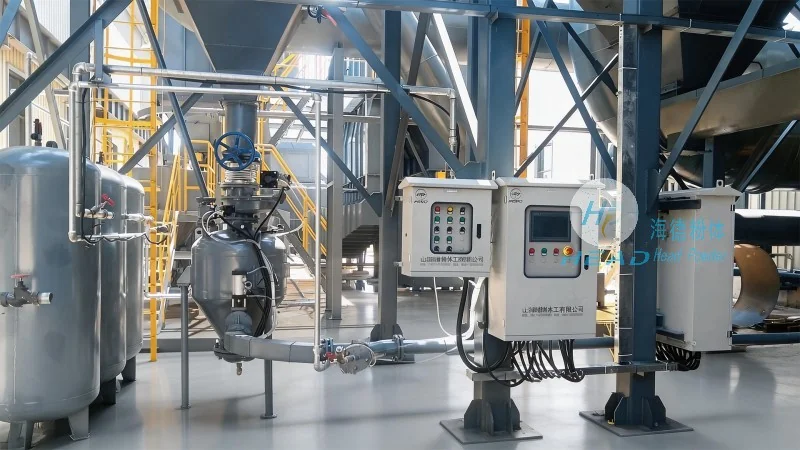
Low-pressure continuous powder conveying lines are widely employed across multiple industries, each presenting unique challenges and requirements. In the chemical industry, these systems are used to transport raw materials like limestone, clays, and pigments to production lines, ensuring a steady supply of ingredients for manufacturing processes. The food and beverage sector utilizes low-pressure conveying for handling ingredients such as sugar, flour, and spices, maintaining hygiene standards and preventing contamination. The pharmaceutical industry benefits from these systems in the transport of active pharmaceutical ingredients (APIs) and excipients, where precision and cleanliness are critical. In the agricultural sector, low-pressure conveying is used to move bulk fertilizers and seeds, optimizing storage and distribution. Each of these scenarios highlights the adaptability and reliability of low-pressure continuous powder conveying lines, as they can be customized to suit specific material properties, flow rates, and operational conditions.
Advantages and Key Features in Real-World Operations
When deployed in real-world working scenarios, low-pressure continuous powder conveying lines offer several distinct advantages that contribute to enhanced operational performance. One of the primary benefits is energy efficiency, as the low-pressure operation requires less power compared to high-pressure systems, resulting in lower operational costs over time. The system also minimizes environmental impact by reducing dust emissions and the need for extensive filtration systems, aligning with sustainability goals. Another key feature is the flexibility of the pipeline network, which can be easily reconfigured or expanded to accommodate changes in production needs or facility layout. The continuous operation of the system ensures consistent material flow, reducing bottlenecks and improving production throughput. Furthermore, the gentle handling of powder particles preserves product quality, which is essential in industries where product purity and consistency are non-negotiable. These advantages make low-pressure continuous powder conveying lines a preferred choice for businesses seeking to optimize their material handling processes while maintaining high standards of efficiency and reliability.
Conclusion: The Role of Low-Pressure Continuous Powder Conveying Lines in Modern Manufacturing
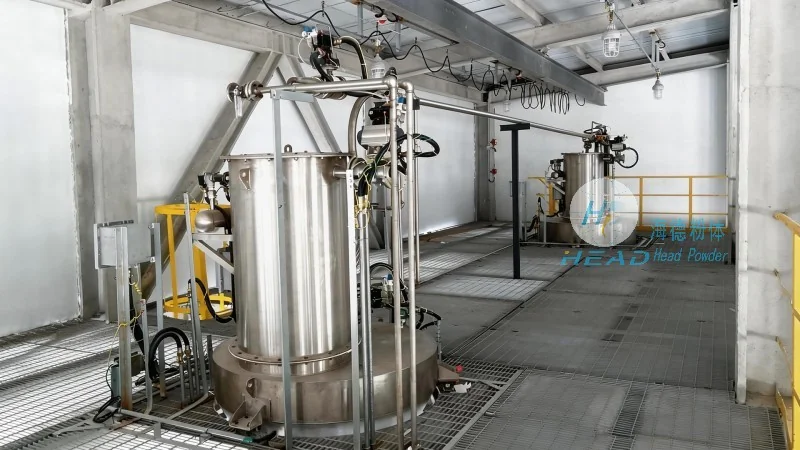
Low-pressure continuous powder conveying lines represent a sophisticated solution for the efficient and reliable transport of bulk powders in various industrial applications. By leveraging the principles of pneumatic transport with a focus on low-pressure operation, these systems address the challenges of traditional material handling methods, offering a blend of efficiency, flexibility, and environmental responsibility. As industries continue to evolve and demand higher standards of productivity and quality, the role of such advanced conveying systems becomes increasingly critical. HeadPowder, with its expertise in powder handling technology, continues to innovate and provide tailored solutions that meet the specific needs of its clients, ensuring that low-pressure continuous powder conveying lines remain a cornerstone of modern manufacturing processes. Whether in chemical, food, pharmaceutical, or agricultural sectors, these systems contribute significantly to operational excellence and sustainable growth.




