HeadPowder, a leading engineering company based in Shandong, China, specializes in the design and implementation of advanced material handling systems. This article delves into the fundamental principles of negative pressure dilute phase material conveying, exploring its operational mechanics and the diverse industrial applications where it excels. By understanding the core concepts and practical scenarios, businesses can leverage this technology to enhance efficiency, reduce operational costs, and improve safety in material transport processes.
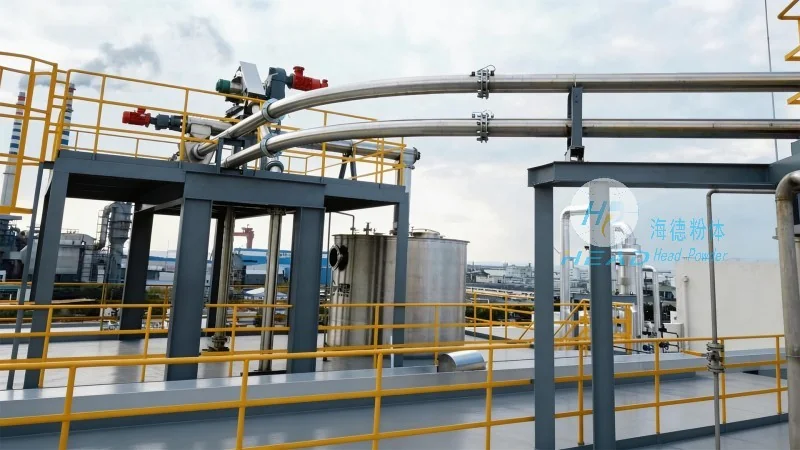
The Principle of Negative Pressure Dilute Phase Conveying
Negative pressure dilute phase material conveying operates on the principle of creating a vacuum or negative pressure within a sealed system to draw material particles into a transport line. Unlike positive pressure systems that force material through a pipeline, this method uses suction to pull material from a source, such as a hopper or storage silo, into the conveying line. The process involves several key components, including a vacuum pump, a filter or separator, and a transport pipeline. As material is drawn into the line, it is suspended in a low-density air stream, forming a dilute phase flow. This suspension allows for efficient transport over long distances and at varying heights, with minimal pressure drop and energy consumption compared to other conveying methods.
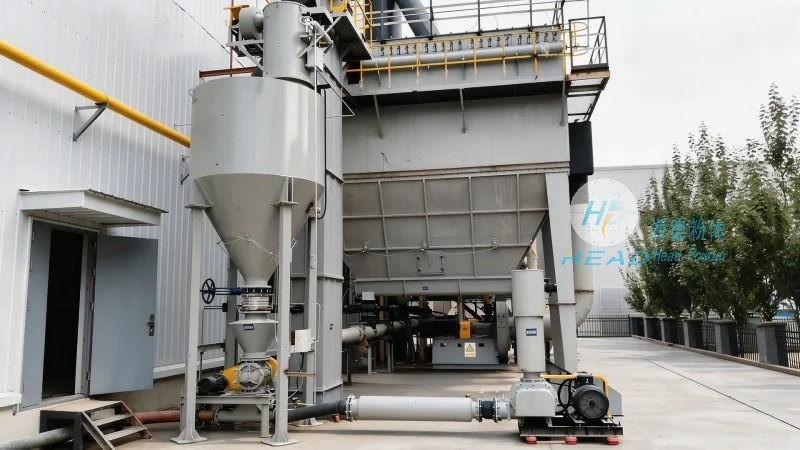
Key Working Scenario Characteristics
The effectiveness of negative pressure dilute phase conveying is defined by several critical characteristics that make it suitable for specific industrial environments. Firstly, it is ideal for handling fine or powdery materials that are prone to dusting or caking, as the low pressure and air suspension prevent material degradation and blockages. Secondly, the system is highly efficient for long-distance transport, often capable of moving materials over distances of several hundred meters or more, making it suitable for large-scale production facilities. Thirdly, the technology offers significant energy savings, as the vacuum pump operates at lower pressures and the system requires less maintenance compared to positive pressure systems. Additionally, negative pressure conveying is environmentally friendly, as it minimizes dust emissions and reduces the need for additional filtration systems, aligning with modern sustainability goals.
Industrial Applications and Case Studies
HeadPowder has successfully implemented negative pressure dilute phase conveying systems in a wide range of industries, including pharmaceuticals, food processing, and chemical manufacturing. For example, in a pharmaceutical plant, the system was used to transport fine powders from bulk storage to processing lines, ensuring a dust-free environment and maintaining product purity. In a food processing facility, the technology was employed to convey flour and other dry ingredients, reducing cross-contamination risks and improving overall hygiene standards. These applications highlight the versatility of negative pressure dilute phase conveying, which can be customized to meet the specific needs of different industries and production scales.
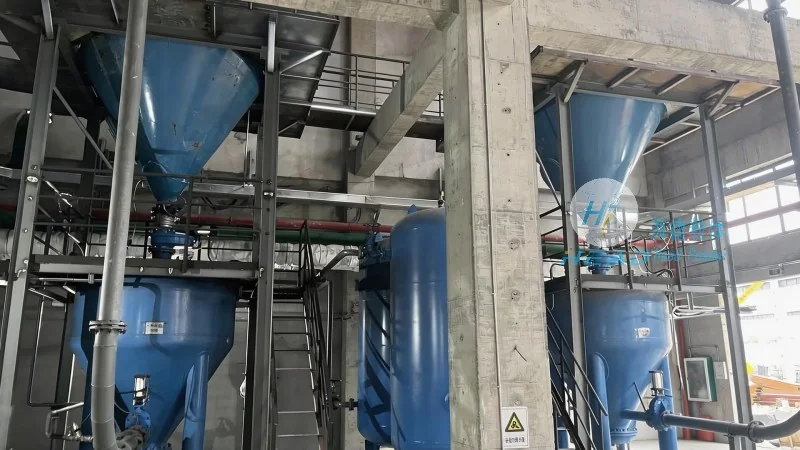
Advantages and Considerations for Implementation
When considering the adoption of negative pressure dilute phase material conveying, several advantages and considerations must be evaluated. The primary benefits include reduced energy consumption, lower maintenance costs, and improved material handling efficiency. However, the system requires careful design to ensure proper air flow and prevent material buildup in the pipeline. Additionally, the vacuum pump must be sized appropriately to handle the material's specific properties, such as particle size and moisture content. HeadPowder provides comprehensive engineering services to address these considerations, ensuring that each system is tailored to the client's unique requirements and operational constraints.




