Understanding the principles and application scenarios of dry ash material conveying is crucial for optimizing industrial processes in various sectors. This article delves into the fundamental mechanisms behind dry ash handling systems, highlighting key aspects that influence their effectiveness and suitability for different operational environments.
Introduction to Dry Ash Material Conveying
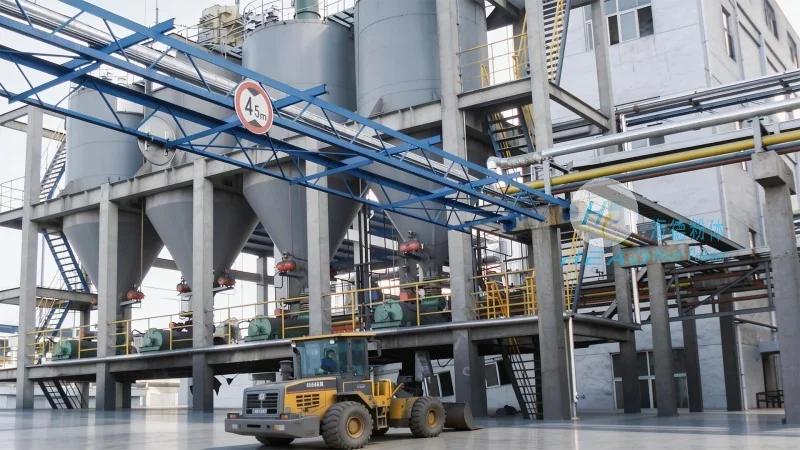
Dry ash material conveying refers to the technology and systems used to transport dry ash or similar powdery materials from one location to another within industrial facilities. This process is integral to the efficient management of byproducts from power generation, cement production, and other high-temperature industrial processes. The primary goal is to ensure safe, reliable, and cost-effective transportation while minimizing environmental impact and operational risks.
Core Principles of Dry Ash Conveying Systems
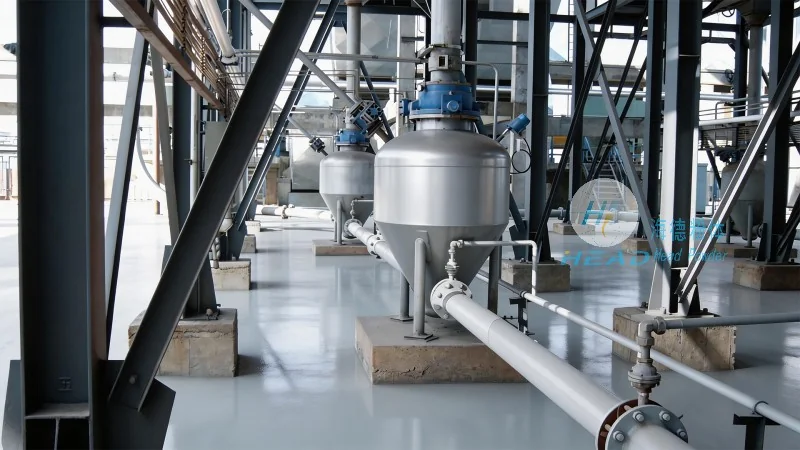
The operation of dry ash conveying systems is based on several key principles that govern the movement of powdery materials. These systems typically utilize pneumatic or mechanical methods to transport dry ash, each with distinct advantages and applications. Pneumatic conveying, for instance, relies on air pressure to move materials through pipelines, while mechanical systems such as screw conveyors or belt conveyors use physical force to transport the material. The choice of system depends on factors like material properties, distance, and required throughput.
Working Scene Characteristics and Application Scenarios
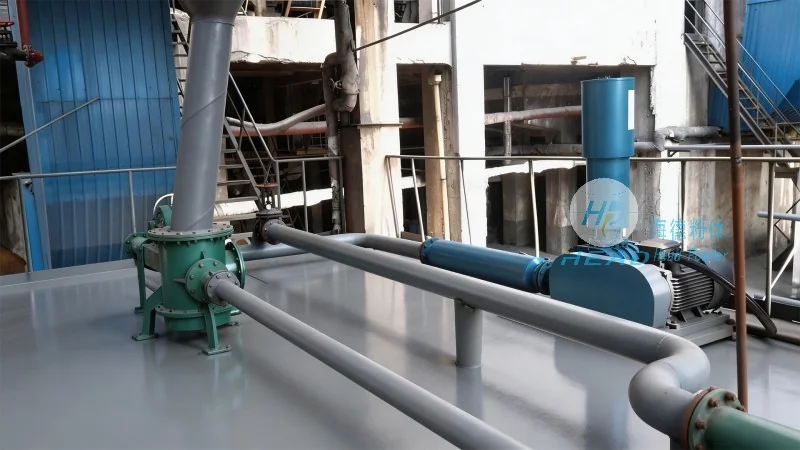
Dry ash material conveying systems are employed in diverse industrial settings, each presenting unique challenges and requirements. For example, in power plants, these systems are critical for transporting fly ash from boilers to storage or disposal sites. The working environment in such settings often involves high temperatures, abrasive materials, and the need for dust control measures. Similarly, in cement plants, dry ash is used as a raw material or additive, requiring precise control over the conveying process to maintain product quality.
Key Features and Technical Considerations
Effective dry ash conveying systems incorporate several key features to ensure optimal performance. These include robust material handling components such as high-capacity blowers or motors, durable pipelines and ducts designed to withstand abrasive materials, and advanced control systems for precise flow regulation. Additionally, considerations like material moisture content, particle size distribution, and air pressure requirements are critical in designing a system that meets specific operational needs. The integration of these elements ensures that dry ash is conveyed efficiently and safely, minimizing downtime and maintenance costs.
Company Profile: Shandong HeadPowder Engineering Co., Ltd.
HeadPowder, a leading provider of industrial material handling solutions, specializes in the design, manufacturing, and implementation of dry ash conveying systems. With a strong presence in China, particularly in Shandong, the company leverages its expertise to deliver customized solutions tailored to the unique needs of its clients. The company’s commitment to quality and innovation has established it as a trusted partner in the industrial sector, offering reliable equipment and technical support for various material handling applications.
Conclusion
In conclusion, dry ash material conveying systems play a vital role in modern industrial operations, enabling the efficient and safe transport of powdery materials. By understanding the core principles and working scene characteristics, industries can select and implement the most appropriate conveying solutions. Companies like Shandong HeadPowder Engineering Co., Ltd. continue to advance this technology, providing robust and reliable systems that meet the evolving demands of industrial processes.




